

United Nations Human Rights
Global Impact Partner
United Nations Human Rights
Global Impact Partner
9 Years and Counting
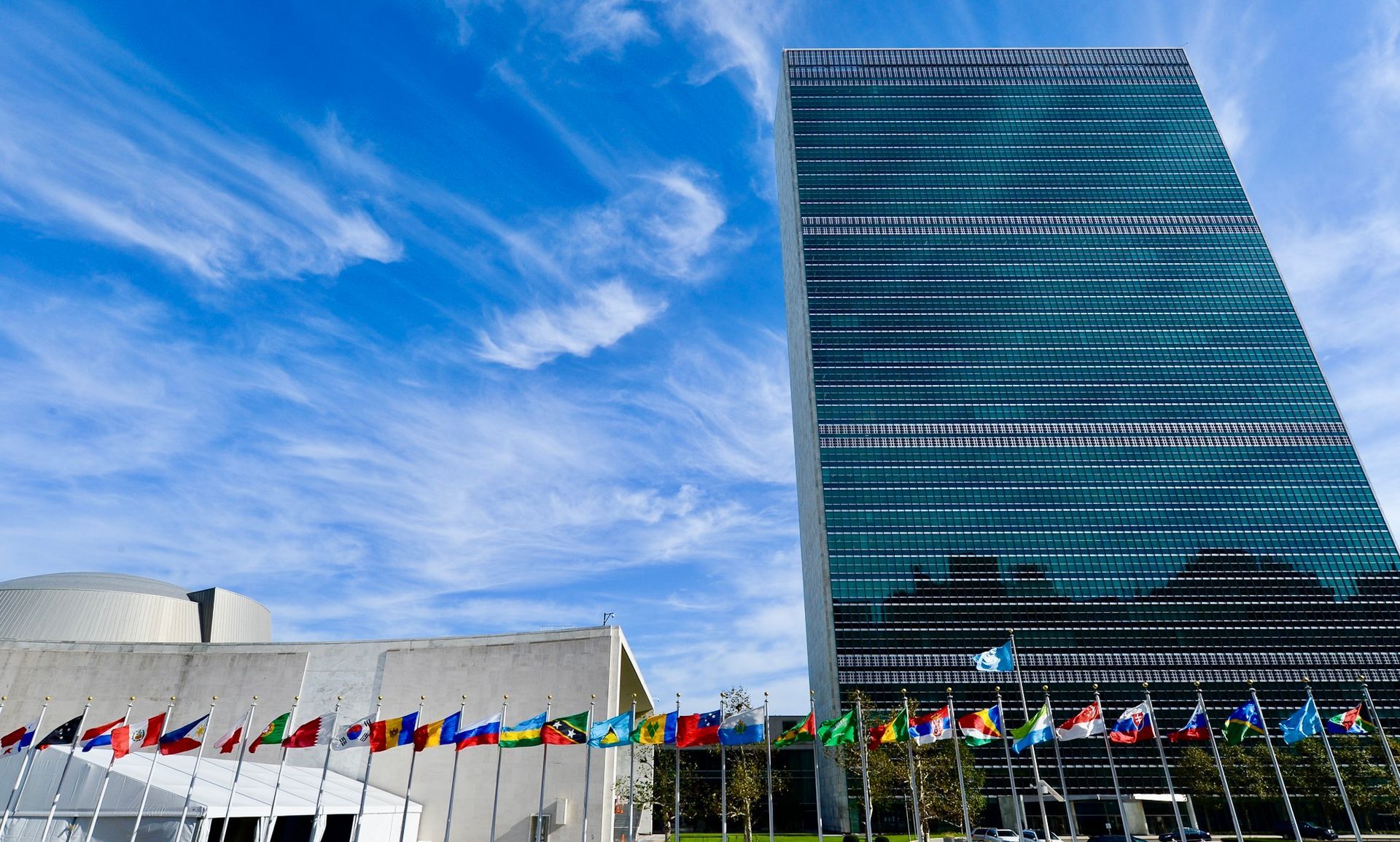
The Office of the United Nations High Commissioner for Human Rights (UN Human Rights) works to preserve and protect human rights across all 193 Member States. UN Human Rights has been the Global Impact Partner of Call for Code for nine years, and now stands with Call for Code AI from day one. This is not a validating partnership; it is a structural one. UN Human Rights helps shape how challenges are designed, how solutions are evaluated, and how winning teams move toward real-world deployment — embedding ethics and human rights principles into the AI built through Call for Code from the first line of code to the moment it reaches the field.
That discipline is not a constraint on adoption; it is what enables it. AI built to human rights standards aims to earn the trust of governments, NGOs, and global institutions faster than AI that is not — clearing the path for solutions emerging from Call for Code AI to move through pilots, partnerships, and scaled deployments that most developer initiatives never reach.
It is also what gives Call for Code AI something rare: a structured pathway into the UN system. Through UN Human Rights, developers, founders, and emerging startups can be routed to any sister UN agency where their work fits the mission — moving from prototype to pilot to global deployment alongside the institutions built to serve humanity.
And when teams win, they don't just win a prize; they win a stage. UN Human Rights stands ready to amplify Call for Code AI's top teams and startup winners to its global audience, reaching millions — a launch mechanism that accelerates adoption, partnerships, and credibility in a way that capital alone cannot buy.
This is what it means for AI to serve people, not the other way around. It is why Call for Code AI does not end at a competition — it is built to continue, through UN Human Rights, to the agencies, governments, and communities where the work actually matters.


