


TEND, Sentinel AI and TRACE, were developed following a global July 30 call by the Office of the United Nations High Commissioner for Human Rights.
UN Human Rights and Call for Code AI Announce the Winners of Call for Code AI: United Against Trafficking A century ago the world promised to end slavery. Nearly fifty million people are still waiting. On the UN World Day Against Trafficking in Persons, three AI solutions — built to disrupt recruitment, speed identification, and help survivors reach justice — are honored.
On the 100th Anniversary of the 1926 Slavery Convention, Call for Code AI and United Nations Human Rights Mobilize the World's Developers Against Human Trafficking Austin AI Hub to lead the global challenge, launching alongside one of the largest international sporting events in modern history and culminating on the United Nations World Day Against Trafficking in Persons.
Call for Code, the global developer initiative founded in 2018 by social impact entrepreneur David Clark, today announced the launch of Call for Code AI — expanding its mission into the era of AI-native systems and responsible, real-world AI deployment.
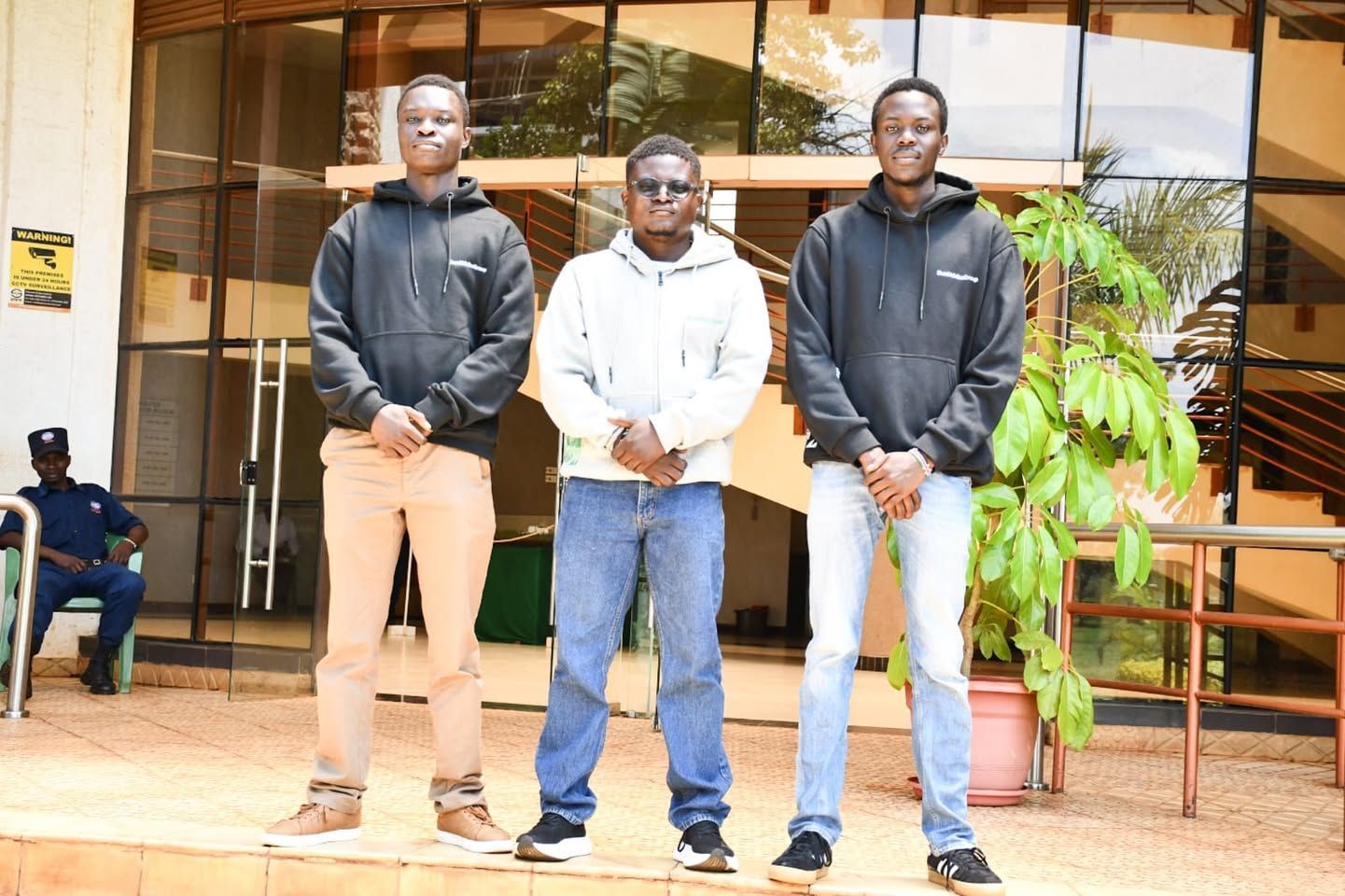
Winning teams from multiple universities in Kenya, SBA Info Solutions, and Unisys developed AI-powered solutions to address social and humanitarian issues to make a real difference
In its eighth year, Call for Code presents a series of SDG-focused hackathons throughout the year, kicking off with a competition to build AI agents
Boulder, Colorado, USA , 6th March 2025 – Call for Code Creator David Clark Cause, Founding Partner IBM (NYSE: IBM), Global Impact Partner United Nations Human Rights, and Program Affiliate the Linux Foundation call on developers and problem solvers to join the 2025 Call for Code program to develop projects and solutions that employ AI to assist in solving United Nations Sustainable Development Goals (SDGs). Launched in 2018, this initiative unites developers from across the world to develop creative solutions with technology. For this year, the emphasis is on employing Artificial Intelligence (AI) to address challenges such as clean water, climate change, and others. Call for Code is a worldwide tech initiative that invites developers to leverage their talents for the better. It’s endorsed by well-known bigwigs such as IBM and the United Nations Human Rights. The idea is simple: apply technology to make the world a better place. This year, there are five large events referred to as hackathons where groups of developers will get together to address various issues. Each event targets one of the United Nations Sustainable Development Goals (SDGs), such as clean water or climate action. The first event runs from March 20 to March 31. It’s all about developing AI solutions to address clean water problems, which is particularly relevant around UN World Water Day on March 22. Developers have access to world-class AI tools from IBM at no cost. They can develop new skills, connect with others who share their interests, and develop solutions that actually have impact. And, there are awards! The top team at every event takes home $5,000 and gets to visit a major tech conference in Orlando. The top teams even have the chance to vie for an additional $50,000 grand prize later in the year. Technology can be a force for good when applied in the right way. United Nations Human Rights has been backing Call for Code from the start since it is a strong believer in harnessing technology to improve human lives. This movement proves that with the right attitude and capabilities, we are capable of addressing some of the most challenging issues in the world. If you’re interested, you can sign up for the first hackathon prior to March 18. It’s for anyone who would like to contribute, whether you’re a student or a working professional. So, if you’re passionate about coding and wish to apply your skills to give back to society, this is an excellent way to get started and make a tangible difference. In general, Call for Code is all about applying technology to create a better world. It’s an opportunity for developers to collaborate, learn from one another, and develop solutions that can impact communities globally. With the backing of organizations such as IBM and the United Nations, this project has the potential to drive actual change. Whether you are an experienced developer or just beginning, becoming a member of Call for Code can be a great way to leverage your skills for a good cause.
The 2025 Call for Code program kicks off with AI-focused hackathons, empowering developers to create solutions for humanitarian challenges using IBM’s watsonx AI and cloud technologies.
“Unprecedented advances in digital technology, including generative artificial intelligence, offer us previously unimaginable opportunities to move forward on the enjoyment of human rights and contribute to rescuing the 2030 Agenda,” UN Human Rights Chief Volker Türk said in his vision statement, “Human Rights: A Path for Solutions.” As AI continues to evolve and impact all areas of society and our daily lives, UN Human Rights is collaborating with countries, companies, and civil society to embed a rights-based approach to technological innovation. This means ensuring its use considers human rights implications and impact, and that effective guardrails to prevent rights abuses are in place, in line with the UN Guiding Principles on Business and Human Rights . It also means supporting initiatives that pilot and use AI to solve real world challenges that put humans at the center. For instance, AI-powered technology projects that address inequality in schools, improve learning tools for underserved students, and recycle clothing waste to help local communities boost their income. These are actual examples of AI for Good work emerging from a global project backed by UN Human Rights. Launched in 2018, Call for Code is an initiative driven by the David Clark Cause, founding partner IBM, affiliate partner Linux Foundation, and UN Human Rights to mobilize tech developers from around the world to find human rights-based solutions to today’s most pressing challenges. Now entering its 8th year, Call for Code has emerged as the largest Tech for Good initiative of its kind. “When new technologies such as AI are grounded in human rights, they can be a force for good to help drive sustainable development and promote human-centred tech, benefitting everyone,” said Anwar Mahfoudh, who heads the Innovation and Analytics Hub at UN Human Rights. The 2024 winners of the Call for Code challenge included teams that used AI technologies and open-source AI models for different projects that promote equality, dignity, and fairness. GoBang, a group of students from Georgia Institute of Technology and University of Michigan, USA, developed an AI dashboard for course planning in underfunded schools. KindThreads created an AI-powered platform to categorize used clothes and provide data-driven recommendations on how they can be recycled. T-Chai developed an AI-powered homework tutor that provides learning resources for underserved families. “This year's impressive winners used AI-powered technologies to address community challenges that tackle big SDG and human rights-related problems. Their remarkable solutions not only inspire hope but also reaffirm our shared commitment to leaving no one behind in the fight for justice and equality,” added Mahfoudh. UN Human Rights provides expertise and guidance on adopting a human rights-based approach to the development and deployment of technologies, including AI. In June 2024, UN Human Rights established its Innovation and Analytics Hub to help address pressing human rights challenges and advance the 2030 Agenda by leveraging digital transformation, data and analytics, and innovation to create sustainable solutions that enhance the promotion and protection of human rights.
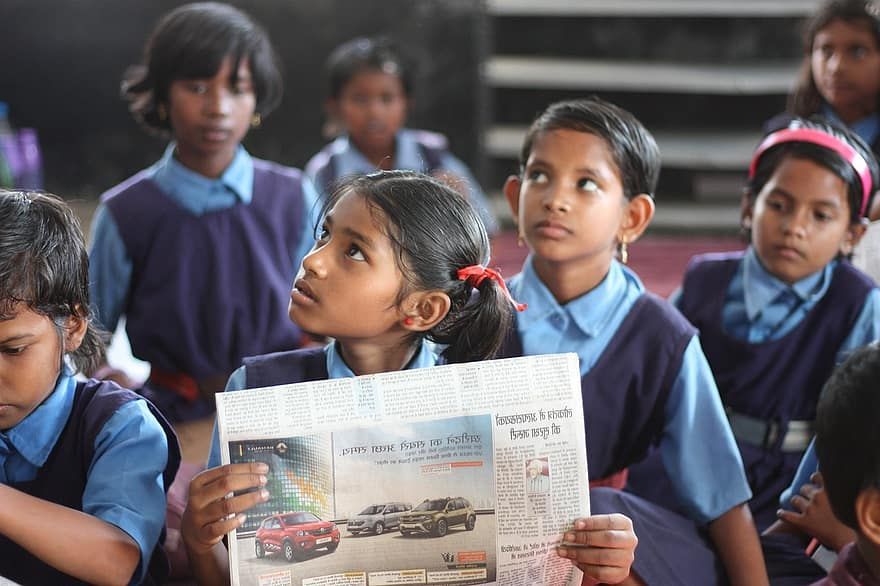
Winning teams from Georgia Institute of Technology, University of Michigan, Persistent, and independent consultants developed AI-powered solutions to help improve equitable access to essential resources and opportunities
pplications are now open for the 2024 IBM Call for Code Global Challenge. Be a part of a new era in responsible AI. Use your skills to improve equitable access to essential resources and opportunities for all people. You could win prizes and help show the world that AI can be trusted and used responsibly. Started in 2018, Call for Code is the largest tech-for-good initiative of its kind. We invite developers and problem-solvers from universities, startups, and enterprises around the world to build and contribute to innovative technology solutions that address social and humanitarian issues, while ensuring top solutions are deployed to make a real difference. Help show the world that AI can be trusted and used responsibly. How can generative AI technology improve equitable access to essential resources and opportunities for all people? Requirements IBM is calling all university students, developers, and problem solvers to join Call for Code. From the annual Global Challenge to additional events throughout the year, as well as ongoing open source projects, there are many ways to get involved. Participate in the ways that are right for you and build skills while making meaningful change. There are many ways you can build a great team, but the most successful teams often bring together diverse skill sets to design unique and impactful solutions. Consider problem-solvers with varied experience when assembling your team. Prizes Teams of 1-5 people can compete for the following prizes: Grand prize winners Grand prize $50,000 USD Option for solution implementation support from the Call for Code ecosystem Opportunity for open source support from The Linux Foundation First runner-up $25,000 USD Opportunity for open source support from The Linux Foundation Second runner-up $10,000 USD Opportunity for open source support from The Linux Foundation University grant $30,000 USD total to the top scoring university team’s school(s) Any university students in the top 3 winning teams are also eligible for: Exploration of IBM job opportunities Option to be matched with an IBM mentor In addition to prizes, participants can grow their AI, cloud, and other emerging tech skills through access to expert technical mentors, training resources, and events. Judging criteria Each submission will be scored based on the following criteria with a minimum score of 0 and maximum score of 20 points, with the final score being the average of the judges’ scores. Completeness and transferability (5 points) Effectiveness and efficiency (5 points) Design and usability (5 points) Creativity and innovation (5 points) For More Information: Visit the Official Webpage of the IBM Call for Code Global Challenge
Now in its seventh year, Call for Code challenges developers and university students worldwide to build AI-powered solutions to help historically underserved and vulnerable people access essential needs

BOULDER, Colo., December 18, 2023 /3BL/ - New AI-powered technologies related to agriculture issues ranging from contaminated soil and crop management to food waste were selected as winners of the sixth annual Call for Code contest. The Grand Prize-winning teams will each receive $50,000 USD, as well as solution implementation support from the Call for Code ecosystem, including founding partner IBM and Arrow Electronics. The developer and university winners will receive assistance from the Linux Foundation to open source their application. The 2023 winners include: The Global Challenge Developer Winner is AGNO, a team from Hexaware Technologies who developed the FARMISTAR platform. The team aims to help small farmers stay up to date with weather forecasts and AI-driven crop management strategies. The 2023 Call for Code Global Challenge University Winner is Phyto , a group of students from University of Sydney. They built an AI-powered geospatial and weather analytics tool designed to help farmers rehabilitate contaminated soil naturally. The 2023 Call for Code Global Challenge Independent Software Vendor/Startup Winner is Synergy Squad, a team from Persistent who built Offshelf , a solution designed to help households reduce food waste. Through the platform, people will receive notifications before a product expires to notify them that a food item needs to be used by a specific date. Created by David Clark Cause, Call for Code has become an annual rally call for developers around the world to come together and think creatively about how to help solve the world’s largest problems with technology. Call for Code helps participants gain skills in AI and hybrid cloud technology by offering access to build with technology from supporters including IBM, Red Hat, and Arrow, as well as U.N. Human Rights. About Arrow Electronics: Arrow Electronics guides innovation forward for over 220,000 leading technology manufacturers and service providers. With 2022 sales of $37.1 billion, Arrow develops technology solutions that help improve business and daily life. Learn more at arrow.com . About Call for Code Developers have revolutionized the way people live and interact with virtually everyone and everything. Where most people see challenges, developers see possibilities. That's why David Clark, the CEO of David Clark Cause, created Call for Code in 2018, and launched it alongside Founding Partner IBM and Charitable Partner United Nations Human Rights. In 2022 Call for Code was selected as the preferred innovation platform for the Right Here, Right Now Global Climate Alliance, the largest public/private initiative in the world promoting climate justice.
Today, Call for Code Creator, David Clark Cause, Founding Partner IBM, Charitable Partner United Nations Human Rights, and Program Affiliate the Linux Foundation announced the winners of the sixth annual Call for Code Global Challenge.
The programme seeks, with partners IBM, the UN and the Linux Foundation, to encourage innovative solutions to some of the day's major environmental issues
The 2023 Call for Code Global Challenge, an annual initiative that encourages developers to create projects that combat climate change with AI-powered technology, officially kicked off this week.
Entering its sixth year, Call for Code introduces multiple challenges for global community of developers and students, and launches new initiative for startups and ISVs
The 2023 Call for Code program has been launched by Call for Code Creator, David Clark Cause , IBM, the United Nations Human Rights , and the Linux Foundation. This year, the program aims to challenge global developers, students, and startups to develop AI-powered technology projects that will address sustainability issues such as reducing pollution, improving resource management, and protecting biodiversity. The Call for Code Global Challenge was created in 2018 by David Clark, the CEO of David Clark Cause, alongside IBM and the United Nations Human Rights. In 2022, the challenge was selected as the preferred innovation platform for the Right Here, Right Now Global Climate Alliance , the largest global public/private initiative promoting climate justice. The 2023 Call for Code Global Challenge will differ from the previous year's format. This year, the challenge will transition from a single, annual global challenge to multiple "rounds" throughout the year, each with its own prizes and funding of up to $1.4 million. Solutions should address at least one sustainability issue, such as: Improve the ability to measure, analyze, or take decisive action on carbon emissions Address issues of water scarcity and quality Improve supply chain transparency and traceability to bring fast and accurate visibility to sustainability issues where they arise A full list of topics within the sustainability theme can be found on the Call for Code Developer Challenge website. The first round of the challenge will open on March 1 and run through April 7; interested teams can register here . The winners of each round will be eligible to win a grand prize at the end of the year, which will include open source support from the Linux Foundation. The Call for Code program helps participants gain skills in technology such as AI and Cloud by using open-source-powered software such as Red Hat OpenShift, IBM Cloud, and IBM’s embeddable AI portfolio, including IBM Watson Assistant. The Call for Code for Startups program is a new initiative that aims to connect startups, independent software vendors (ISVs), and venture capitalists (VCs) with select enterprises around new business opportunities. Participating startups and ISVs will create solutions using IBM AI technology that address a specific sustainability need chosen by each enterprise. The 2023 Call for Code program is an opportunity for developers, students, and startups to use their skills to help solve some of the world's most pressing problems. The new format of the challenge, which includes multiple rounds and prizes, will empower even more developers to make an impact using open-source AI technology. The Call for Code for Startups program is also a great opportunity for startups and ISVs to connect with enterprises and create solutions that address specific sustainability needs.
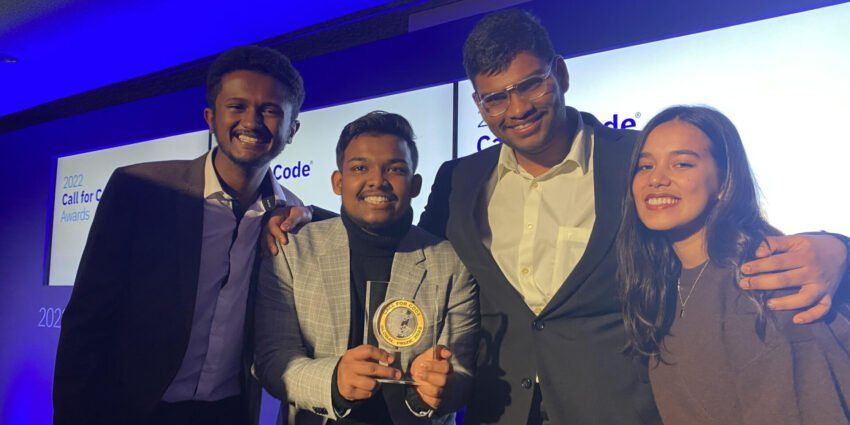
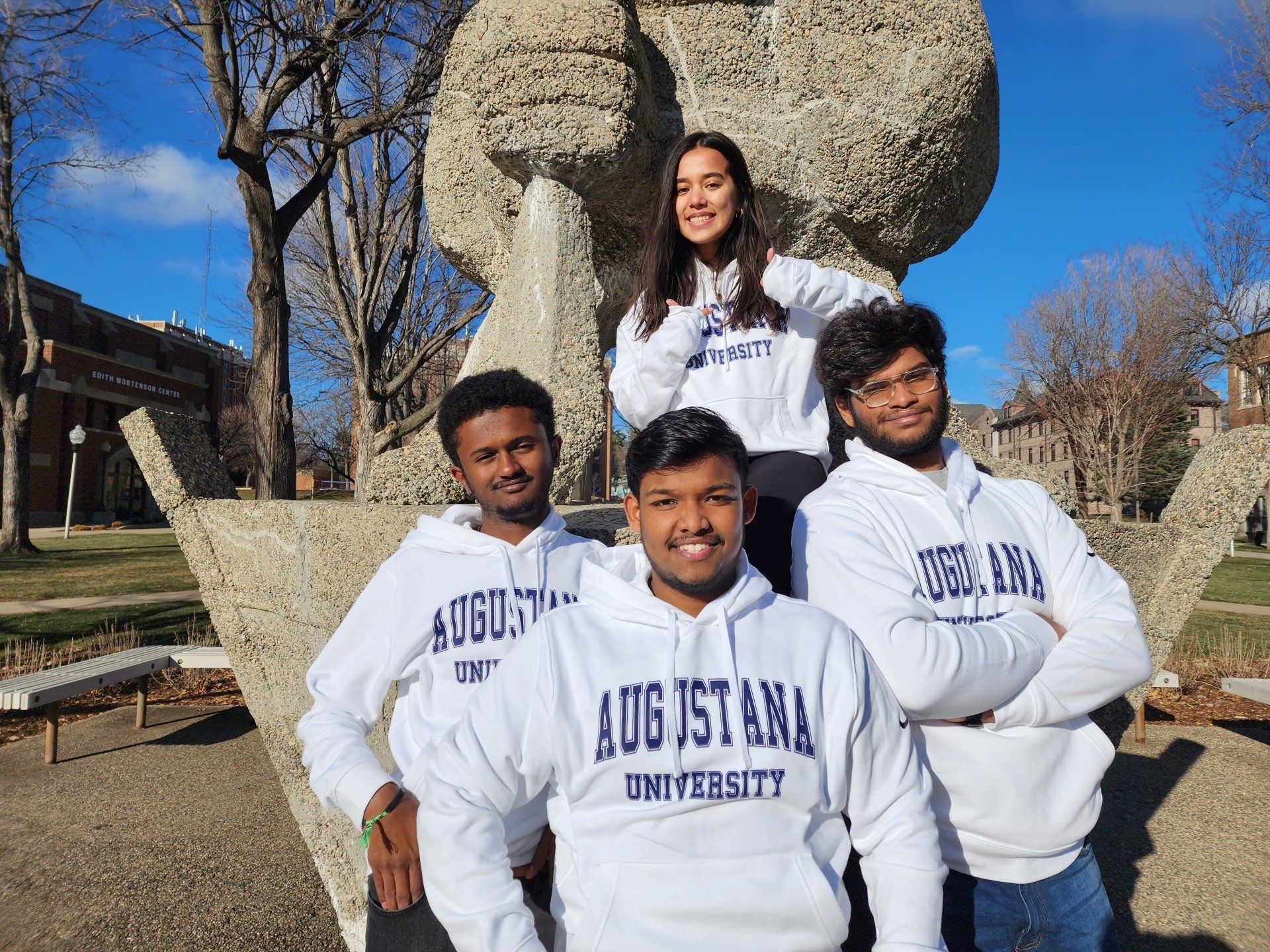
A team of four Augustana University students has been named the grand prize winner in a global coding competition.
Call for Code founding partner IBM (NYSE: IBM), creator, David Clark Cause, charitable partner United Nations Human Rights, and program affiliate, the Linux Foundation announced the winner of the fifth annual Call for Code Global Challenge
Organizers of the fifth annual Call for Code Global Challenge have launched their annual invitation to software developers from around the world to create open-source solutions that accelerate sustainability and combat climate change.
Organizers of the fifth annual Call for Code Global Challenge have launched their annual invitation to software developers from around the world to create open-source solutions that accelerate sustainability and combat climate change. Given the growing animus toward so-called Big Tech in some quarters and what I think can fairly be described as generalized opposition to technological innovation, it’s never been more important to remind the world that tech can be an incredibly powerful force for good. The annual Call for Code has grown since the first challenge was announced to become one of the world’s largest “tech for good” programs. It now attracts developers from 180 countries responding to this clarion call to use advanced technologies to design cutting-edge open source-powered hybrid cloud and AI solutions that can tackle the world’s most pressing societal issues. There’s a refreshing idealism in this program. Call for Code participants are invited to identify the particular sustainability issue they want to solve, form a team, and start building by registering on the new Global Challenge resource site hosted by BeMyApp . Once they’ve registered, participants will be able to attend Challenge Accelerator events to help fast-track their projects, learn from subject matter experts, access exclusive skills-building materials, and use exclusive toolkits, APIs, and data sets from The Weather Company and participating IBM Ecosystem partners. But that idealism is undergirded by a pragmatic understanding that we need technology to address problems that are having a global impact. Ruth O. Davis, director of the Call for Code Challenge in IBM’s Worldwide Ecosystems group, put it succinctly in a press release, “Technology is the catalyst for scaling solutions to global problems,” she said, “from climate change to humanitarian issues, and even the global pandemic.” “Of course, the people who participate in the Challenge are idealists in some ways,” Davis told me in an interview. “They’re very passionate about what they’re doing and want what they’re doing to make a difference. But they also know they need resources to make that happen.” The awards to the winners of this year’s competition are commensurate with the stakes (you know, saving the world). The Grand Prize is $200,000 plus solution implementation support from IBM Ecosystem partners. First runner up gets $25,000, and third and fourth runners up get $10,000. It’s big money focused on solving big problems. But even those participants who don’t manage to nab the brass ring have access to some incredible resources while they develop their ideas. They get a trial IBM Cloud account for 2022 that provides access to many free services without a credit card, including the ability to create Kubernetes clusters. They have access to toolkits, APIs, and data sets from Call for Code sponsors. And there are expert webinars, skill-building plans, and even mentorsavailable. Among the most exciting components of this program are the Challenge Accelerator events. Each Accelerator is a roughly two-week competition designed to help fast-track participants’ projects towards submission to the Global Challenge. (Global Challenge submission is not required). Each participant builds a project to address a specific and targeted use case under the theme of “Sustainability.” Each Accelerator is different; some may include technical workshops, mentoring, and additional educational content. And participants may be eligible for additional prizes. College students will also have the opportunity to compete for the University Prize in a program created by IBM and the Clinton Global Initiative University . In 2021, more than 90,000 students across hundreds of universities around the world surpassed the program goal by nine times, the organizers said. David Clark, the CEO of David Clark Cause, is the original Call for Code organizer. He founded the program in 2018, and launched it with IBM, the United Nations Human Rights group, and the Linux Foundation. The list of organizations supporting Call for Code this year includes: Arrow Electronics , Clinton Foundation and Clinton Global Initiative University , Clemson University , Esri , EY , Ingram Micro , Intuit , the Linux Foundation , Morgan Stanley , New Relic , Persistent Systems , Teach For All , United Nations Human Rights , and United Nations Office for Disaster Risk Reduction , among others. It's worth noting, too, that Call for Code has been selected as the preferred innovation platform of the Right Here, Right Now Global Climate Alliance, one of the largest public/private climate partnerships in the world. Solutions can be submitted to this year’s event any time before the deadline of October 31, 2022. You don’t need to be on an existing team to participate. The organizers will be hosting a team building session to help participants form and build teams.
I am always amazed at the impact we all have coming together, using our collective talents for good. Combining our collective brain power, skills, time, and resources produces stellar results – maybe it is better rendering management for films that entertain with mind-bending CGIs or improving automated software testing and deployment so developers can spend more time on innovation . Human ingenuity is amazing! Imagine our impact when we come together for good. When we see communities who need a collective leg up in life, or when we see injustice and foresee ways to balance the scale, or when we see the devastation in the wake of natural disasters and know there is a better way. We want to make the lives of everyone better – it might seem daunting, but innovation is bred from not knowing what you can’t do. Facilitating this drive to help is what the Call for Code ® project is about. It is, “creating and deploying open source technologies to tackle some of the world’s greatest challenges.” It is about thinking beyond yourself – using your talents to help others. Call for Code was created by David Clark Cause with Founding Partner IBM and in partnership with United Nations Human Rights and The Linux Foundation . The goal is to inspire “developers to create practical, effective, and high-quality applications that can have an immediate and lasting impact on humanitarian issues as sustainable open source projects.” The Linux Foundation helps take the raw innovation and put in place the right tools to enable an impact across the world: instill best practices, engage external partners, provide feedback, and test them in the real world. Call For Code 2022 The Call for Code 2022 is now open for registration. The focus this year is on sustainability. Do you have an idea to improve sustainable production, consumption, and management of resources, reduce pollution creation, and protect biodiversity? Keep reading. You don’t have a world-changing idea. Keep reading – you just might light a spark of ingenuity. For this year, specifically, your solution should address: carbon emissions; clean energy; supply chain transparency and traceability; water scarcity and quality; reducing waste footprints; biodiversity; food insecurity; and education access and job opportunities to further environmental justice. And, no, this isn’t just for software developers. Each well-rounded team needs builders, designers, communicators, and humanitarians. There is a total of $285,000 in prizes, all winners will receive open source support from The Linux Foundation, and all participants will receive a variety of support, such as IBM Cloud services, accelerators, expert webinars, mentors, and more. Registration opened April 26, 2022 and final submissions are due October 31, 2022. Visit callforcode.org for detailed information and requirements and to register. Call For Code 2021 Winners Do you still need some inspiration? Take a few minutes to read about the 2021 winners. Half of the projects focus on racial justice – and those are the ones I want to take a moment to highlight. If you see one that inspires you, click through to learn more and for ways you can contribute: Fair Change allows people to easily record public safety incidents in a safe and secure way with a goal of more transparency, reeducation, and reform. TakeTwo utilizes machine learning to highlight potentially racially insensitive language on websites you are browsing in Chrome. Legit-Info provides information on policy proposals at various levels of government. It communicates the potential impact without legalese and facilities sharing opinions with policy makers. It also gives policy makers visibility into how diverse citizens will be impacted. Open Sentencing helps public defenders understand and document any racial disparities in the judicial system. Five Fifths Voter helps remove impediments to voting by providing information on voter registration, voter ID laws, restrictions, purging, gerrymandering, and tools that make it easier to vote, such as childcare at the voting stations. Incident Accuracy Reporting System enables victims and witnesses to contribute to incident reports to help give law enforcement and the public a 360-degree view of events that took place at any incident. It utilize Hyperledger blockchain to ensure transparency, trust, and that information can’t be altered. Truth Loop is a mobile-friendly tool to see pending legislation, learn about it, record your own story related to the legislation and its impact, and share that with policy makers. Call for Code also has seven other projects related to natural disasters and stemming the impact of climate change, including monitoring the real-time air health for wildland firefighters, democratizing earthquake monitoring, inspecting buildings, facilitating drone canvassing and delivery of supplies following a natural disaster, and helping farmers optimize water use. Finally – they have a project, Rend-o-Matic , that enables musicians to remotely record their individual track in a composition and stitches them all together into the final, virtual performance. Join A Call For Code Project Let’s show the world the impossible is possible. Call for Code is making a difference! Are you experiencing some FOMO? Want to join in? Good news – fear no more. You can! And you don’t even have to be a technical person. Besides the need for a wide range of technical specialists, the projects can also utilize individuals for documentation, testing, design, UI/UX, legal, subject matter experts, advocacy, and community building. Just head over to our Call for Code page and help work on these projects. Let’s show the world the impossible is possible.
David Clark Cause, IBM, United Nations Human Rights, and the Linux Foundation today officially launched the 2022 Call For Code.

David Clark Cause, IBM, United Nations Human Rights, the Linux Foundation and more to support Call for Code developers from 180 nations with open source-powered hybrid cloud and AI solutions
This year’s Call for Code hackathon will focus on climate change and rally developers to come up with innovative solutions to one of humanity’s biggest challenges. Call for Code was created by David Clark Cause in partnership with IBM . Other major partners include the UN Human Rights Office and the Linux Foundation . “Technology is the catalyst for scaling solutions to global problems – from climate change to humanitarian issues, and even the global pandemic,” said Ruth Davis, Director of Call for Code at IBM. “IBM along with Call for Code and these ecosystem partners are dedicated to taking on the complex challenge of sustainability and encourage problem-solvers around the world to take part.” Additional organisations supporting this year’s event include Arrow Electronics , Clinton Foundation and Clinton Global Initiative University , Clemson University , Esri , EY , Ingram Micro , Intuit , Morgan Stanley , New Relic , Persistent Systems , Teach For All , UN Office for Disaster Risk Reduction , and many others. The hackathon is now in its fifth year and has created a community of more than half a million developers, students, and problem-solvers across 180 nations. Participants can use some of the world’s most powerful tools to solve some of its biggest problems including Red Hat OpenShift , IBM Cloud , IBM Watson , IBM LinuxOne Community Cloud from IBM zSystems and IBM Blockchain , as well as APIs from IBM’s The Weather Company . This year’s event has been selected as the innovation platform for the ‘ Right Here, Right Now Global Climate Alliance ’—designed to be one of the largest public-private climate partnerships in the world. The alliance is keen to frame climate change as much as a human rights crisis as an environmental catastrophe. “From rising sea levels, extreme weather events, wildfires, and droughts, to food insecurity, health impacts, mass migrations, and increasing global conflict, there is no denying that climate change is a humanitarian crisis,” said Bill Stark, Chief Impact Officer of the Right Here, Right Now Global Climate Alliance. “With its global reach and history of success over the years, we’re excited to work with Call for Code, as it has proven to be the gold standard when it comes to engaging developers around the world to innovate for social good.” Any budding participant should begin thinking about what particular sustainability challenge they want to tackle. After building a team, they can register here and get to work on creating their solution to improve the Earth’s long-term prognosis. The Grand Prize winner of this year’s event will receive $200,000 along with solution implementation support from IBM Ecosystem partners. “As the Global Challenge opens today, we’re excited to utilise our expansive platform to help people in need by calling on developers worldwide to innovate software that can mitigate and reverse the effects of climate change through sustainable solutions,” said David Clark, CEO of David Clark Cause and Creator of Call for Code. Call for Code kicks off today (26 April 2022) and the deadline for submissions is 31 October 2022.
The 2022 Call for Code Global Challenge is officially underway.
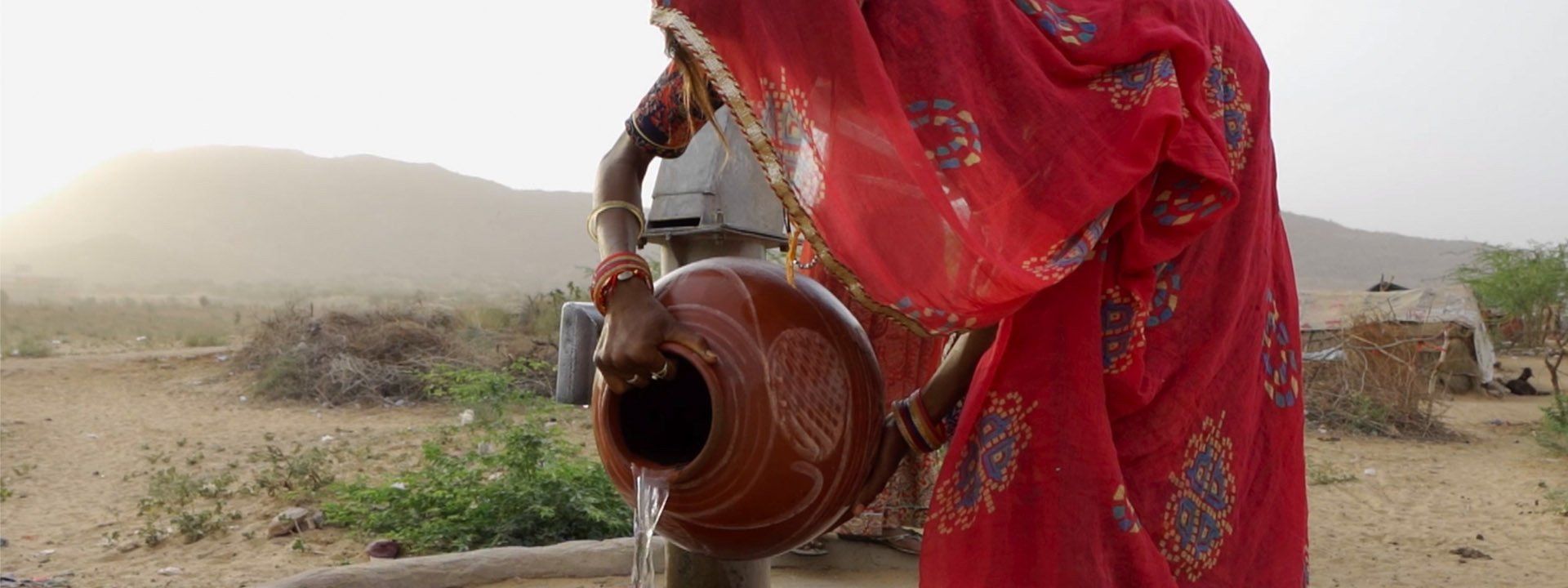
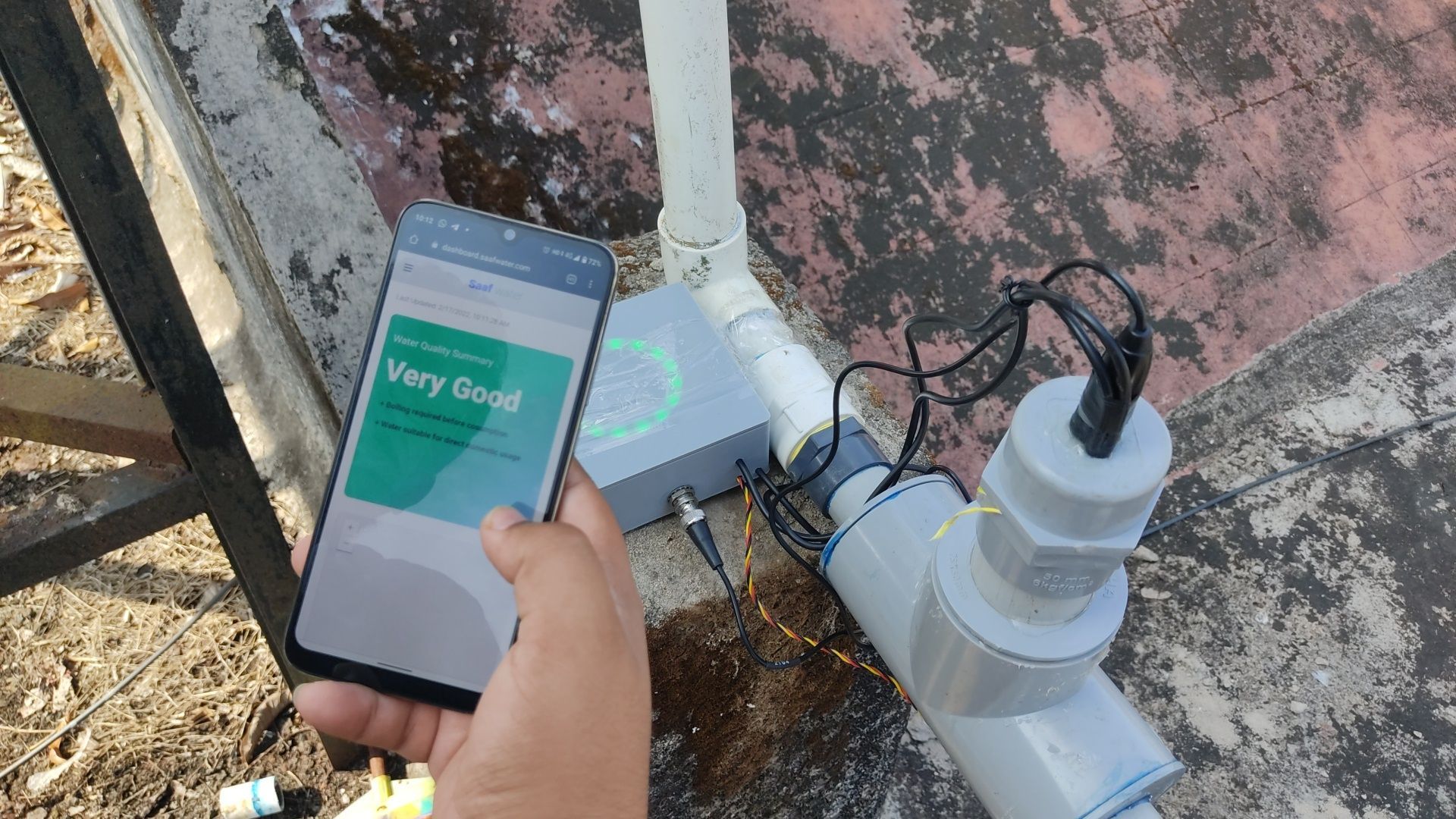
Created to combat water quality-related deaths, the Saaf Water sensor and analytics platform for rural localities wins 2021 Call for Code Global Challenge
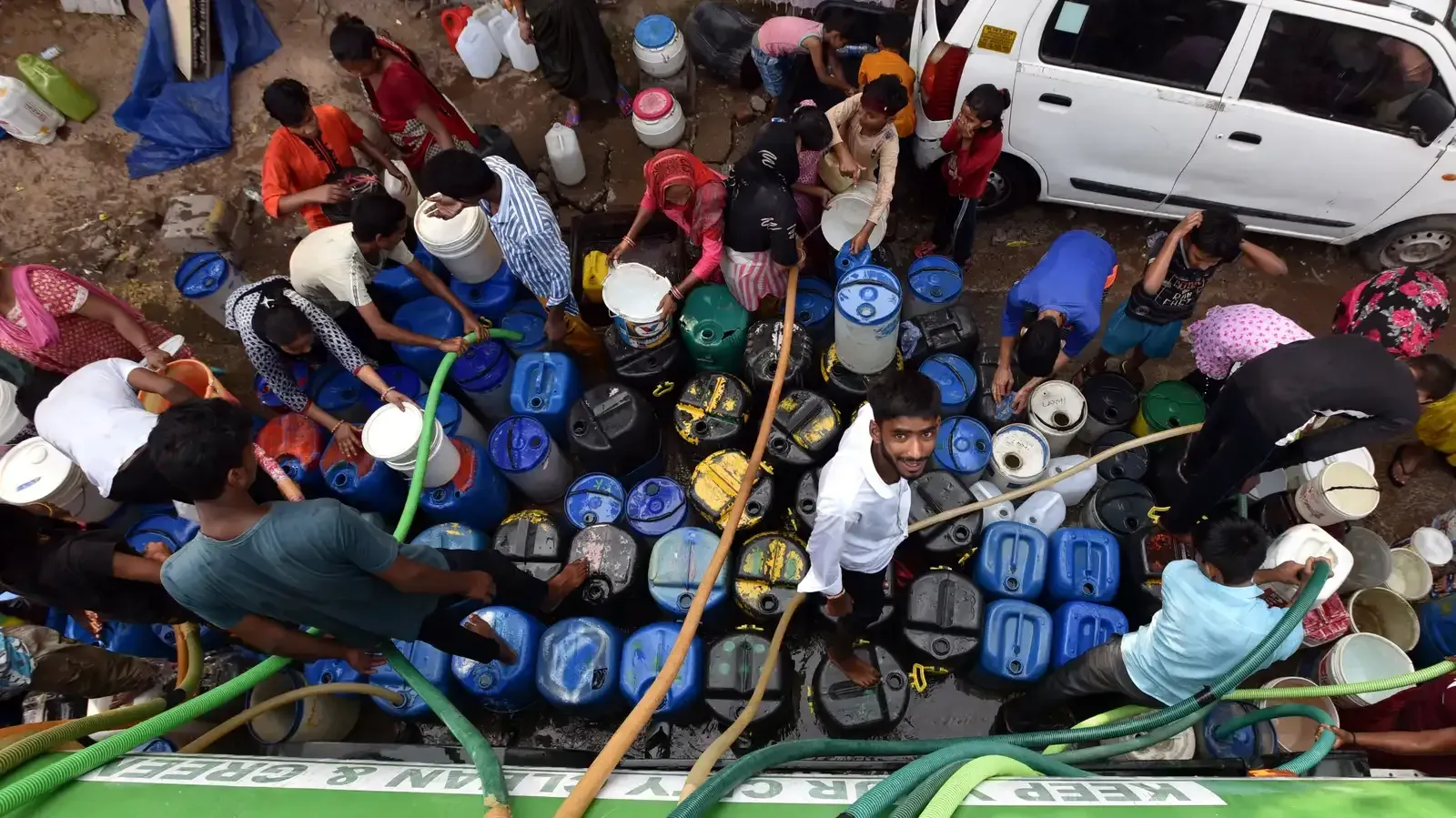
Winners of the 2021 Call for Code Global Challenge were announced Tuesday night in New York.
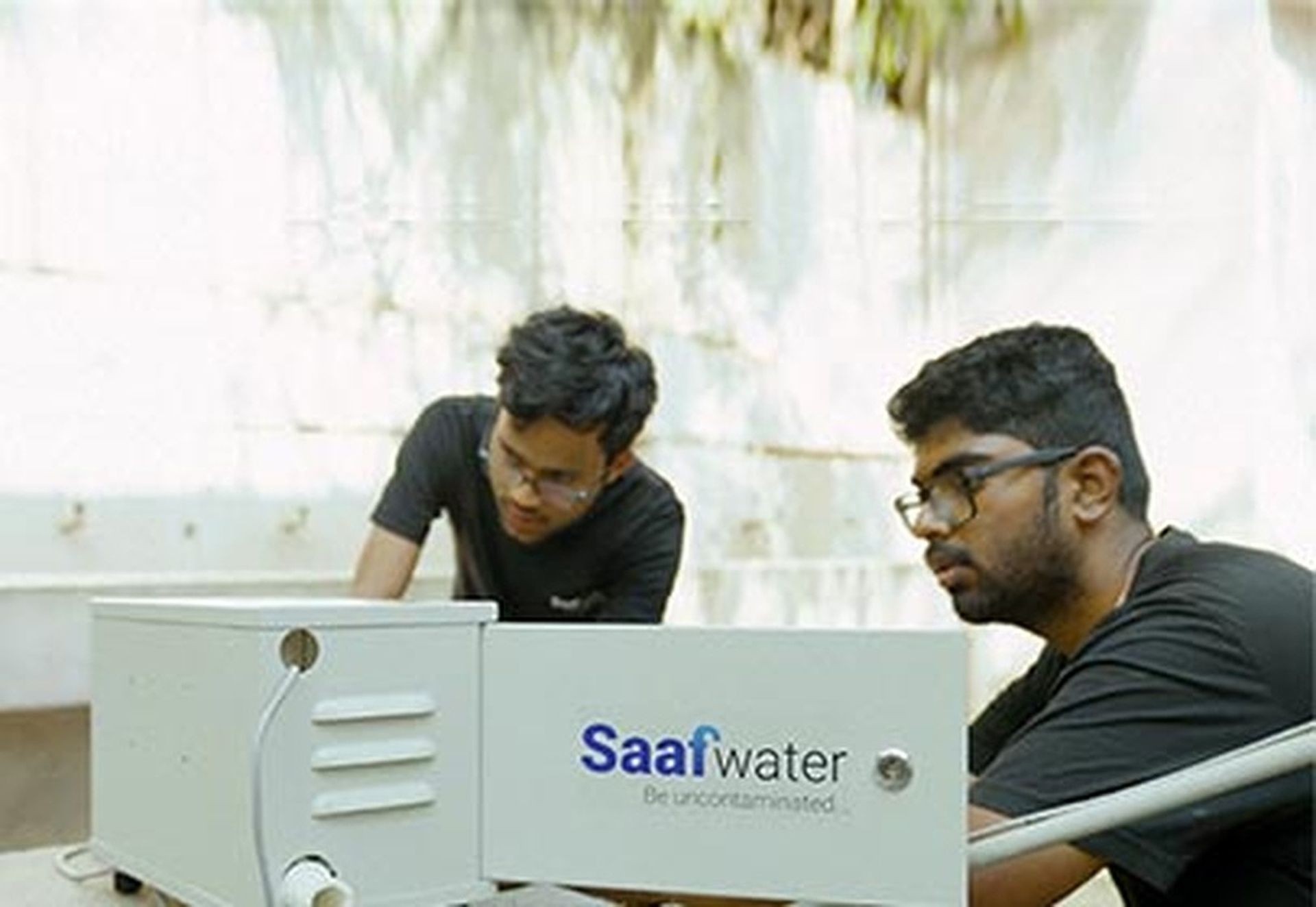
IBM and David Clark Cause just announced Saaf Water as this year’s 2021 grand prize winner!
Samsung and IBM continue to build upon long-standing strategic partnership with challenge for developers using Samsung and IBM technology

The global impact of climate change and the need for drastic action become clearer every day. The far-reaching and devastating effects of climate change are in front of everybody’s eyes. The most pressing global issues of our time can be addressed by deploying new ideas in combination with good old-fashioned competence. Everybody can make a difference, but for developers there’s a special challenge – a chance to prove themselves at a global level while building and enriching skills. IBM has been part of the Call for Code Global Challenge for a long time–2021 marks the fourth year of their support for the initiative. Many of the changes that make the most difference will be found in the form of ideas coded in software. “Real code helping real people” is one of the key mottos used to promote this approach. Call for Code actively supports the best solutions to bring technology to communities in need, in partnership with the Linux Foundation and the United Nations. The Call for Code community includes over 400,000 developers, data scientists, and problem solvers from 179 nations. Contributors from around the world have created more than 15,000 apps for humanitarian issues. The most challenging scenarios for the Earth and her people are laid out in the list of seventeen Sustainable Development Goals compiled by the United Nations. The IBM Call for Code Global Challenge 2021 and its three tracks ( Zero-Hunger , Clean Water , and Production ) is described in this article . A full year of competition The Call for Code schedule is a full year of dates and events that allow ingenious developers and creative minds to expand their scope to the global level. CFC 2021 Key Dates in 2021 include the Challenge opening on March 22nd, World Water Day. Submissions Close on July 31st, and Finalists are announced on October 5th. The final official step, the announcement of the Winner, will take place on November 16th at the Global Award Celebration. Judges The European finalists will be judged by a European team of judges , including: Prof. Tuula Tuhkanen, University of Jyvaskylä, Department of Biology and Environment Science; Marc Peters, Distinguished Engineer and CTO Energy, Environment & Utilities Europe, IBM; James Robey, Global Head of Environmental Sustainability, Capgemini; and Timo Wielink, Head of Product Development Project OWL, a previous winner. Timo’s experience provides the best possible testimonial to the step-up that the IBM Global Challenge can offer to ingenious minds. The inspiring story behind his prize-winning ‘Project Owl’ can be read in a previous article . Bente’s Heroes, a Regional winner Call for Code’s Regional Winner Europe is TheHeroLoop , a responsive Web3.0 web app that uses AI to match volunteers – called Heroes, with citizens in need – called Loopers. Everyone can be a hero, and every “looper” can create a hero by repeating requests for help. Citizens anonymously login, using a Hiro wallet, and are rewarded in various ways for doing good deeds. The app is a place to be matched with others with the same interests—somewhere you can contribute to your community’s health and well-being, and help our world reach the UN’s SDG goals for 2030. The team received $10K and solution deployment support from IBM Dev Advocates to make their solution available to everyone. Bente Acking, Founder of The Hero Loop, helps to clarify what the Call For Code Global Challenge means in practice. “If you have an idea, don’t let anything stop you!”, suggests Bente, demonstrating her strong commitment to success. “I had just won a hackathon on Covid and the use of AI, so I decided to join CFC”, Bente explains, confirming one of the scouting patterns that often leads to participation in the challenge. “I knew Slack very well from having worked with it for a long time”. Communication skills are essential to effective team building, a task that Bente has really mastered. “I was indeed surprised by the variety of people and skills I found this time. In particular, I was looking for two skills, one designer and one data scientist, and I found them in a short time”. The Hero Loop is about connecting volunteers around the world with local people in need, securely, and without tracking any personal data. A safe and secure encrypted blockchain authentication ensures privacy is protected, so everybody is anonymous in TheHeroLoop. TheHeroLoop matches individuals in need (Loopers) with volunteers (Heroes) based on their location within a 20 kilometer radius, and can be used worldwide. The app provides Loopers with the option to ask for a specific task to be done and allows them to specify a certain time. “We are inclusive”, the website proudly states; “if you don’t have Internet, or don’t like to use it, it’s possible to call a number with your button phone to get help within your zip-code area”. Bente had an idea but didn’t have the resources or expertise to build the app by herself, though she knew how to cope with this. Bente’s conclusion is that anyone with an idea that fits the competition theme can join the community and work with others to build a team, submit an entry, and continue developing the project. One important part of participating in world-class challenges is connecting with the organization—preparation of paperwork, submission preparation and all the other necessary steps. “It took time to submit, describing everything with the asked detail, but it was a great time. Jury member panel and all IBM people in general were amazing.” Inspiring stories from other participants are always moving. It seems like a sense of wonder catches hold of everyone who enters this Challenge. “I myself experienced a sense of wonder getting inside CFC”, the inventor of The Hero Loop tells us. “C4C is a totally different experience from any other hackathon-like event I have ever seen. People from Ghana, Congo, India… different areas, different mindsets: participating in C4C was like starting a trip. Everything is stretched out in CFC. We got to know each other.” That depth of knowing each other allows the community to grow fast. The Hero Loop grew based on more than thirty people spending their free time on the project. “I now raised money myself through taking on a consultant role to pay our people, totalling 100,000$”, confesses Bente, underlining what a determined developer can achieve. The final steps of The Hero Loop’s Project were always going to be the most important. The staff is giving the silverware its final polish, i.e., finishing the testing, in September. Three pilots have been discussed to start with: in the Swedish city of Helsingborg, in Nairobi, capital city of Kenya, and in New York City. “It’s all about helping people, allowing communities to grow, and making the world a better place.” Technically speaking, the team makes use of a wide range of the best pieces of open-source software available today. The key services used in their solution are: IBM Watson Tone Analyzer IBM Watson Personality Insights IBM Watson Assistant Red Hat OpenShift on IBM Cloud EventStreams on IBM Cloud OpenShift in particular is one of the most interesting technologies used in developing the Hero Loop solution.

With the backing of the Clinton Global Initiative, the partners are calling on the open-source community to help the Caribbean island implement economically friendly EEW systems.

Carole King, Rod Stewart, Melissa Etheridge, Sia, Kesha also join call for developers to create solutions to climate change issues
May 11, 2021 — Esri, the global leader in location intelligence, today announced it is joining the fourth annual Call for Code Global Challenge. Created by David Clark Cause and launched in partnership with IBM, United Nations Human Rights, and the Linux Foundation, Call for Code is designed to make an immediate and lasting global impact on humanitarian issues, using open-source-powered technology. In this year’s competition, software developers and innovators around the world will take on climate change with open-source software, including Red Hat OpenShift, IBM Cloud, IBM Watson, IBM Blockchain, and data from The Weather Company. Since Call for Code was launched in 2018, more than 400,000 developers and problem solvers across 179 nations have participated, creating more than 15,000 applications. This year’s competition focuses on three sub-themes related to combating climate change: water availability and consumption, food production and delivery, and economic production and consumption. The winning team will receive $200,000 and support from the IBM Service Corps, technical experts, and partners—to develop their technology, make their code available for anyone to use in open-source, and deploy their solution on the ground in communities around the world. For its role in the Call for Code Global Challenge, Esri has made its geospatial analytics software and resources available to each participant, including the following: A free ArcGIS Platform developer account. A $100 voucher applied to the participant’s ArcGIS account, allowing them to kick-start their solution with cloud hosting, analytical processing, and location services (This is available to the first 100 participants.) Access to dedicated community support where participants can connect with mentors that can help them accelerate app development. “Esri has just released a location platform as a service product that makes it easy for software developers to access geospatial technology,” said David Cardella, Product Manager—Developer Technologies, Esri. “Some of the most exciting ways users are putting our software to work is in creating apps that help meet challenges related to climate change. We are excited to introduce our flexible, scalable location services that make content and capabilities available to developers who are building the next generation of geospatial solutions.” “We are excited to work with Esri and our global ecosystem throughout the 2021 Call for Code Global Challenge to drive, incubate, and deploy solutions that will combat climate change,” said Willie M. Tejada, IBM Chief Developer Advocate and General Manager ISV/Build Ecosystem. “Climate change is a monumental challenge and demands the participation of world-renowned humanitarian experts, business leaders, and technology partners like Esri to have an immediate and lasting effect.” What makes Call for Code unique is the impact it is making on the ground through deployments in communities around the world. Last year’s winning solution, Agrolly, was designed to support small farmers by providing climate and crop predictions and recommendations. The agriculture industry is one of the most vulnerable to climate change due to its dependence on rainfall and temperature. Since October, the Agrolly team has expanded the solution to new markets and provided hands-on training to more than 500 rural farmers in Mongolia, India, and Brazil, who are testing and using the app to fight the effects of climate change. About Esri Esri, a global market leader in geographic information system (GIS) software, location intelligence, and mapping, helps customers unlock the full potential of data to improve operational and business results. Founded in 1969 in Redlands, California, USA, Esri software is deployed in more than 350,000 organizations globally and in over 200,000 institutions in the Americas, Asia and the Pacific, Europe, Africa, and the Middle East, including Fortune 500 companies, government agencies, nonprofits, and universities. Esri has regional offices, international distributors, and partners providing local support in over 100 countries on six continents. With its pioneering commitment to geospatial information technology, Esri engineers the most innovative solutions for digital transformation, the Internet of Things (IoT), and advanced analytics. Visit us at esri.com . About Call for Code Global Challenge Developers have revolutionized the way people live and interact with virtually everyone and everything. Where most people see challenges, developers see possibilities. That’s why David Clark, the CEO of David Clark Cause, created Call for Code in 2018, and launched it alongside Founding Partner IBM and Charitable Partner UN Human rights. Since then, Call for Code has scaled to include an annual University Challenge in addition to regional prizes and the creation of Call for Code for Racial Justice. This multi-year global initiative is a rallying cry to developers to use their mastery of the latest technologies to drive positive and long-lasting change across the world through code. Call for Code Global Challenge winning solutions are further developed, incubated, and deployed as sustainable open source projects to ensure they can drive positive change. To learn more about past winners and their progress, visit IBM Developer.
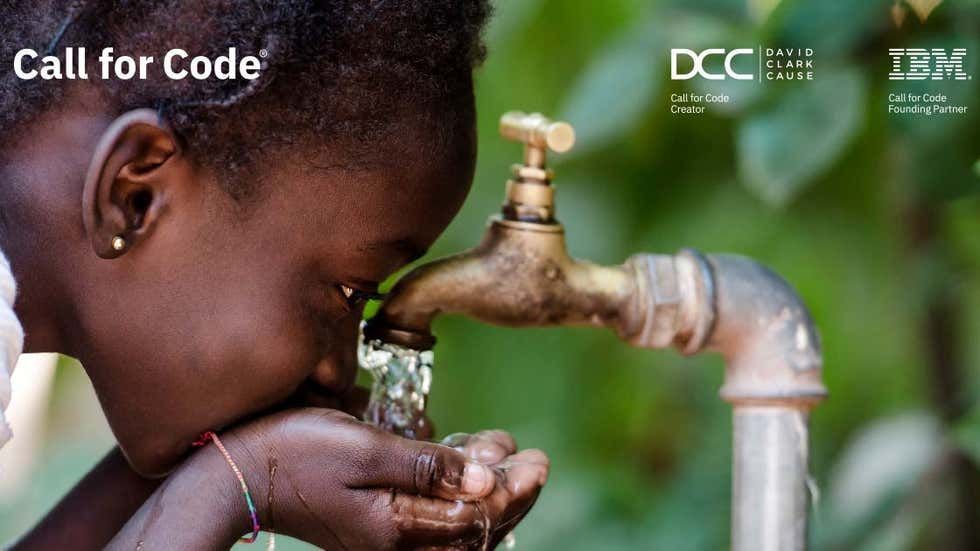
Together with Call for Code Creator David Clark Cause, Charitable Partner United Nations Human Rights, and the Linux Foundation, IBM today announced the launch of the 2021 Call for Code Global Challenge.

The tech company and “GMA” sponsor is creating a better world by using big ideas and breakthrough technology to improve lives.
The 2021 Call for Code Global Challenge, an initiative to combat climate change with open-source-powered technology, is officially underway.
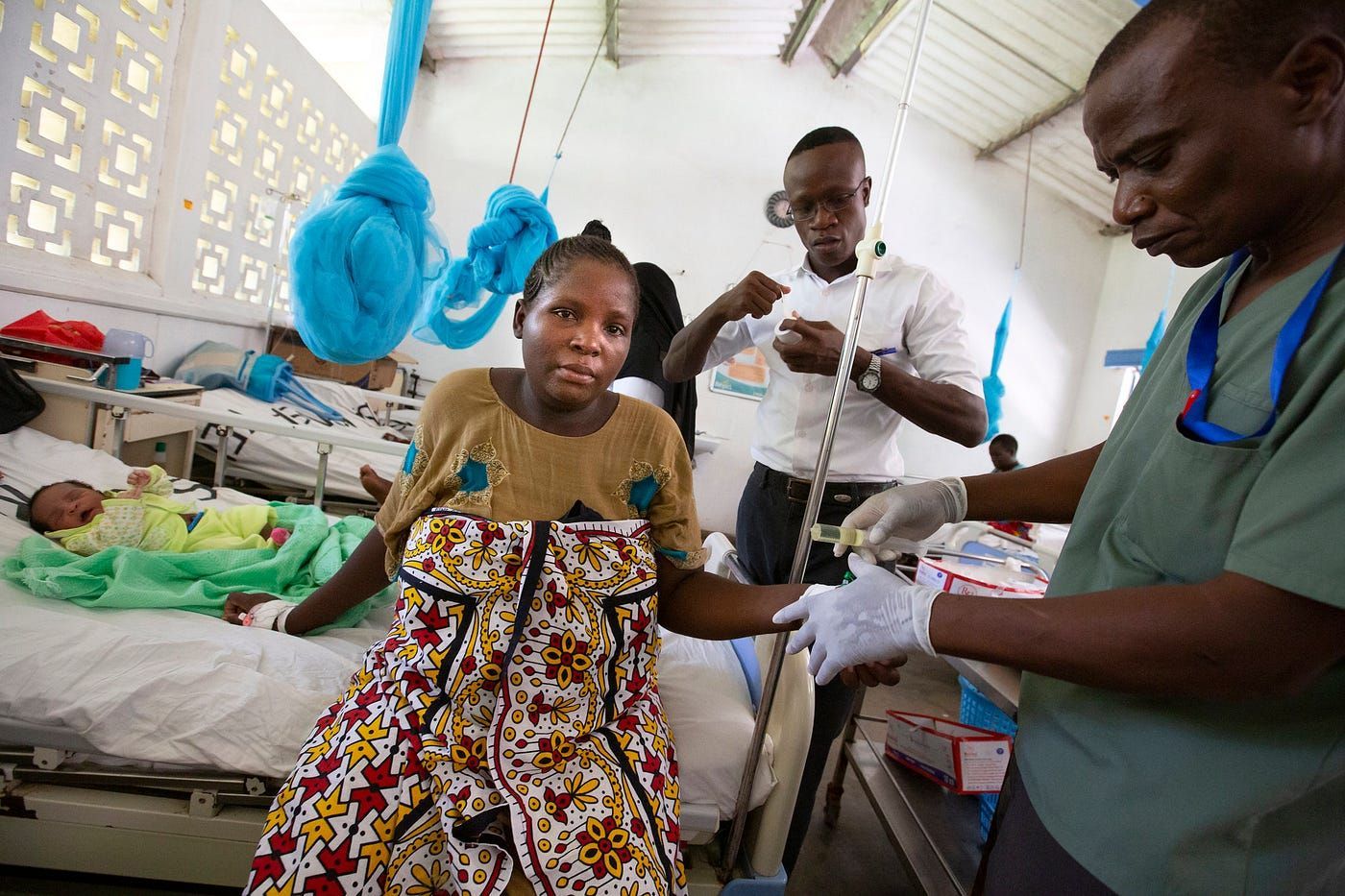
Kenya's Mbali Health are the winners of IBM and David Clark Cause’s 2020 Call for Code Global Challenge. The team emerged the Middle East and Africa regional winners for designing the Mbali Health application that connects patients to care providers in a socially distanced way. Mbali Health team of developers will be awarded a total of $5000 which will go towards future development and deployment of the application. The team aims to include the transmission of voice and images. They will also receive support from IBM’s technical experts. As the winner, Mbali Health also joins Call for Code’s ecosystem, which unites the world’s millions of developers and data scientists to unleash the power of cloud, AI, blockchain, and IoT technologies to solve pressing global problems with sustainable and scalable open source-powered technologies. “We are honoured to have been part of the Call for Code challenge. During this pandemic, we saw the struggle that the patients and clinics were facing and sought to develop a solution. To emerge as the winners in this region is not only humbling but also pushes us to continue creating innovative solutions for the health sector; an area we are very passionate about.” Sam Wilks said, while speaking on behalf of Mbali Health. With the COVID-19 pandemic actively spreading among citizens and with countries facing increased lockdown procedures, it was increasingly difficult for patients to gain access to medical care in a safe and socially distanced manner. Through the Call for Code Challenge, the developers of Mbali Health created a solution for Kenyans powered and secured by IBM Cloud Hyper Protect Virtual Servers and Hyper Protect DBaas with MongoDB, a simple chat interface that gives the patients easy access to healthcare providers through WhatsApp. With over 90% mobile penetration, the easy to use application is effortlessly accessible to a large population of Kenyans allowing for them to interact and receive diagnosis from physicians from the comfort of their homes. The 2020 Call for Code challenge brought together developers, startups, and enterprise developers to create solutions to address the world’s current COVID-19 pandemic in addition to climate change; two pressing issues that have the power to compromise our health, our planet, and our survival. Now in its third year, the Call for Code global competition has generated more than fifteen thousand solutions built using a combination of open source-powered products and technologies, including Red Hat OpenShift, IBM Cloud, IBM Watson, IBM Blockchain, data from The Weather Company, and APIs from ecosystem partners like HERE Technologies and IntelePeer. Since its launch in 2018, this movement has grown to more than 400,000 developers and problem solvers across 179 nations, reflecting the reality that challenges like climate change and COVID-19 demand solutions that work on the local level, but also have the ability to scale and help any community, anywhere. “At IBM, we do our best to apply data, knowledge, computing power, and insights to solve difficult problems. The regional winners, Mbali Health, have embodied the Call for Code Challenge to have developers ambitiously tackle the pressing issues we are currently facing during this pandemic using the power of Cloud, Digital, AI, blockchain, and IoT,” said Caroline Mukiira Country General Manager – East Africa. In addition to the winning team, the Call for Code Challenge had regional finalists from other African countries such as Uganda, Tanzania, and Nigeria tackling education, health, and climate change.
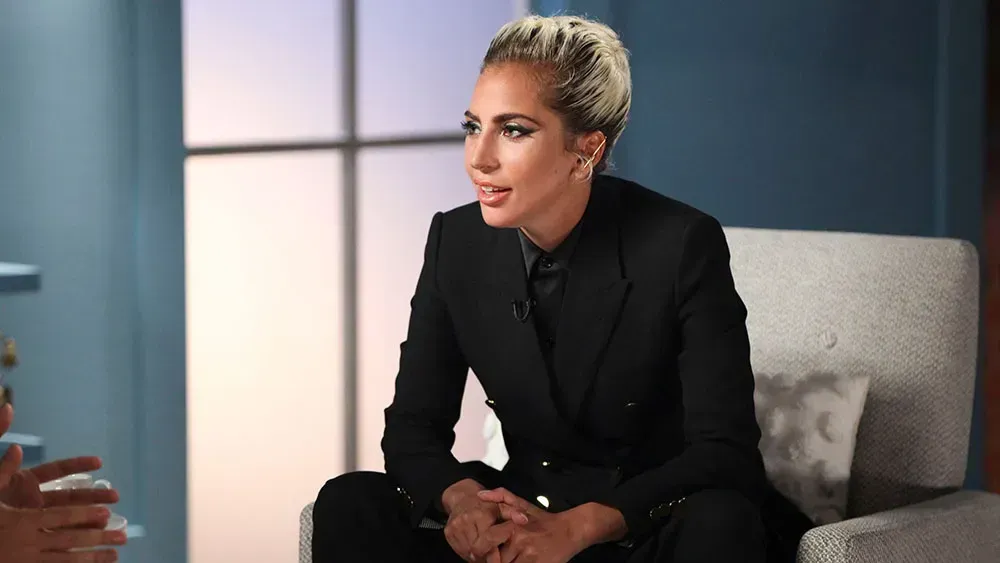
OBJECTIVES IBM has a long history of taking on the world’s biggest challenges because we believe it’s our job not only to innovate but to innovate responsibly. That history is the prime reason David Clark Cause approached IBM to be the Founding Partner of Call for Code, the largest and most ambitious effort to unite and mobilize developers to take on society's most pressing issues. The Call for Code Global Challenge invites the world’s developers to create practical and effective open-source applications based on IBM technology for potential deployment around the globe. Today, the focus of these efforts includes protecting our environment, responding to growing climate change issues and the recent global pandemic that is COVID-19. And because those challenges are experienced differently by different communities, it means crafting solutions that work on local levels that can scale through open source and help communities everywhere. Our research found that 79 percent of first responders and developers agree most people want to do something to help combat climate change but don't know where to start. IBM works with a robust partner ecosystem, including The Linux Foundation, and the winning teams to not merely create innovative ideas, but to develop, field-test, and deploy these solutions in communities that need them most. Through Call for Code, we aim to harness technology and put open source solutions - free for all to use, build upon, and customize - into the hands of those who can create change in communities around the world. STRATEGY AND EXECUTION We know there are millions of developers ready and waiting to answer the call to solve today’s most pressing challenges with the experience, tools, and resources needed to create innovative solutions. They just need to be activated. While we originally focused the 2020 competition on addressing climate change, we quickly recognized the opportunity to tap into the ingenuity and passion of the developer community to respond to COVID-19. We therefore created an additional COVID-19 Call for Code track with an accelerated timeline for the deployment of initial promising solutions. Nearly two months after announcing the expansion of Call for Code to include COVID-19, Bob Lord and Chelsea Clinton announced three early Call for Code solutions to help in the fight against COVID-19: from reducing the strain on medical systems to supporting small businesses and helping us all run errands in a safer way. IBM and our partners are actively working with each of these three teams to develop prototypes and deploy their ideas. Along with the original 2020 challenge and the expansion to include COVID-19, IBM, and the Clinton Global Initiative University also launched a new, dedicated University Edition within the Call for Code Global Challenge for college students to apply their learnings from the classroom to use their ingenuity to contribute to the COVID-19 response efforts. At their core, all developers are problem solvers. We want them to discover and try IBM’s technology, and understand how the same tools they use for business can create a positive impact in society. To help mobilize and grow this movement, while keeping the challenge focused on solving urgent global needs, we designed an integrated marketing and communications campaign to engage our core developer target audience and drive participation. To complement our earned media and event and hackathon strategies, we worked with David Clark Cause to mobilize support from leading celebrities, artists, and athletes and more to amplify our call-to-action over social media. To create a groundswell and cut through today’s noisy social media conversations, we selected a single day to activate and orchestrate having these celebrities engage their Facebook, Twitter, and Instagram followers to promote this cause. We ended up securing over 100 participants – including Lady Gaga, Pitbull, and Gigi Hadid – to rally their social media followers on May 27 to join Call for Code and encourage developers to answer the call. RESULTS Call for Code is based around the central idea that technology should not be a barrier keeping people from making a positive impact in their communities, but rather that it should serve as the catalyst that allows them to do so. Since 2018, this tech for good community has grown to more than 400,000 developers across 179 nations who have answered the call. In the first three years of Call for Code, developers created 15,000 applications focused on natural disaster preparedness and relief and climate change. In March 2020, Call for Code expanded to address the world’s reaction to COVID-19 in addition to climate change. To help drive submissions for the 2020 global challenge, and ensure the deployment solutions when they were most needed, our judges selected three early COVID-19 submissions, which were announced on May 5, and drove targeted media outreach resulting in 158 articles with an estimated reach of 20.6 million. Safe Queue was one of these three solutions selected for accelerated deployment. Safe Queue is an app helping tackle those long lines we’ve all seen during COVID-19 at shopping centers, small businesses, and polling places. Safe Queue was created by a single developer in Los Angeles, after seeing Lady Gaga’s video about the global challenge on the local news. In addition, we secured over 100 celebrities - including Lady Gaga, Pitbull, and Gigi Hadid - with David Clark Cause to rally their social media followers to join Call for Code, reaching over 945 million followers.
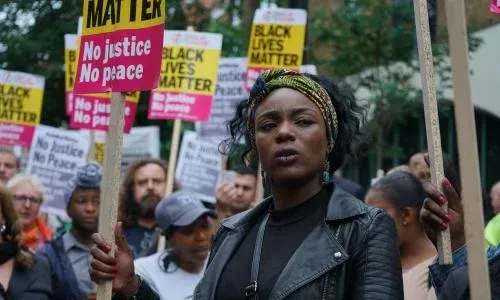
When IBM and the organizers of the Call for Code Global Challenge announced the grand prize winner last week of its third annual international tech-for-good competition, they also unveiled a new Call for Code initiative: Call for Code for Racial Justice, which IBM is describing as "a vital initiative that brings together technology and a powerful ecosystem to combat one of the greatest challenges of our time: racial injustice." Just as the original Call for Code Challenge urged developers around the world to use their skills to address climate change, and then both climate change and the COVID-19 pandemic, the Call for Code for Racial Justice expands the admonition further, calling on the international community of hundreds of thousands of developers to contribute to solutions to confront racial inequalities. Call for Code for Racial Justice encourages the adoption and innovation of open source projects to drive progress in three key areas: Police and Judicial Reform and Accountability; Diverse Representation; and Policy and Legislation Reform. The new initiative emerged from an internal IBM program called the Call for Code Emb(race) Challenge. It was started by Black IBMers who, along with Red Hatters and IBM allies, applied their ingenuity and expertise to design and develop technology solutions to address the problem of systemic racism. These solutions are now being opened up to the world as open source projects through the Call for Code tech-for-good platform. The organizers are partnering with a number of organizations, including: Black Girls Code, Collab Capital, Dream Corps, The United Way Worldwide, American Airlines, Cloud Native Computing Foundation, and Red Hat. "Black Girls Code was created to introduce programming and technology to a new generation of coders," said Anesha Grant, director of alumnae and educational programs at Black Girls Code, in a statement, "and we believe that a new generation of coders will shape our futures. We're excited to participate in Call for Code for Racial Justice and to spark meaningful change." The Call for Code for Racial Justice launched officially this week at the virtual All Things Open. The IBM Call for Code for Racial Justice team kicked off the competition by contributing "solution starters" to the open source community. These projects were built using technologies such as Red Hat OpenShift, IBM Cloud, IBM Watson, Blockchain ledger, Node.js, Vu.js, Docker, Kubernetes and Tekton, said Evaristus Mainsah, General Manager, IBM Hybrid Cloud and Edge Ecosystem and co-chair of IBM's Black Executive Council, and Willie Tejada, General Manager, IBM Developer Ecosystems Group and Chief Developer Advocate, in a joint blog post. "We're asking developers and ecosystem partners to join us in combatting racial injustice by testing, extending and implementing these open source solutions, and contributing their own diverse perspectives and expertise to make them even stronger," they said. The list of solution starters includes: Five Fifths Voter: This web application empowers Black people and other minorities to ensure their voices are heard by exercising their right to vote. It is a virtual one-stop-shop to help determine optimal voting strategies for each individual and limit the impact of previous suppression issues. Legit-info: Local legislation and policies can have significant impact on areas as far-reaching as jobs, the environment and safety. Legit-info helps individuals understand in their own language the legislation that shapes their lives. Incident Accuracy Reporting System : This platform for police incident reporting allows witnesses and victims to corroborate evidence from multiple sources and assess against an official police report. The system creates a more reliable record of all accounts of the incident. Open Sentencing: To help public defenders better serve their clients, Open Sentencing identifies racial bias in data such as demographics that can help make a stronger case. Truth Loop: This app helps communities simply understand the policies, regulations and legislation that will impact them the most. "Each year I'm amazed by how this global community of developers comes together to help solve some of the world's most pressing issues, and this year is no different," said Call for Code creator David Clark, in a statement. "Through the support of UN Human Rights, IBM, The Linux Foundation, the Call for Code ecosystem, world leaders, tech icons, celebrities, and the amazing developers that drive innovation, Call for Code has become the defining tech for good platform the world turns to for results."
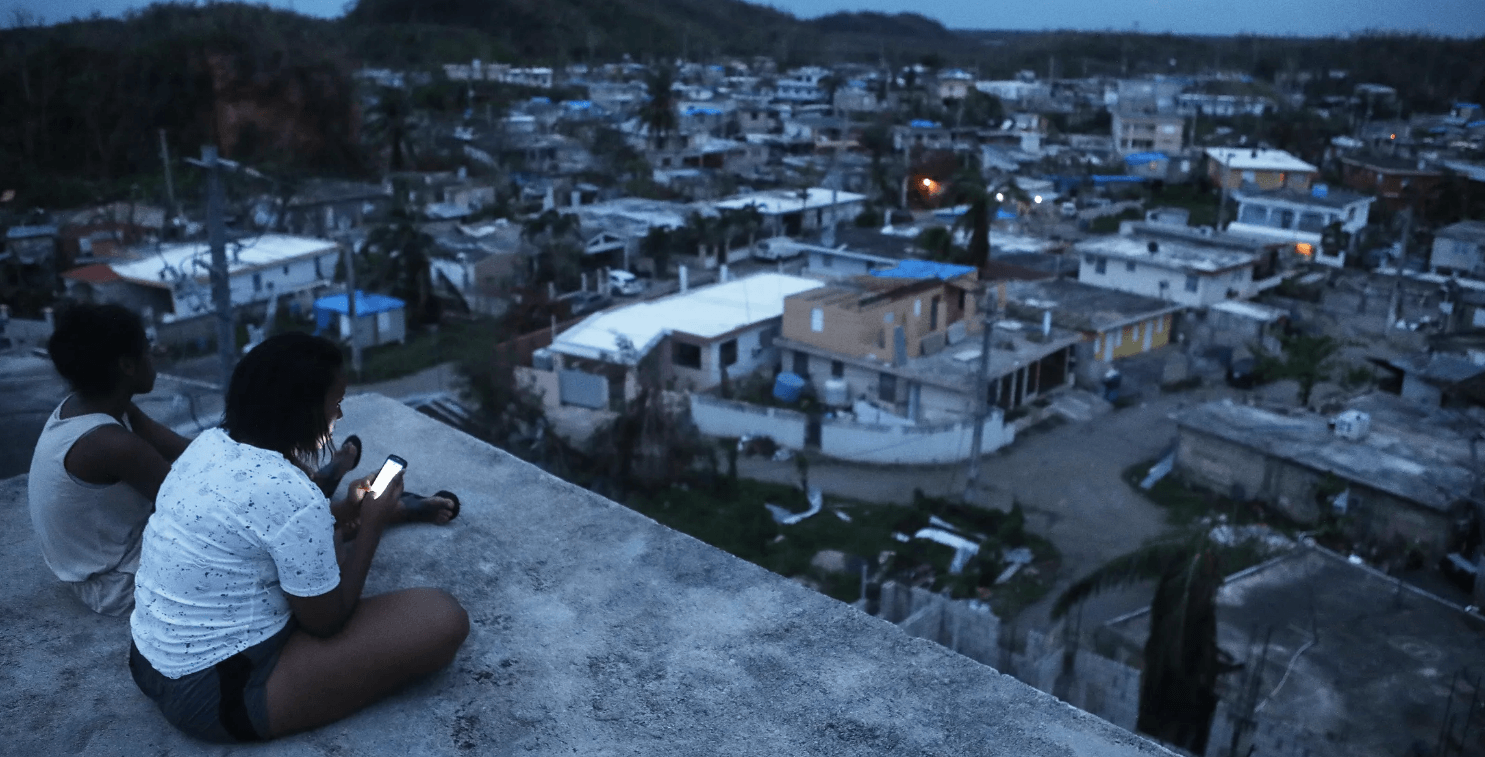
From CNET: New technology like instant Wi-Fi networks and body monitoring sensors are helping first responders in the field save lives.
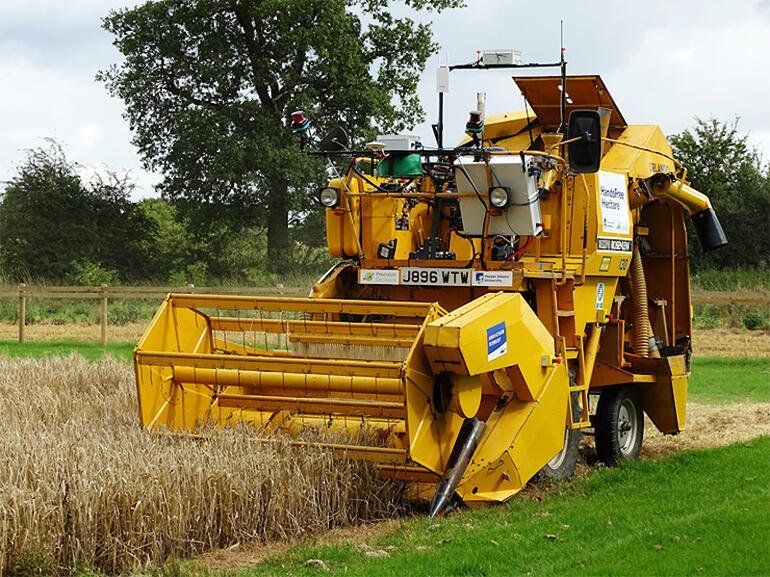
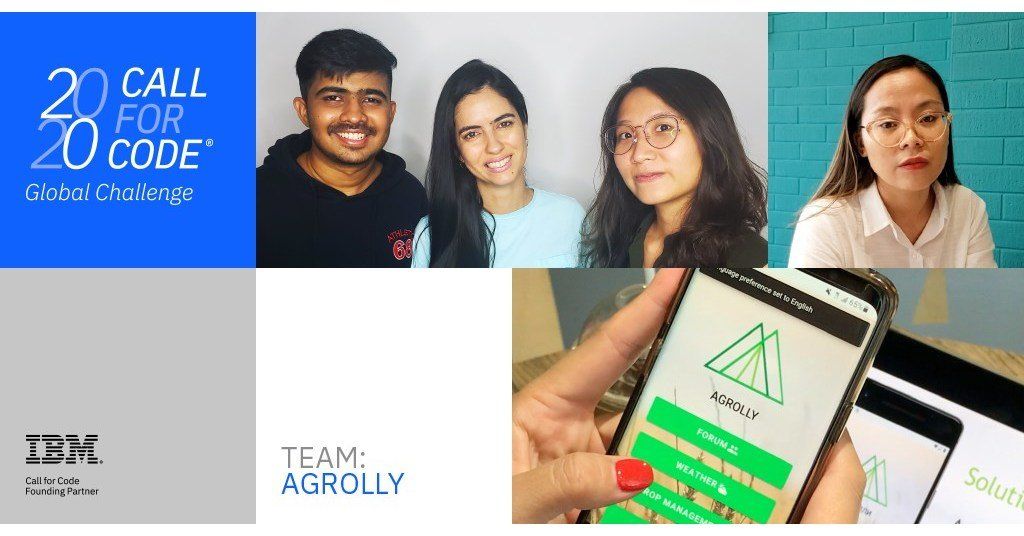
Agrolly, a platform built to help farmers in emerging markets, was chosen as the winner of IBM's 2020 Call for Code Global Challenge. Agrolly provides farmers with a bevy of information about weather patterns and crop characteristics, giving them advice on what would be the best thing to plant during certain times of the year. The platform also has ways for farmers to connect with experts as well as ways for them to share information and tools with each other. During the virtual "2020 Call for Code Awards: A Global Celebration of Tech for Good" event, Agrolly was announced as the winner of the annual competition, which brings together the world's brightest minds to create solutions to pertinent problems. This year's task was to develop solutions to problems related to climate change and COVID-19. "Climate change is making it worse for farmers in developing countries and they are losing yield production because of the changes. When you come to emerging markets and you look at these farmers, they don't have the resources, they don't know what to plant, they don't know what the weather will be, and they don't have advantages," said Manoela Morais, CEO of Agrolly.The body content of your post goes here. To edit this text, click on it and delete this default text and start typing your own or paste your own from a different source. "We want to change the farming industry in the long run by listening to these small farmers in emerging markets, giving them a voice, and empowering them with the latest tech available. We wanted to create an ecosystem where they can contact each other, solve their problems and build a system that is better in the long run for everyone." A panel of judges gave Agrolly and its founders $200,000, tools to test and build out their platform, as well as support from IBM Service Corps and other technical experts. According to IBM, Agrolly will also get help from the Linux Foundation in making its platform open source, which will give developers around the world the chance to help improve it. Since it began in 2018, the Call for Code competition has brought together hundreds of thousands of developers and creators to solve the world's biggest problems, and dozens of unique ideas have been put together through the yearly event. IBM said more than 400,000 developers across 179 nations have participated, taking advantage of IBM tools like Red Hat OpenShift, IBM Cloud, IBM Watson, IBM Blockchain, and data from the Weather Company. There are already multiple studies showing that climate change is already having a drastic effect on the world's food supply and is leading to reduced crop yields among the top 10 global crops, namely barley, cassava, maize, oil palm, rapeseed, rice, sorghum, soybean, sugarcane, and wheat. Agrolly itself uses many of these tools, particularly data from the Weather Company, which provides farmers with daily, weekly, and yearly forecasts so they know what crops to plant at which time of the year. The Agrolly team is made up of researchers, coders, and developers from Brazil, India, Mongolia, and Taiwan who met at Pace University in New York City. Morais told TechRepublic in an interview that she and the team could only start work on the project once they had all finished their final exams. Backed by IBM Cloud Object Storage, IBM Watson Studio, and IBM Watson Assistant, Agrolly was created in the hopes that it would provide struggling farmers with the kind of information they need to make better decisions and improve financially. Ajinkya Datalkar, CTO of Agrolly, explained that the platform gives farmers information that is tailored to their specific location, the kind of crops they want to plant, and the season they want to grow it. Datalkar said he was inspired to help build Agrolly because, in his home country of India, the suicide rate for farmers is becoming higher each year due to the financial crunch many face with a newly uneven climate. The app, he said is currently split into four sections: The forum, the weather, the crop management, and the expert advice. Farmers can speak to one another in the forum, get detailed weather advice from NASA and the Weather Company, receive in-depth information about crops, and call on help from experts. He also noted that the app works on a wide variety of devices. "We kept this in mind while developing this. The farmers may use old cell phones and they may use iPhone 5s, so while developing the app we decided we would also be targeting devices that support Android 4.4, which is pretty much all Androids," Datalkar said. The app is already available in the Google store and is in use in a number of countries. IBM's chief technology officer for Call for Code, Daniel Krook, said the Agrolly team was chosen not just for their innovative idea but because of how they initially came up with it. "What really stands out to me about this particular solution is that I like that from the ground up since May, they have been talking to their end-users. What they created was something based on those conversations in Mongolia and Brazil," Krook said. "They didn't just conceive of a solution to an imaginary problem. I saw that they were deeply involved and worked very closely with their end-users and I think the ecosystem will grow no matter what happens. They really have a great road map, not only of where they've gotten to right now but also where they're thinking of going from a business point of view." Agrolly was one of the five finalists chosen by the Call for Code judges. The other groups involved included OffShip, another potential solution to the effects of climate change, and three other platforms that revolved around efforts to deal with the COVID-19 pandemic. The second-place prize went to Business Buddy, which will receive $25,000 and the third-place prize went to Safe Queue, which is already being used by stores to create digital replacements for physical lines. SchoolListIt was awarded fourth place and $10,000. "Each year I'm amazed by how this global community of developers comes together to help solve some of the world's most pressing issues, and this year is no different," said Call for Code creator David Clark. "Through the support of UN Human Rights, IBM, the Linux Foundation, the Call for Code ecosystem, world leaders, tech icons, celebrities, and the amazing developers that drive innovation, Call for Code has become the defining tech for good platform the world turns to for results."
Technology can serve any purpose, including the greater good. That inspired entrepreneur David Clark to start an annual competition, the Call for Code Global Challenge. “The basic idea was to create this ‘Justice League’ for good,” he says, “where we would encourage developers around the world to solve social challenges with tech solutions and really create what would be akin to the Nobel Prize for developers.” Co-founded with IBM and in partnership with the UN, the contest offers cash prizes and helps bring promising ideas to market. It issues a different challenge each year. Last year’s competition focused on preparing for natural disasters, which are becoming more common as climate change causes more extreme weather. “The innovations that came out of it quite frankly were amazing and are actually being deployed right now,” Clark says. For example, the winning team was led by a firefighter who lost a friend to smoke inhalation. He created a wearable device that monitors air quality and firefighters’ vital signs. This year, the Call for Code is seeking solutions for two of the world’s most pressing problems: COVID-19 and climate change. So soon, the world may see other winning ideas moving to the front lines. Reporting credit: Stephanie Manuzak/ChavoBart Digital Media.
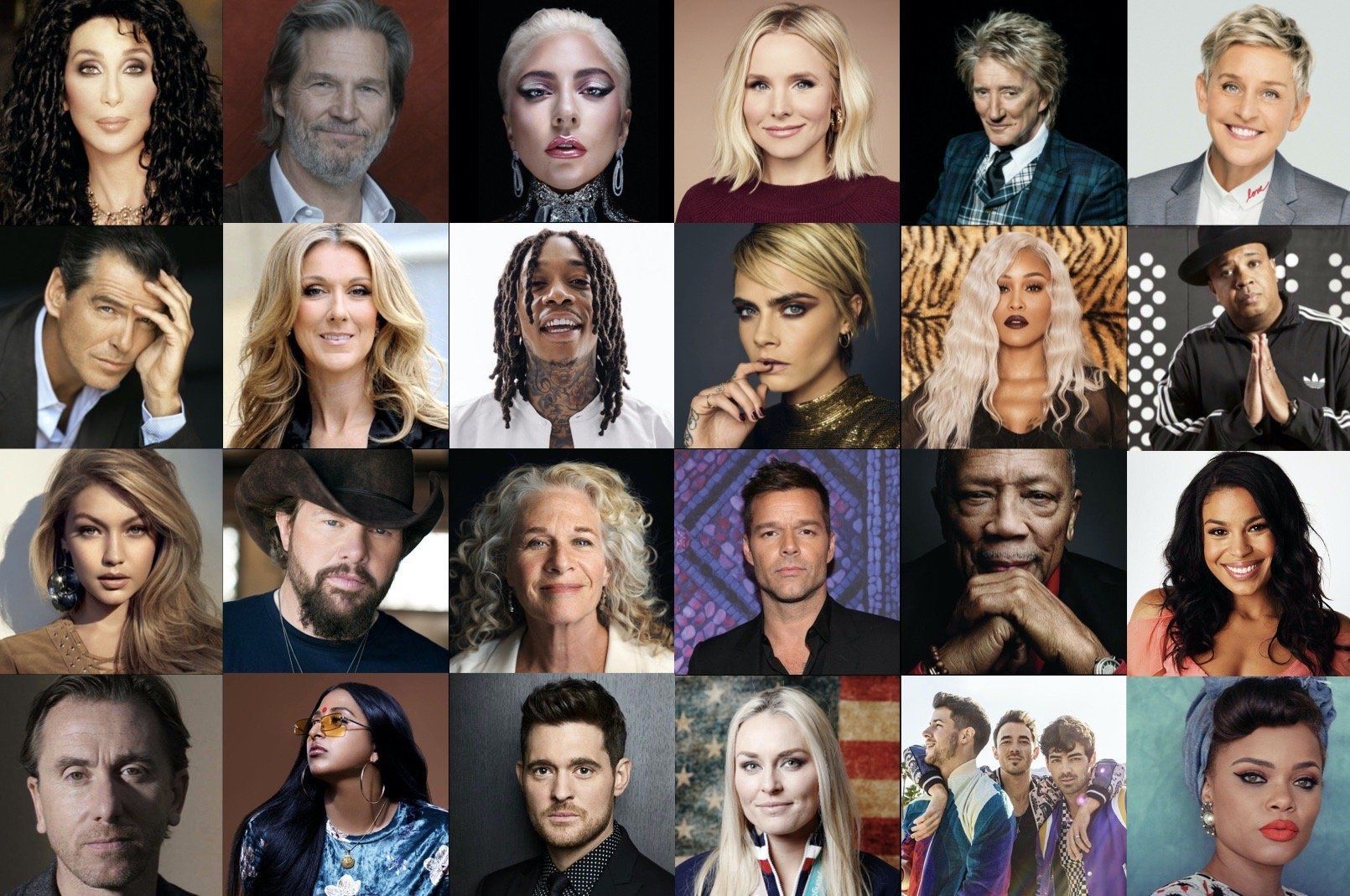
NEW YORK (May 28, 2020) – Barbra Streisand, Quincy Jones, Celine Dion, Ellen DeGeneres, Cher, Michael Bublé, Jeff Bridges, Jonas Brothers, Carole King, Rod Stewart, Gigi Hadid, Misty Copeland, Pitbull, Pierce Brosnan, Kristen Bell, and more are among the major celebrities joining United Nations Human Rights on May 27, 2020 to launch the Call for Code awareness campaign and advocate for new tech solutions to help people suffering from the effects of the Covid-19 pandemic and climate change. Over fifty of the biggest names in entertainment, sports, and fashion are lending their voice to ignite the Call for Code ‘Cause Flash,’ a global social media campaign to encourage developers and innovators to make a difference and create solutions to help the world’s most vulnerable people. The celebrity coalition has a combined social media reach of over 1 billion followers. Participants also include Aloe Blacc, Andra Day, Austin Mahone, Bazzi, Cara Delevingne, Carlos Vives, Cyndi Lauper, Fall Out Boy, Fergie, Gloria Estefan, Jason Mraz, One Republic, Pentatonix, Rev Run, Ricky Martin, Ryan Tedder, Rob Thomas, Rita Wilson, Toby Keith, and Wiz Khalifa, as well as Olympic champions Lindsay Vonn and Laurie Hernandez, actors Nina Dobrev, Steve Buscemi, Tim Roth, and comedienne Margaret Cho, among many others. Academy Award-winner Jeff Bridges, the first celebrity out the gate to speak out for Call for Code on his popular Twitter , Instagram , and Facebook accounts posted a poignant photo of a frontline health care worker with his message, "Let's fight back against #COVID19 & #ClimateChange. I encourage developers & innovators to make a difference. Join @CallforCode & its partner @UNHumanRights to help create solutions for the world's most vulnerable people. Visit: http://CallforCode.org #TechForGood." Since Lady Gaga made a personal video appeal in March urging ‘tech rock stars’ to commit to the cause, hundreds of thousands of developers from 165 countries have already signed up for the 2020 Call for Code Global Challenge , which has become the largest tech for social good initiative in history. The top tech innovations to be funded and deployed will be selected by a jury, which includes Former President Bill Clinton, Mark Cuban, American tech entrepreneur and co-host of ABC TV’s “Shark Tank,” Dr. Irwin Redlener, Director of National Center for Disaster Preparedness, Dr. Mickey Chopra, Global Solutions Lead for Service Delivery in the Health Nutrition and Population of the World Bank, Mami Mizutori, the UN’s Assistant Secretary-General and Special Representative of the Secretary-General for Disaster Risk Reduction, Brian A. Gallagher, President and CEO of United Way Worldwide, and David Miliband, President and CEO of International Rescue Committee. United Nations Human Rights is Global Partner of Call for Code, a multi-year initiative created in 2018 by David Clark, CEO of David Clark Cause, with Founding Partner IBM, and Affiliate Partner The Linux Foundation. In addition to IBM’s initial 5-year $30 million pledge of support Call for Code, and additional $25 million pledged to help deploy the top tech solutions, Call for Code is supported by major corporations including Verizon, Arrow Electronics and Persistent Systems. “We are so grateful for the generous support from these renowned celebrities, our jury, partner organizations, and sponsors, and sincerely thank Lady Gaga for inspiring developers and innovators to answer the call,” said David Clark. “Call for Code would not be possible without United Nation Human Rights, which has helped guide our effort while they continue to work with the 193 member states to address the unfolding human rights crisis posed by Covid-19 and climate change. I also want to extend our utmost gratitude to IBM CEO Arvind Krishna, and the entire IBM family for their unparalleled leadership in galvanizing the global tech community. As the most trusted technology partner there is, we’re grateful IBM answered the call to be the Founding Partner of Call for Code.”
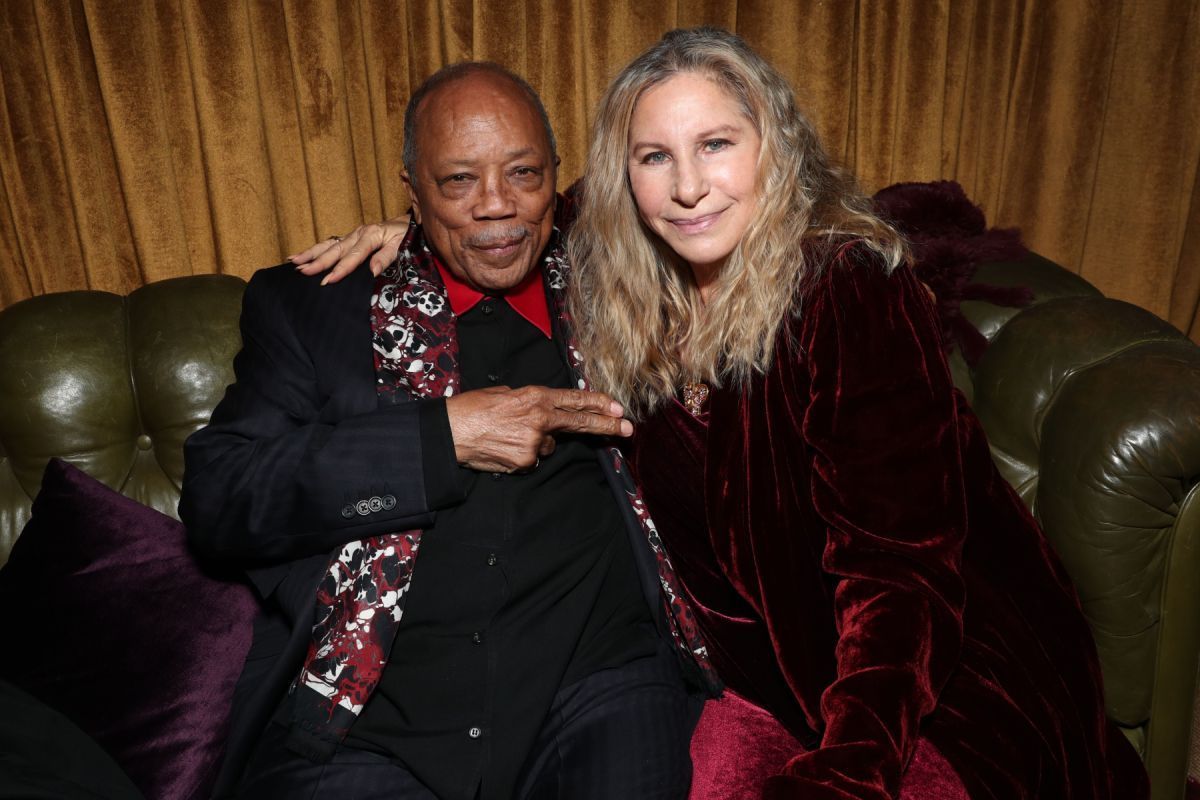
The United Nations Human Rights group will launch this year’s Call for Code campaign on May 27th as part of the organization’s annual call for new tech solutions to global issues. The focus of the 2020 campaign will be on the COVID-19 pandemic and climate change. Barbra Streisand, Quincy Jones, Celine Dion, Ellen DeGeneres, Cher, Michael Bublé, Jeff Bridges, the Jonas Brothers, Carole King, Rod Stewart, Gigi Hadid, Misty Copeland, Pitbull, Pierce Brosnan and Kristen Bell are among the announced celebrities joining the campaign on Wednesday. Participants also include Cara Delevingne, Cyndi Lauper, Fall Out Boy, Fergie, Gloria Estefan, Jason Mraz, One Republic, Ricky Martin, Rob Thomas, Rita Wilson, Toby Keith and Wiz Khalifa — as well as Olympic champions Lindsay Vonn and Laurie Hernandez; actors Nina Dobrev, Steve Buscemi and Tim Roth; and comedian Margaret Cho. Lady Gaga created a personal video for Call for Code back in March, asking the world’s 24 million tech developers to work toward solutions to the ongoing coronavirus pandemic. “Now is the time to fight back against this coronavirus, to use open source technology, to solve problems at scale and to save lives,” she said. “A great technology solution can span the globe and help so many others. I know you know this. I know this is why you do what you do.” Former U.S. President Bill Clinton and entrepreneur Mark Cuban are among those serving on the Call for Code Eminent Jury and will select the winning 2020 solutions that address both COVID-19 and climate change.
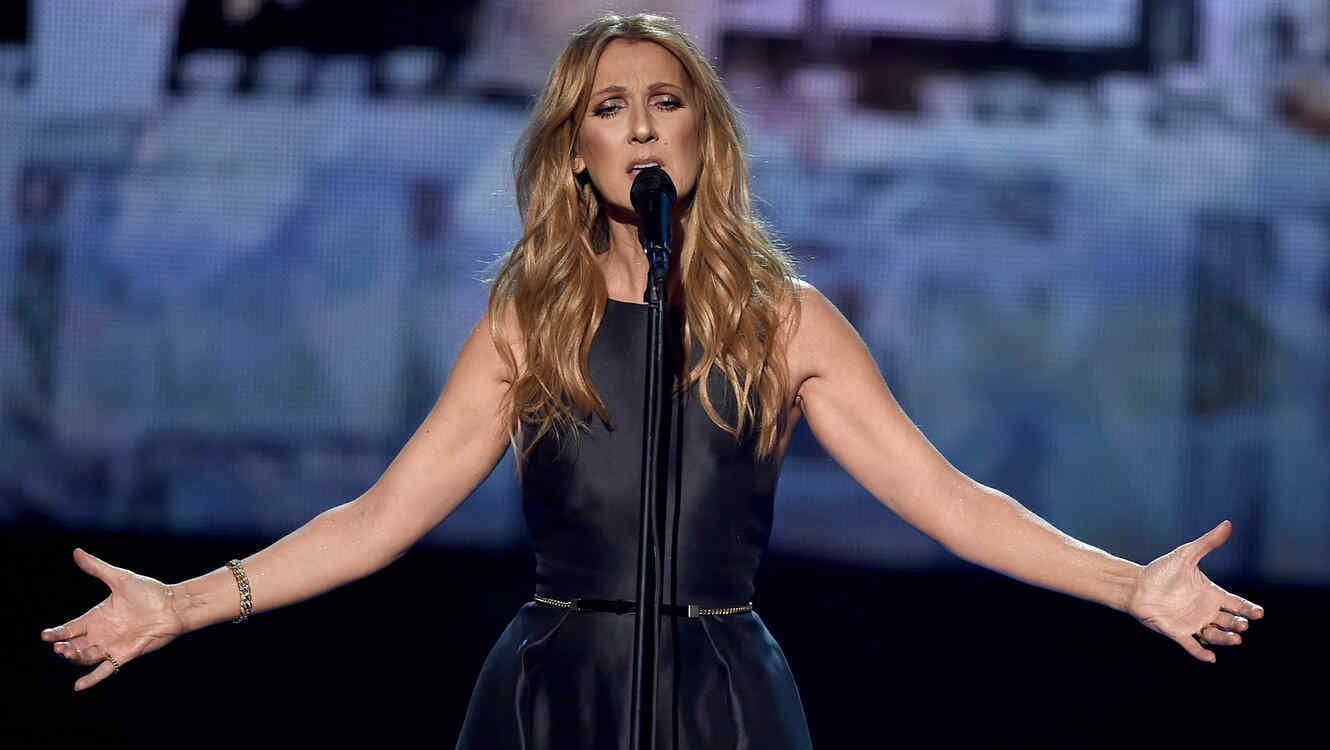
Celine Dion, Cher, Michael Bublé and Rod Stewart have teamed up with more than 50 other celebrities from the worlds of entertainment, sports and fashion in support of a climate change and COVID-19 awareness campaign called Call for Code. The initiative is designed to advocate for "new tech solutions to help people suffering from the effects of the COVID-19 pandemic and climate change." Other music artists participating in the social media awareness campaign include Barbra Streisand, Jonas Brothers, Carole King, OneRepublic, Rob Thomas, Gloria Estefan, Cyndi Lauper, Pentatonix and Jason Mraz. Artists participating are using their socials to share messages like, "Let's fight back against #COVID19 & #ClimateChange. Join @CallforCode & its partner @UNHumanRights to help create solutions for the world's most vulnerable people." Last month, Lady Gaga issued a call to “tech rock stars” on behalf of the cause. Since then, hundreds of thousands of tech innovators and developers from 165 countries have signed up for the 2020 Call for Code Global Challenge. For more info, visit CallforCode.org .

With concerts, sports, movie productions, Broadway shows, and nearly all forms of entertainment currently on hold due to the coronavirus pandemic, the world’s celebrities are uniting to ask tech leaders to find solutions.
Last month, the sponsors of this year's Call for Code Global Challenge expanded the scope of the event beyond its original focus on solutions that address the impact of climate change to include solutions that mitigate the impact of global pandemics. Last week, they threw a spotlight on three promising front runners on this new second track with solutions that have the potential to contribute to the COVID-19 response efforts. The 2020 Challenge also includes a dedicated University Edition through a partnership that began last year with the Clinton Global Initiative University (CGI U). More than 10,000 students participated last year. IBM senior vice president Bob Lord and Chelsea Clinton, chair of the Clinton Foundation, featured the current three top solutions in a video presentation during last week's IBM Think 2020 online conference. "We really do need reasons for optimism right now," Clinton said. "And these are just extraordinary reasons to be optimistic about our resilience and what we can prove to be possible, while still recognizing the deep and painful challenges that we're in." The solutions highlighted during the presentation included: Are you Well? This mobile app was developed by a team from India-based Altran to relieve overtaxed medical systems by helping individuals evaluate their own symptoms before they get to the hospital. The mobile app combines a smart phone with IBM's Watson Assistant and connects to a global dashboard, which then assigns cases high-, medium-, or low-risk levels (based on thresholds set by the healthcare provider), and then connect them with medical professionals. Covid Impact This solution was designed to reduce the financial impact of COVID-19 on small businesses. Created by a team of University of British Columbia graduates from Canada, Kazakhstan, Bangladesh, and Mexico, CovidImpact combines IBM Watson Tone Analyzer with IBM ILOG CPLEX to provide a predictive assessment that forecasts risk levels for a business and curates personalized programs and tips to reduce oncoming financial threats. It also projects a real-time list of sentiment analysis-parsed news articles relevant to small business owners from all major outlets. Safe Queue Safe Queue, created by Dave Chura, a developer in Los Angeles, is a community-driven mobile app that aims to replace physical lines at shopping centers, small businesses, and polling places with on-demand virtual lines. The idea is to enable a safer way to manage entry during the pandemic. The solution uses GPS location data to create a virtual queue of those within 1,000 feet of a location, which allows employees to control the queue digitally and validate entry with a randomly generated QR code for each customer. This solution builds on IBM Cloud Foundry for Web app hosting, HERE technologies for geolocation, and IBM Cloudant to store data. Created by David Clark Cause with Founding Partner IBM, and in partnership with the United Nations Human Rights and The Linux Foundation, Call for Code is among the largest "tech-for-good" challenges of its kind. In 2019, more than 180,000 participants from 165 countries responded to the call, creating more than 5,000 applications focused on natural disaster preparedness and relief, the company says. This year more than 300,000 developers and problem solvers across 168 countries signed up for the Challenge. Health insurance provider Anthem became a Challenge supporter this year, committing to jointly deploying one of the top solutions from the COVID challenge track. "After we expanded the focus of this year's competition to include COVID-19, the response has been tremendous," said Dennis Bly, global offering manager for academic developers at IBM, who leads IBM's global university engagement for Call for Code, in an earlier interview "In just under a month, we already have 45,000 participants from 146 countries and growing, who are actively working on solutions to help address the COVID-19 response and climate change." Challenge participants are building applications on open source software provided by IBM, including Red Hat OpenShift, IBM Cloud, IBM Watson, IBM Blockchain, and data from The Weather Company. The grand prize for this year's Global Call for Code Challenge is $200,000, plus solution implementation through Code and Response and an opportunity for mentorship and investment in the solution. First and second runners up receive $25,000; third and fourth receive $10,000. The University Edition grand prize is $10,000 dispersed equally across the team, and each student team member will have the opportunity to interview for a potential job at IBM. The runners up also get an interview. Submissions are being accepted through July 31st.
As part of its expanded 2020 Call for Code Global Challenge focusing on COVID-19, IBM on Tuesday announced three initial top efforts from developers. In a blog post, Bob Lord, SVP of cognitive applications, blockchain, and ecosystems, IBM, noted the solutions "have the potential to change the way we react to the pandemic." In March, IBM challenged developers to fight COVID-19 by saying: "Answer the call. Build solutions that fight back." IBM is live streaming the top initial solutions starting at 3 p.m. ET May 5, with Lord joined by Chelsea Clinton, vice chair of the Clinton Foundation, introducing the teams at the IBM Think Virtual Conference. Here is IBM's description of the efforts: Safe Queue was created by a single developer in Los Angeles, who was inspired to join Call for Code after seeing Lady Gaga's video about the global challenge on the local news. Safe Queue is an app to help tackle those long lines we've all seen during COVID-19 at shopping centers, small businesses, and even polling places. The app replaces physical lines with on-demand virtual lines, creating a safer way to manage entry during COVID-19. The developer used one of our starter kits–the Call for Code Community Cooperation starter kit–to create this solution, as well as IBM Cloud Foundry for web app hosting, HERE technologies for geolocation, and IBM Cloudant to store data. CovidImpact is a solution to help small businesses during this uncertain time. It was created by a global team that came together at the University of British Columbia, hailing from Canada, Bangladesh, Kazakhstan, and Mexico. Their solution reduces the financial impact of COVID-19 on small businesses, by keeping them updated on the latest relevant news and available grants. CovidImpact uses IBM Watson Tone Analyzer linguistic analysis and other technologies to help forecast businesses' financial risk. Are You Well? was created by a team from Altran in India and will help reduce the strain on busy healthcare systems. The app helps people evaluate their symptoms, with the help of IBM Watson Assistant. A global dashboard assigns cases a high, medium, or low level of risk based on thresholds set by healthcare providers. The solution then connects people with medical professionals who use the data to prioritize cases and offer care in a safer manner. In his blog post, Lord wrote, "We are excited to work quickly in partnership with the Linux Foundation, Anthem, and these teams to get their innovations deployed in communities where they're needed most to help mitigate the effects of COVID-19." The company put out its 2020 Call for Code Global Challenge in February, with the United Nations Human Rights and the Linux Foundation to tackle climate change. In March, IBM expanded the challenge, noting: "In a very short period of time, COVID-19 has brought modern life to a screeching halt, disrupting our healthcare, education, and economic systems. But we can fight back–with technology." IBM is accepting submissions for both climate change and COVID-19 through July 31, and plans to announce the global challenge winners in October. The company said it is offering participants exclusive access to a new disease tracker API from The Weather Company. Since 2018, IBM said, this movement has grown to over 300,000 developers and problem solvers across 168 countries who have answered the call. Last year's winning team, Prometeo, created a wearable device that measures carbon monoxide, smoke concentration, humidity, and temperature to monitor firefighter safety in real time as well as to help improve their health outcomes in the long term. The company said through Code and Response, it brings open source solutions to life through real-world deployments to help first responders in their efforts to save lives. In the past 18 months, this has included deployments of Project Owl and DroneAid in hurricane-hit Puerto Rico, and Prometeo in areas of Spain prone to wildfires, IBM said. In his post, Lord wrote: "Medical professionals, first responders, and essential workers are rising to the challenges we're faced with today and are leading the way. IBM and David Clark Cause have led a broad ecosystem including the Linux Foundation, UNHR, Verizon, Persistent Systems, Arrow Electronics, Ingram Micro, Cognizant, ICBC, Altran, and celebrities to do our part. President Bill Clinton announced our partnership with the Clinton Global Initiative University for the second year, with a dedicated University Edition within Call for Code." "Even Lady Gaga recognized the scope and urgency of the issues we're facing and urged "tech rock stars" to lend their time and talent to the cause," he added. "In fact, the developer who created Safe Queue joined Call for Code after seeing her shout-out on a local broadcast."
Last month, IBM expanded this year’s Call for Code Global Challenge from climate change to help develop solutions for COVID-19, and on Tuesday, IBM announced three initial top solutions that have the potential to make a real difference in the world and contribute to the COVID-19 response efforts. The solutions have come from teams around the world and they address issues like helping small businesses, keeping people safe when they need to go to public places, and people’s well-being. Call for Code is more than a hackathon. The winning solutions are successfully developed, field-tested and deployed in communities that need them most. Our goal is to work quickly to partner with three teams to get their innovations out in the field where they can quickly make an impact. We’ve seen overwhelming enthusiasm pour in from the developer community. Word about Call for Code is spreading, too – you may have even seen the video of Lady Gaga encouraging developers, technologists and problem solvers around the world to take on COVID-19 by building innovative technology solutions. In fact, one of the developers whose solution was chosen as a top submission joined the Challenge after seeing the Lady Gaga video on a local broadcast. IBM launched the Call for Code Global Challenge to take on society’s most pressing issues. Since 2018, this movement has grown to over 300,000 developers and problem solvers across 168 countries who have answered the call. On Tuesday, IBM announced three initial top solutions that have the potential to make a real difference in the world and contribute to the COVID-19 response efforts. The three top solutions announced Tuesday: -Safe Queue was created by a single developer in Los Angeles, who was inspired to join Call for Code after seeing Lady Gaga’s video about the global challenge on the local news. Safe Queue is an app to help tackle those long lines we’ve all seen during COVID-19 at shopping centers, small businesses and even polling places. The app replaces physical lines with on-demand virtual lines, creating a safer way to manage entry during COVID-19. The developer used one of our starter kits – the Call for Code Community Cooperation starter kit – to create this solution, as well as IBM Cloud Foundry for web app hosting, HERE technologies for geolocation, and IBM Cloudant to store data. -COVID Impact is a solution to help small businesses during this uncertain time. It was created by a global team that came together at the University of British Columbia, hailing from Canada, Bangladesh, Kazakhstan and Mexico. Their solution reduces the financial impact of COVID-19 on small businesses, by keeping them updated on the latest relevant news and available grants. COVID Impact uses IBM Watson Tone Analyzer linguistic analysis and other technologies to help forecasts businesses’ financial risk. -The "Are You Well?" app, created by a team from Altran in India, will help reduce the strain on busy healthcare systems. Their app helps people evaluate their symptoms, with the help of IBM Watson Assistant. A global dashboard assigns cases a high, medium or low level of risk based on thresholds set by healthcare providers. The solution then connects people with medical professionals who use the data to prioritize cases and offer care in a safer manner. "The response for the 2020 Call for Code Global Challenge has been tremendous," said Bob Lord, Senior Vice President, Cognitive Applications at IBM. There is still an opportunity to join the 2020 Call for Code Global Challenge. Register and get all the resources you need here, including exclusive access to a new disease tracker API from The Weather Company. We’ll continue to accept submissions for both climate change and COVID-19 through July 31, and plan to announce our global challenge winners in October.
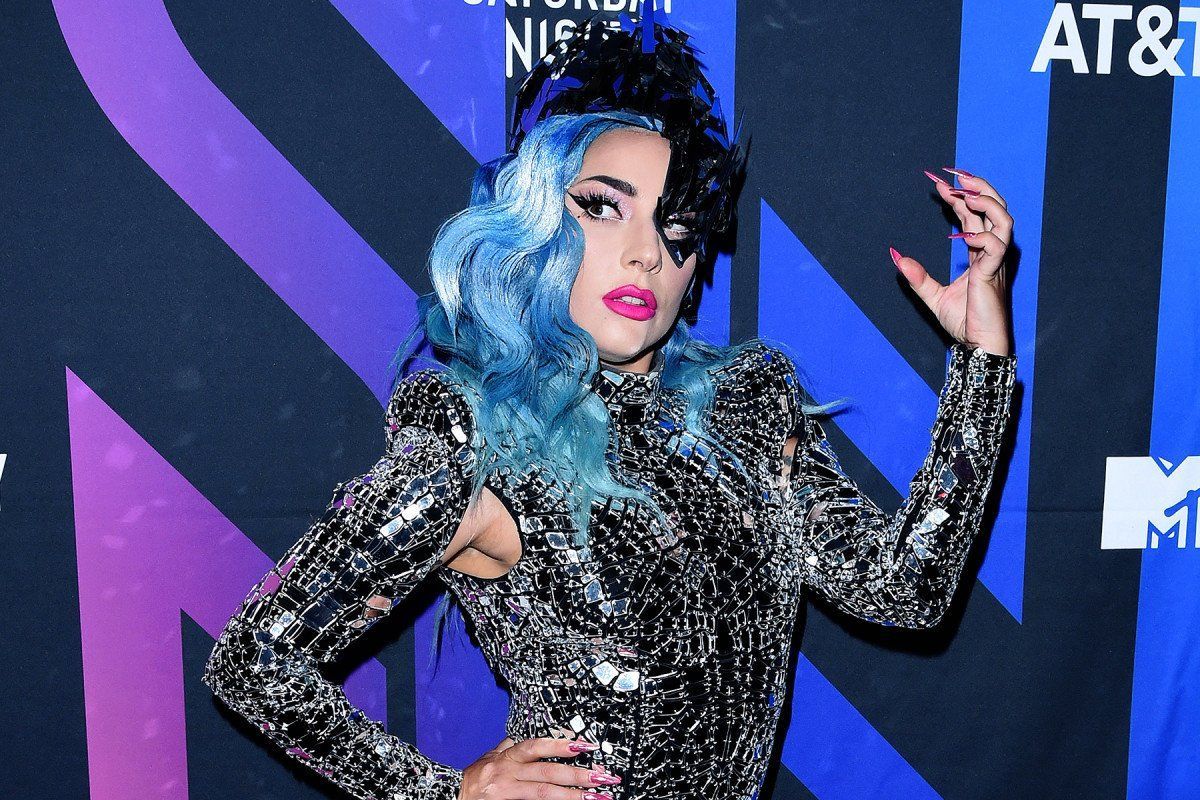
Lady Gaga has called for the world’s 24 million tech developers to work toward solutions to the ongoing COVID-19 pandemic.

Lady Gaga is calling on tech developers to come together and build a solution to shut down COVID-19.
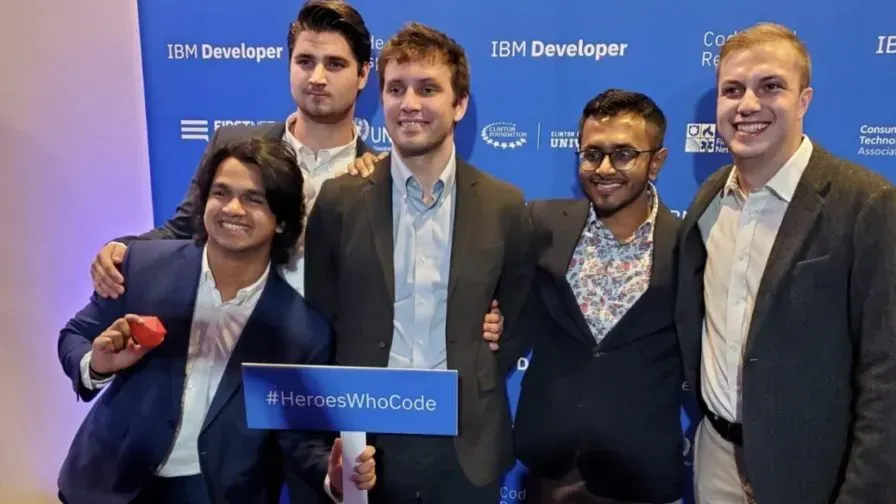
The winner of the 2018 Call for Code Global Challenge, Project OWL , is a hardware and software solution that uses Wi-Fi to bring simple communications to civilians who hve become disconnected from the global network because of natural disasters. OWL, an acronym for Organization, Whereabouts and Logistics is a mesh network solution providing offline communication infrastructures that can be set up easily in disaster areas where traditional communications are offline. The team behind this project came up with the idea after hurricane Maria hit Puerto Rico. Project OWL was successfully field-tested in Puerto Rico later that year, as part of the Call for Code Global Challenge, which supports the winning team to further develop their project. What is truly inspiring is the fact that the founding team at Project OWL was made up of very young developers, including current head of product development Timo Wielink, a 20-year-old Dutch software engineer and developer. Global Challenge Hackathons, where competition leads to friendship “I decided to join Project OWL because I knew Bryan Knouse, our CEO,” Timo explains.” I first met him at a hackathon in Boston. We had a very interesting talk, and we ended up teaming up to build an application to submit for that competition. I was going to focus on design while he would focus on the back-end. We actually won the competition, so we decided to keep working together as a team in future competitions.“ “”When Bryan decided to join the 2018 Global Challenge Call For Code, he made a team with some of the people he had met during other hackathons, including Nick Feuer, our current CTO . That’s how Charlie Evans, Taraqur Rahman, and Magus Pereira also came on board. I was finishing my semester at college in Holland at that time, so I started helping them out and later on I joined the project full time. ” No ugly duckling Then Timo goes on: “Project OWL’s name was inspired by nature. Everyone knows that owls are predators, but not everyone knows that some owls hunt for ducks. We saw parallels between owls, who can have a wide-range view of their surroundings while flying, and ducks, who spend a considerable amount of their time in the water”. Project OWL is a hardware and software solution that brings connectivity back to areas struck by a natural disaster. Its network is made up of Ducklinks, small self-powered IoT devices. Ducklinks create a hybrid WiFi and LoRa network that any electronic consumer product can connect to automatically in order to create a web page where an isolated person can share information such as their name, position, immediate needs, and a short message. The information is then sent to first responders. To make this possible, Ducklinks communicate with a base hardware unit on the ClusterDuck network – the MamaDuck – which in turn connects to the PapaDuck. PapaDuck connects to an infrastructure like local or emergency organizations and logistics teams. Each step of the network brings with it an increase in the longevity and extension of the network. The overall network infrastructure is supported by an OWL that provides mapping and information tools, to maintain awareness and activity on the network. Millions of things at the same time “My role in Project OWL,” Timo explains “is like in a typical startup: millions of things at the same time! My main focus is product development. I am responsible for designing and prototyping our Duck Devices. This can include 3D modelling, software engineering, and manufacturing. Besides that, I do a lot of graphic design for our public website ‘Clusterduck Protocol’ and more.” The Clusterduck protocol is the communication software developed by Project OWL, and donated to the Linux Foundation to become a full-fledged open-source project. Where openness exists, a community develops. “Currently, we can count on 400+ people from our open-source community, but we are still looking at growing both our team and community, depending on what opportunities we get over the next few months.” As development progresses, the number of functions in OWL increases. “We gather all kinds of data with our Duck Devices. An example is our weather data in Puerto Rico. We collect temperature, humidity, pressure, and air quality to give very specific weather information for different parts of the island.” After a hurricane hit Puerto Rico, a pilot project kicked off with IBM in March 2019, building a large-scale network with over 60 ducks spread across 120 square miles. Currently, half of these ducks are still deployed and provide a backbone communications network for when the next natural disaster strikes. Looking for clients Project OWL is like many other startups in the early stages, when funding and growth are critical to success. Although the team is willing to welcome venture capital investments, the team is growing their business by focusing on governmental and enterprise areas, and are also exploring funding opportunities from Emergency Response and Energy sectors around the world. A new Global Challenge! “Let me draw a quick overview of our immediate timeline,” Timo suggests. “I have at least three goals: To improve and update the DuckLink devices: in the near future, we want to improve our hardware and software. Together with the open-source community, we are looking forward to improving the firmware and adding more capabilities so the Ducks can be used in more areas around the world. We are looking into different technologies to make more durable and sophisticated DuckLink devices; To finish the Beta of a Data Management System with our open source community to use with the ClusterDuck Protocol; To continue working with our community in Puerto Rico to expand our network on the ground.” The ClusterDuck Protocol The DuckLink device comprises a battery, charging system, antenna and an Arduino board based on the ESP32 microcontroller. The DuckLink includes WiFi and Bluetooth to connect to devices, and us es LoRa, a long range radio technology, to communicate with other Ducks. Some attention is also being dedicated to operational frequencies because LoRa is not regulated in the same manner everywhere, which can result in legal and administrative issues. The original project started with parts that were easy to find on the market, but over the last year Project OWL has improved and developed their Ducks to be handheld, waterproof, and durable in the different scenarios they might be used in. “The protocol is the firmware that runs on the Duck Devices and is there to give developers, civilians and first responders the possibility to build their own mesh network for testing and communication in the areas they need it most,” Timo underlines.” The community is able to buy their own, off the shelf parts and upload the protocol to their devices. With the open-source community, we want to keep developing this protocol to bring communication to areas where it is most needed.” Hans Boef, lead for Call for Code in Europe, tells us: “What I liked the most about Project OWL’s team was their focus on engineering the best possible solution to help people. They frequently met and partnered with other teams as well. This often happens among the Call for Code teams, but they paid greater attention to this aspect.” Hans Boef’s expertise is in AI and IoT, where he supports developers in their day-to-day coding challenges. “Next to my role as a developer advocate, I’m the Call for Code lead for Europe, where I coordinate all our activities to help the teams in this challenge. What’s new this year is the increased focus on mentors for every team. When you would like to start the Call for Code challenge and could use the support of a mentor or coach, we’re available to connect you to one of our mentors. In the 2019 edition of Call for Code, the number of participants exceeded 180,000. Such an extraordinary result!“. Global Challenge: Your time has arrived! Of course, these are strange and difficult times for everyone. IBM and Codemotion hope that this new Call For Code challenge will help find technological solutions to overcome the big challenges we face with the same effectiveness as the most recent winners, Project OWL and Prometeo (2019). “This year we added a second challenge to the contest,” confirms Hans. “I expect a lot of interest in the COVID-19 challenge and that’s why we are preparing starter kits. That is some basic code to give to all participants the same start.” These starter kits include: COVID-19 overview page ; Crisis communications starter kit ; Remote education starter kit ; Community cooperation starter kit . “At the same time, there are many teams already working on our first proposal about global climate change,” Hans Boef continues, “and more will join later on because it’s still a matter of the utmost importance for all mankind.” For the Climate Change challenge the starter kits can be found here . The 2020 Call for Code Global Challenge invites developers of all kinds to find solutions to deal with climate change and the Coronavirus (COVID-19) emergency. The best solutions usually come from teams of about five people, in which only one or two members are developers/designers, while the others are experts on the topic of the challenge. Developers thus have the opportunity to work on real needs from the very beginning, rather than starting from a general idea.

The annual challenge aims to address society’s most pressing issues; which is why this year, IBM is asking developers, data scientists and problem solvers to address two urgent crises that have the power to compromise our health, our planet and our survival. On February 27, IBM and the David Clark Cause, in partnership with United Nations Human Rights and the Linux Foundation, launched the 2020 Call for Code Global Challenge — an annual competition that invites developers and activists to help save lives by building applications fueled by data and open source technology including AI, cloud, blockchain and IoT. IBM works with the winning team to fortify, test and deploy its solution through IBM’s Code and Response initiative. Last year, over 180,000 developers from 165 nations participated in Code and Response and Call for Code and they created more than 5,000 applications focused on natural disaster preparedness and relief. The theme of this year’s Call is climate change. But, as we all know, life as we know it has rapidly changed in the past month with the spread of the COVID-19 pandemic — revealing the limits of many of the systems we take for granted. So, IBM quickly saw the need to expand the Call to include COVID-19 and is now asking problem-solvers around the world to think about open-source technology solutions to this crisis, as well — specifically in the areas of crisis communication, ways to improve remote learning, and how to inspire cooperative local communities. Previous winners — including Prometeo (2019) and Project Owl (2018) — along with other applications from these programs continue to be supported by IBM developer teams and partners throughout their testing, scaling, and deployments across communities in need. Prometeo just field-tested its health-monitoring technology in Barcelona, with wildfire firefighters during a controlled burn; and Project Owl, which re-establishes network connectivity in the wake of disasters, has already been deployed in hurricane-hit areas of Puerto Rico. Learn more about this year's Challenge here .
The theme of the recently announced 2020 Call for Code Global Challenge has been expanded to include the growing threat of Coronavirus pandemic. Set up as a five-year, $30 million global initiative, Call for Code was launched two years ago by the David Clark Cause in partnership with IBM, as well as United Nations Human Rights and the Linux Foundation. Its stated aim is to encourage developers to use their skills and mastery of the latest technologies, and to create new ones, to develop practical open source applications that will drive positive and long-lasting change across the world. The 2020 Call for Code Global Challenge was initially focused on fighting climate change, which the organisers categorised as “the single most pressing issue facing the world today”. That was just three weeks ago. Announcing the expanded theme at the weekend, the Call for Code organisers stated: “In a brief period, much has changed. COVID-19 has spread across the world with unprecedented effect and now has the potential to become the greatest crisis of modern times. From its inception, Call for Code was created to take on society’s most pressing issues, which is why we are expanding this year’s Challenge to address both climate change and COVID-19.” They have made tools available to assist developers to build open source technology solutions that address three main COVID-19 areas: 1. Crisis communication During an emergency because, communications systems are among the first to become overwhelmed, yet they play a critical role in helping communities understand everything they need to know as quickly as possible. 2. Remote education Ways are needed to improve remote learning because, with self-isolation, children are being stuck indoors for long periods and need to be kept engaged, entertained and on top of their education. 3. Community cooperation Self-isolation and the challenges this brings require an understanding not only of what is happening in one’s community, but also how individuals can help others. Technology can be used to promote, inspire and facilitate cooperative communities. “Together, we have the power to use the latest technology in ways that make an immediate and lasting humanitarian impact in local communities and across the globe. Thank you for answering the call in this unprecedented time in our history,” IBM said in a statement. Submissions opened on March 22nd and close on July 31st, 2020. Winners will receive $200,000 in cash.
IBM today announced that it will expand the 2020 Call for Code Global Challenge , its developer competition, to include a focus on COVID-19, the illness caused by the novel coronavirus that's struck over 250,000 people. In the next week, it plans to make three quick-start guides available to help developers create apps that address specific COVID-19 areas, including crisis communication during an emergency; ways to improve remote learning; and how to inspire cooperative local communities. Developers can register for the challenge starting today to create apps with open source software built on Red Hat OpenShift, IBM Cloud, IBM Watson, IBM Blockchain, and data from The Weather Company. IBM says it will work with the teams who create the most promising solutions to build, fortify, test, and deploy them through The Linux Foundation's Code and Response program. "We are working with some of the world's leading experts to define the most pressing needs and provide the most helpful resources," IBM said in a statement. "Together, we have the power to use the latest technology in ways that make an immediate and lasting humanitarian impact in local communities and across the globe. Thank you for answering the call in this unprecedented time in our history." Submissions open today, and grand prize winners will receive $200,000 in cash. The above mentioned guides will become available in the next week. As previously announced, this year's Call for Code Global Challenge will also aim to foster solutions to climate change and its effects. Starter kits developed by Red Hat, JP Morgan Chase, Persistent Systems, Unity Technologies, NearForm, and Johnson & Johnson -- each of which includes a description of the starter solution, an architectural diagram, and a tutorial with starter code and reference materials -- explain the individual problems people and communities are facing, like water sustainability, energy sustainability, and disaster resiliency. IBM says it will build a "wide ecosystem" of partners and tech providers to help participants round out their solutions. For example, the HERE location API will let developers access geospatial data, routing, geofencing, and interactive maps. "The topics in the kits are essential to halting and reversing climate change, and grounded in real-world needs defined by the UN Sustainable Development Goals and the Sendai Framework for Disaster Risk Reduction," said IBM. "This is an urgent crisis that has the power to compromise our health, our planet, our survival. We're asking developers, data scientists, and problem solvers to answer the call." IBM's inaugural 2018 Call for Code Global Challenge designed solar-powered mesh network devices that could be deployed in areas hit hard by natural disasters, such as parts of Puerto Rico after Hurricane Maria. And last year's grand prize winner developed a health monitoring platform for firefighters.

Nearly one month ago, together with Creator David Clark Cause and in partnership with United Nations Human Rights and the Linux Foundation, we announced climate change as the theme for the 2020 Call for Code Global Challenge. In that brief period, much has changed. COVID-19 (Coronavirus) has spread across the world with unprecedented effect and now has the potential to become the greatest crisis of modern times. From its inception Call for Code was created to take on society’s most pressing issues, which is why we are expanding this year’s Challenge to address both climate change and COVID-19, two urgent crises that have the power to compromise our health, our planet, our survival. We’re asking developers, data scientists, and problem solvers to answer the Call. On COVID-19: In a very short period of time, COVID-19 has revealed the limits of the systems we take for granted. The 2020 Call for Code Global Challenge will arm you with resources (see here) to build open source technology solutions that address three main COVID-19 areas: crisis communication during an emergency, ways to improve remote learning and how to inspire cooperative local communities. Crisis Communication : In times of crisis, communications systems are one of the first systems to become overwhelmed. Chatbots help respond to tens, even hundreds, of thousands of messages a day. Whether via text, websites or communication apps like WhatsApp, being able to converse with chatbots and other resources can play a critical role in helping communities understand everything they need to know rapidly and free up customer service resources to focus on higher level issues. Whether that’s correct hand washing procedure, how to properly detect symptoms, or local updates on quarantine, providing crisis communications digitally has a major role to play. Remote Education: Where possible, people who are self-isolating are being asked to work from home, which presents its own set of challenges: transitioning to a new home office or, as some schools close for the foreseeable future, children find themselves stuck indoors for long periods of time. It is important to keep them engaged, entertained and on top of their education. Technology has a pivotal role to play, whether that’s creating ad-hoc classrooms, or helping parents quickly adapt to home-schooling. Community Cooperation: Your local community must stand united, operate efficiently and be there for its constituents more than ever before. Understanding not only what is happening in your neighborhood, but also how you can help others, or how others can help you, is vital. Consider how you can incorporate everything from weather data to local food and medical supply information to help your local community better deal with a crisis — especially those who need it most. On Climate Change: As previously planned, today we are revealing our 2020 Call for Code Challenge climate change starter kits (see here). These three quick-start guides explain the individual problems people and communities are facing, and help you start creating applications tied to easy-to-understand use cases in just minutes. To help define the specific situations caused by climate change where your innovations could be most helpful, a few weeks ago IBM partnered with the world’s leading humanitarian experts for our kickoff event in Geneva at the historic Palais Wilson, Headquarters of the Office of the United Nations High Commissioner for Human Rights. Together with UN humanitarian experts, and eminent technologists from Red Hat, JP Morgan Chase, Persistent Systems, Unity Technologies, NearForm, and Johnson & Johnson, we collaborated to create our three climate change starter kits. Each kit focuses on a key topic — water sustainability, energy sustainability and disaster resiliency — essential to halting and reversing climate change, and grounded in real-world needs defined by the UN Sustainable Development Goals and the Sendai Framework for Disaster Risk Reduction. These are the areas where you can have the greatest impact: Water sustainability : This IoT based solution aims to help farmers, particularly those in shifting climate realities, monitor hyper-localized weather data and adapt their crop strategies to optimize water usage. Energy sustainability : With a goal of building consumer awareness about energy costs across the manufacturing process, this solution creates the framework for a new global product labelling system that would include a comprehensive Climate Impact Rating (CIR), similar to the labels on food products, with incentives for consumers and retailers to drive purchases of more efficient products. Disaster resiliency : To help communities prepare for floods, this app will provide residents education at all stages of an event, from a checklist of essential survival materials to real-time information on the capacity of local shelters. The kits include a description of the starter solution, an architectural diagram, and a tutorial with starter code and reference materials. With these starter kits, you can get a head start creating a sustainable solution to halt and reverse climate change. To further increase the impact you can make, IBM is building a wide ecosystem of partners and tech providers to help participants round out their solutions. For example, the HERE location API lets you access geospatial data, routing, geofencing and interactive maps. We’ll follow up in a week with more details on our three COVID-19-specific starter kits to help you jump-start your solutions. As with climate change, we are working with some of the world’s leading experts to define the most pressing needs and provide the most helpful resources. That said, you don’t need to wait. You can register and get started now creating applications with our open source-powered software built on Red Hat OpenShift, IBM Cloud, IBM Watson, IBM Blockchain, and data from The Weather Company. As we’ve done the previous two years, IBM will work with the teams who create the most promising solutions to build, fortify, test and deploy them through IBM Code and Response. Together, we have the power to use the latest technology in ways that make an immediate and lasting humanitarian impact in local communities and across the globe. Thank you for answering the Call in this unprecedented time in our history.
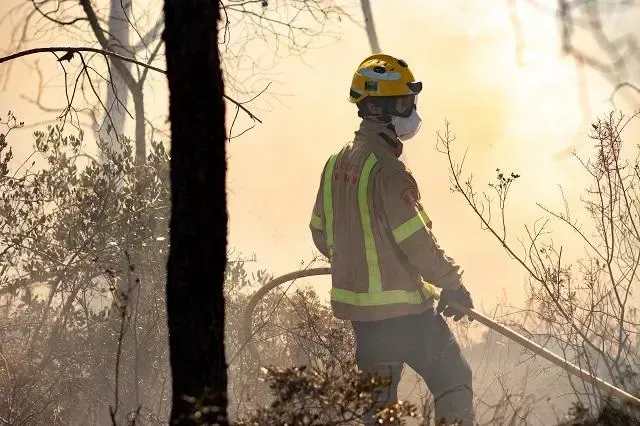
Developers like pizza and soda (it’s a necessary fuel base combo), but they also need a purpose. This reality is being reflected in the nature of the software coding challenges that we’re currently seeing staged around the globe. Code challenges, hackfests, hackathons and app creator contests used to (before the turn of the last millennium) run with fairly open remits i.e. developers were typically challenged to ‘build something amazing’, in whatever stream they felt the need to follow. In 2020, a lot of people would agree that the planet needs more than just another Twitter, so coder challenges are now reflecting the Earth factor. There are plenty of coder tournaments to choose from. Microsoft has its Imagine Cup, Salesforce has had its various Force.com cloud developer challenges, Oracle has its ‘Code Innovate’ hackfests as does SAP, ServiceNow and a host of the other big players. The open source community has another string of challenges, some of which are listed here by Freecodecamp’s Daniel Borowski. And then there’s IBM. Call for Code IBM’s work in the developer challenge space is known as Call for Code. Now in its third year, this is an initiative created in partnership with the United Nations Human Rights body and the Linux Foundation. The 2020 for Code Global Challenge coincides with the United Nation’s 75th anniversary and sets out to invite the world’s software developers to help fight climate change with open source-powered technology. The fact that IBM is championing open source technologies is no doubt charged by the firm’s 2018 acquisition of Red Hat . Similarly, the fact that IBM is championing initiatives to address climate change is emboldened by the firm’s 2016 acquisition of The Weather Company . Add these factors to the pre-existing IBM stack and you can see why the company has highlighted a code challenge selection pack that includes Red Hat OpenShift, IBM Cloud, IBM Watson (for AI), IBM Blockchain and data from The Weather Company. The goal is to employ technology in new ways that can make an immediate and lasting humanitarian impact in communities around the world. But do software developers really care about climate change? Aren’t they still more focused on pizza, soda and massively multiplayer online role-playing game gaming? An IBM study conducted by Morning Consult surveyed more than 3,000 developers, first responders and social activists across China, Columbia, Egypt, India, Japan, Spain, United Kingdom and the United States and found: 77% of first responders and developers surveyed agree with the statement 'climate change is the single most pressing issue facing my generation’. Should we bring that (arguably somewhat loaded) statistic into question? That may be the first that time software developers have been questioned ‘alongside’ first responders and social activists. These three groups hang out together all the time do they? If it is a flaky statistic directed at a contrived group based upon a preloaded statement, then fine… what we can still takeaway is the fact that younger people across an even a seemingly artificial social cohort do all care about climate change. Let’s move on. Natural disaster preparedness Over 180,000 participants from 165 nations took part in Call for Code in 2019; they created more than 5,000 applications focused on natural disaster preparedness and relief. This year in 2020, Call for Code is challenging applicants to create innovations based on open source technologies to help halt and reverse the impact of climate change. “There is an urgent need to take action against climate change and IBM is uniquely positioned to connect leading humanitarian experts with the most talented and passionate developers around the world,” said Bob Lord, IBM senior vice president of cognitive applications and developer ecosystems. “IBM is determined to identify, deploy and scale technology solutions that can help save lives, empower people and create a better world for future generations.” Lord noted that IBM has been mobilizing throughout the company, from policy commitments on climate, to IBM’s weather forecasting capabilities powered by AI and supercomputers. Special representative of the United Nations Secretary-General (SRSG) for disaster risk reduction Mami Mizutori reflected Lord’s comments by saying that climate change is the most critical issue of our time — with a multitude of localized contributing factors and cascading effects that cannot be solved by a single organization — so, therefore, we (the planet) need a global network to fight this together. IBM Last year’s Call for Code global challenge winning team Prometeo created a wearable device that measures carbon monoxide, smoke concentration, humidity and temperature to monitor firefighter safety in real-time as well as to help improve their health outcomes in the long term. The solution has been developed further through IBM’s Code and Response program and has just completed its first wildfire field test during a controlled burn near Barcelona, Spain. Prometeo was developed by a team comprising a veteran firefighter, an emergency medical nurse and three developers. As recently piloted, the Prometeo hardware-software solution is based on multiple IBM Cloud services. “With 24 million developers in the world, we wanted to challenge... but also contribute back to society,” said Willie Tejada , IBM general manager & chief developer advocate. Tejada explained that Call for Code timeline: In 2018 Call for Code focused on natural disasters. In 2019 Call for Code focused on wild fires and fire fighters. In 2020 Call for Code focused on climate change. “So with the focus now on climate change, we drilling down on the whole root of the problem. IBM has wide-scale access to entire [technology… and other] ecosystems and we have had interest from 165 world countries in relation to this challenge. The winners in the competition get to have IBM work to ‘fortify’ their solutions and see them become more fully developed,” said Tejada. Spanish safety software Salomé Valero is a software developer at Prometeo , the Spanish fire tech start-up which won last year's Call for Code Challenge. Valero explained the rationale behind her team’s software development efforts and said that when firefighters put their lives at risk extinguishing fires, they risk their health for a number of reasons including smoke inhalation. “Because of this, we wanted to build a prototype device for potential global use (and we know that fire fighters all over the world have the same challenges) with onboard software to collect information on the amount of carbon monoxide, heat exposure and humidity that these men and women are exposed to during the course of their job,” said Valero. The Prometeo device is worn on the front of the jacket and collects data from a number of sensors. The data is then downloaded (in fact uploaded) to the IBM Cloud service for analysis. The team developed the firmware on the device and the software console (the user interface) that works with IBM Cloud. The current device connects via a USB cable, but Valero and team are working to develop a next-generation 2.0 device that uses edge computing so that the analytics can be performed in real time while the firefighter is on the job even with intermittent connectivity. “The stereotype of the self-centred developer that doesn’t want to do something that really helps other people on the planet is changing. They used to be worried about pizza and soda… but now they’re widening their view,” insisted Valero. “I should know, I’m one of those developers!” IBM’s Willie Tejada further colored the discussion here by saying that if IBM Call for Code had ‘just’ tabled climate change as the topic of the programme here, then perhaps the interest would not perhaps have been so great. “But what we did was to really challenge the developer – programmers are of course known for their mindset that essentially hinges around the proposition that everything in the world can be solved with software and they love that kind of challenge,” said Tejada. “There’s a wide fabric of data that needs to be managed in this use case. For example in a wildfire arena, if one family refuses to evacuate, that’s as good as the whole town staying… so we’re dealing with both micro and macro views of data… and knowing what both mean ‘in context’ is the only way to take the correct real time action.” Time for change Although this account of the work should be tempered with a degree of skepticism (i.e. developers and first responders are rarely seen in the same takeout joints), it’s clear that IBM is big enough and philanthropic enough to want to promote this type of socially responsible development. After all, for good or bad, we already have Twitter and we already have Facebook, Instagram, WhatsApp, Fortnite, Candy Crush Saga, Angry Birds and Assassin’s Creed… so let’s move on and start saving the planet, charging extra money for plastic bags and looking at polluted city emissions. Once we’ve done all that, we can crack a soda, order a pizza and get gaming. Just recycle your cans, make sure your pizza box is biodegradable and be sure to carbon offset your flight to the gaming convention.
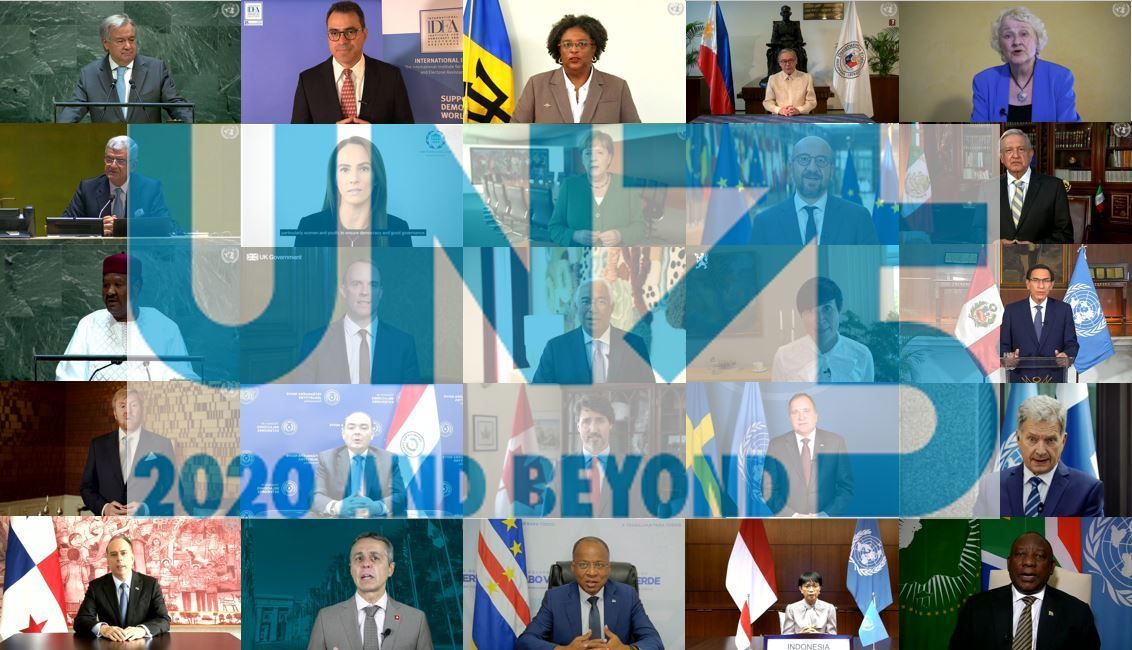
77% of developers and first responders surveyed globally say climate change is the single most pressing issue facing their generation
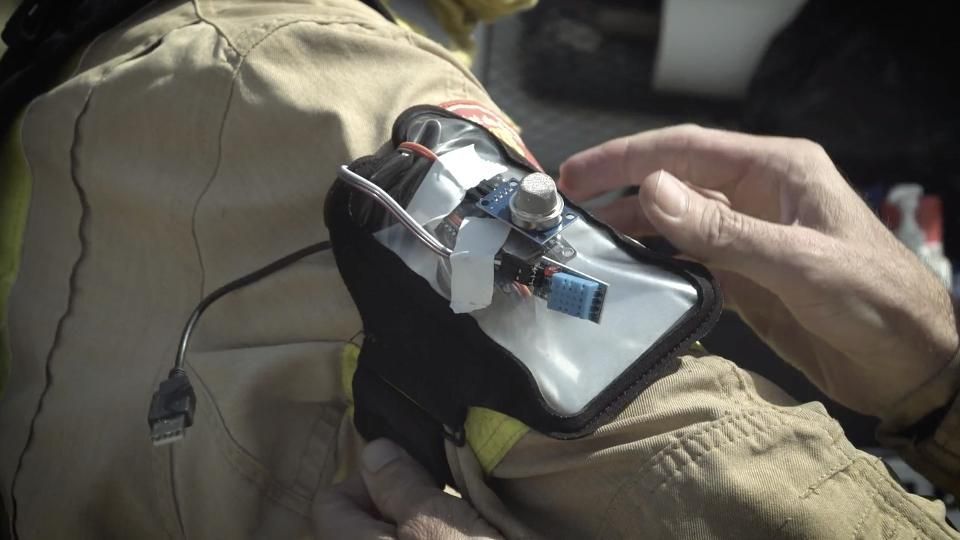
FORBES / By Simon Mainwaring While many companies promote social good initiatives, not all programs are strategically sound or measurably impactful. And while there is no easy […]
The post Purpose At Work: How IBM Partners With Developers To Scale Impact appeared first on David Clark Cause.
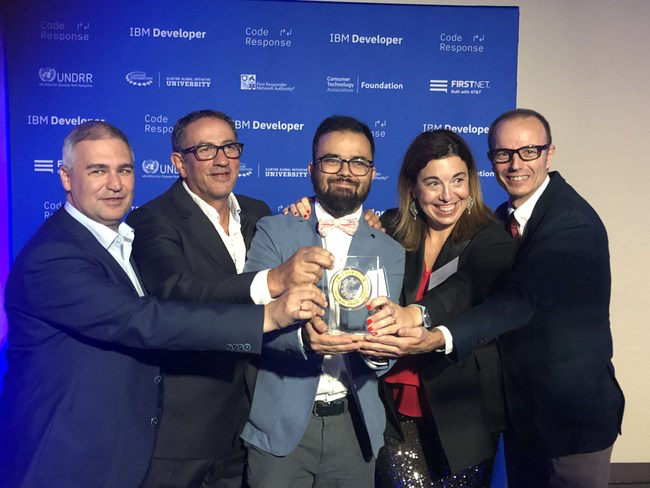
The winning solution, Prometeo, will be deployed through a companion IBM program that is dedicated to tackling some of society’s most pressing challenges.
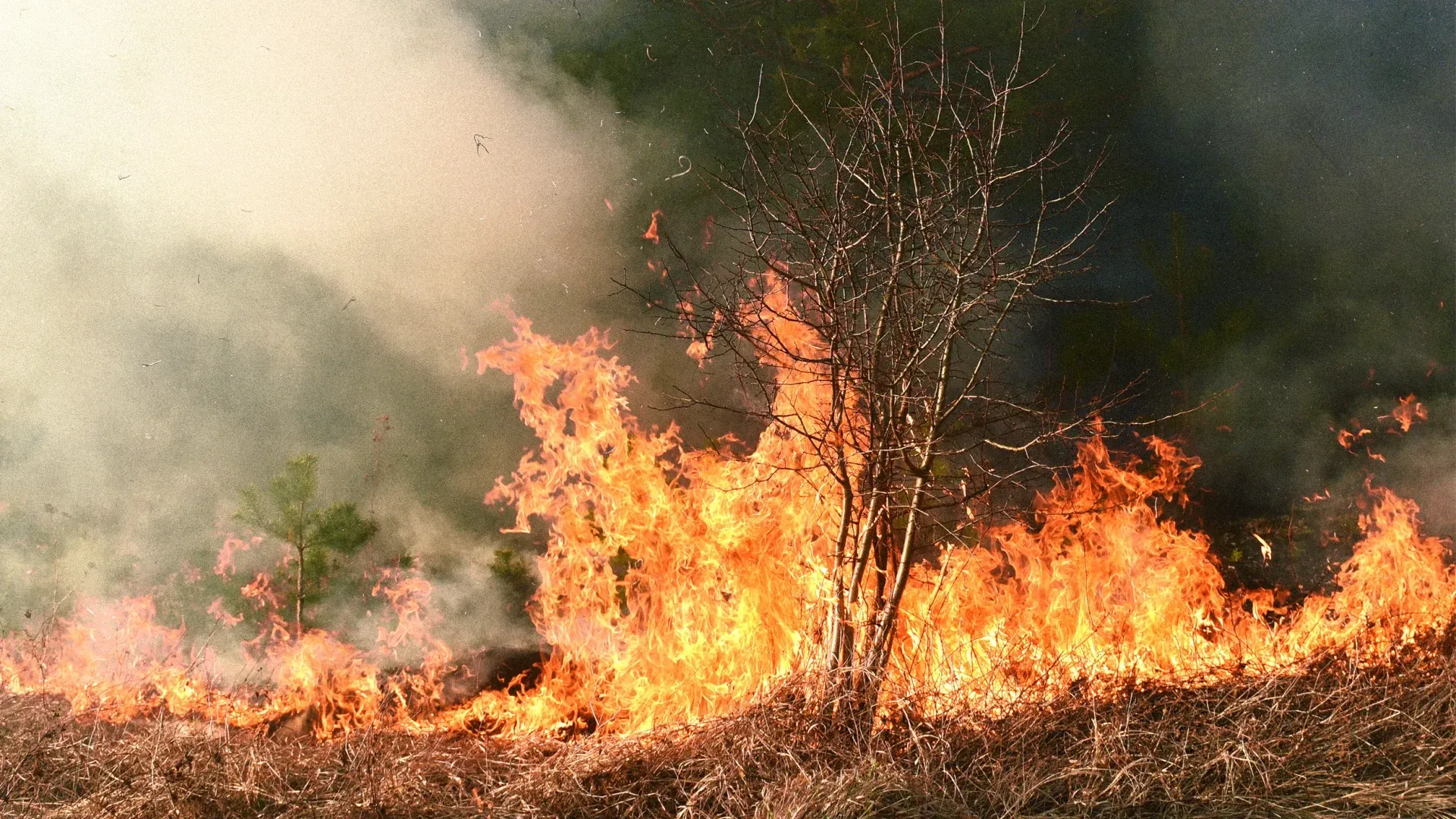
Prometeo, which tracks firefighter’s health and exposure to smoke and toxins in real time, is the winner of IBM’s 2019 Call for Code challenge.
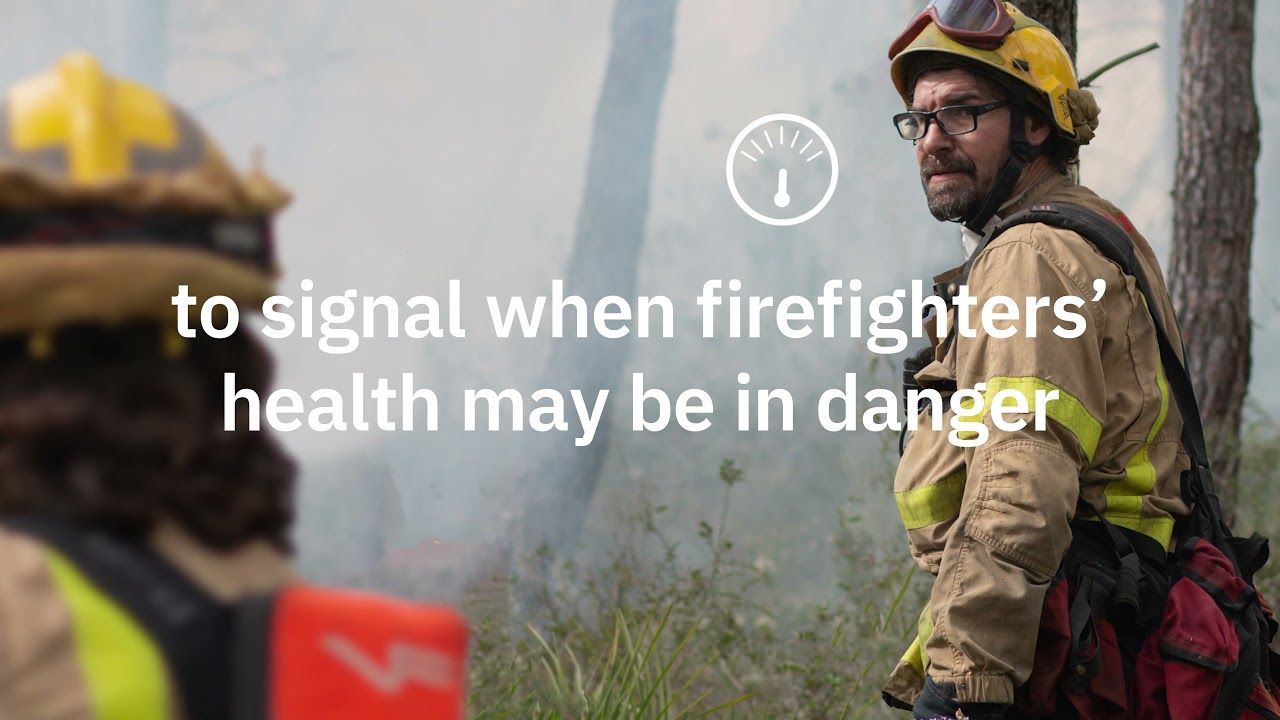
During an event at the United Nations Delegates Dining Room in New York City, IBM unveiled the winners of its annual Call for Code Global Challenge. The competition, which is targeted at computing solutions for global problems, crowned five winners, ranging from first responders to healthcare info. Prometeo took the top prize for its Watson-based AI solution targeted at firefighters. The team, which is led by a 33-year firefighting veteran, has developed a tool designed to monitor health and safety in the industry, both long term and in real time. The Spanish startup developed a smartphone-sized device that straps onto the wearer’s arm to gauge things like temperature, smoke and humidity. “If the color signal is green, the health of the firefighter is okay,” co-founder Salomé Valero explains on IBM’s site. “But if the color signal is yellow or red, the command center must do something. They must take immediate action in order to rescue or remove the firefighter from the fire.” The team is working to roll out the device for testing in Spain, but is currently seeking funding for the project. The $200,000 prize from IBM ought to help out a bit. The second place prize went to India/China/U.S.-based Sparrow, which has developed a platform for addressing physical and psychological health during natural disasters. UCLA’s team, Rove, scored third place with a similar concept. Call for Code is a five-year program that aims to hand out $30 million for teams addressing widespread societal issues.

IBM and David Clark Cause unveil best Call for Code 2019 Global Challenge solutions designed to help mitigate the effects of natural disasters, optimize response efforts, and help promote resilient communities around the world

ENTERTAINMENT TONIGHT By Jennifer Drysdale 1:29 PM PDT, June 6, 2019 Jessica Biel, Cher, Sting, Pitbull and more celebs are using their star power for good. […]
The post Jessica Biel, Cher and More Stars Take the Call for Code Global Challenge on World Environment Day appeared first on David Clark Cause.
Céline Dion, The Jonas Brothers, Robin Thicke, Monica, Little Big Town, Olympic Champions Laurie Hernandez and Apolo Ohno as well as many other social advocates back […]
The post Céline Dion, The Jonas Brothers, Robin Thicke, Olympic Champions Laurie Hernandez and Apolo Ohno back Call for Code 2019 Global Challenge appeared first on Cause Flash.

Entertainment Tonight / By Zach Seemayer Some of the biggest names in entertainment and sports are lending their star power to a good cause. In recognition of […]
The post Jonas Brothers, Celine Dion, Robin Thicke & More Stars Support World Health Day (Exclusive) appeared first on David Clark Cause.
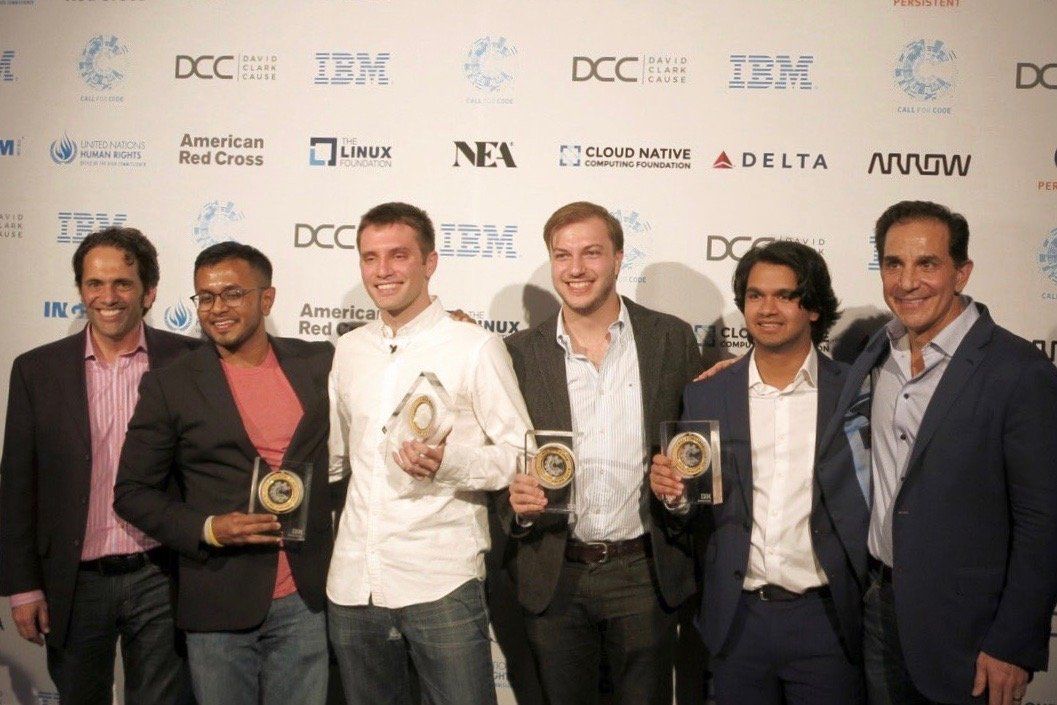
The intersection of tech, humanitarian aid and celebrity voices combine in this unique initiative A Global Code Challenge to help mitigate suffering caused by natural disasters.
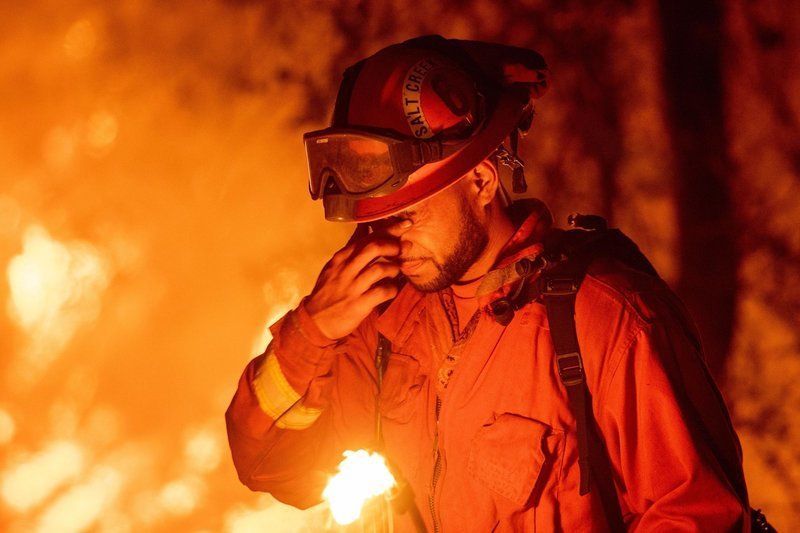
People Magazine / Jason Hahn The world witnessed a slew of natural disasters over the course of 2018.
The O’Reilly Media Podcast: Daniel Krook, IBM developer advocate, on the Call for Code Global Initiative at IBM.
The CNCF, the Linux Foundation, and the entire open source movement would be nothing without community. The ability to come together and foster an ecosystem, develop new, ground-breaking technology, and accelerate innovation is truly inspiring. It’s a testament to the commitment and desire to look beyond their immediate needs and consider what is best for the community at-large (all while balancing the needs and responsibilities of their respective companies). It is with this same spirit of togetherness and community that CNCF lends its support to Call for Code. There is so much more we can do than develop platforms for running business applications, or helping businesses to grow. Developers have the power to save lives. Call for Code challenges developers to create sustainable software solutions that address natural disasters. Developers can use the technology to build for and solve complex global problems that impact societies around the world. Call for Code aims to harness the energy, creativity, and collaborative aspects of our work in open source, proving that we can develop solutions to humanity’s greatest problems. CNCF joins IBM, David Clark Cause, the Linux Foundation, United Nations Human Rights Office and The American Red Cross in making Call for Code a reality. The contest, which awards $200,000 to the winner, is an opportunity to rally developers around a common cause and have a lasting impact. Last year was one of the worst years on record for natural disasters, and the right technology can mitigate the loss of life and property damage. I encourage you to register for the challenge at CallforCode.org , but there are a few more ways that you can get involved immediately: Commit to the cause: Share the message with your followers, your company, your fellow developers, and express your support via social media. You can start by retweeting one of our recent posts: Push for change: Interested in bringing Call for Code to your company in a more formal way? Run a Call for Code Day at your company by signing up here: https://callforcode.org/why-push/ Answer the call: Form a team, join a team, or build a solution solo. Register for Call for Code at CallforCode.org and start building today. Since 2000, natural disasters have directly affected 2.5 billion people, with $1.5 trillion in economic impact since 2003. And over the last 30 years, flooding is up over 240%. As developers, we can help people be more prepared, help them during a natural disaster, and help them recover afterward. We can make communities more resilient together. Call for Code judges include iconic developers like Linus Torvalds, plus leaders from the United Nations Human Rights Office and the National Center for Disaster Preparedness. The winning team and two semifinalists will receive support from The Linux Foundation to host their submission as an open source project and build a community around it, ensuring that it is deployable around the world in the areas of greatest need. Each one of us wields great power as a developer, but together, we’re even stronger. I encourage you to visit callforcode.org today and show the world that developers-and the technology they create-can save lives.
On World Humanitarian Day, Celebrities that include Ellen DeGeneres, Justin Bieber, Trevor Noah, Pierce Brosnan, Kesha, Ryan Seacrest, Alyssa Milano, Joe Jonas, Luke Bryan, Trisha Yearwood, Marcia […]
The post Call for Code campaign tops Social Voice of 920 Million People in support of Natural Disaster Preparedness & Relief appeared first on David Clark Cause.

World Humanitarian Day - Justin Bieber, Pierce Brosnan, Trevor Noah, Ryan Seacrest, Alyssa Milano, Cody Simpson, Logan Henderson, Cyndi Lauper, Marcia Gay Harden, Kesha, Pentatonix and many others to lend their social voices to support United Nations Human Rights, the American Red Cross and First Responders give back in a special way.
The goal of Call For Code is to develop technology solutions that significantly improve disaster preparedness and benefit the initiative’s charitable partners: the United Nations Human […]
The post Join Forces Against Natural Disasters with the Call for Code appeared first on David Clark Cause.
IBM is committing $30 million over five years to a global initiative aimed at addressing social challenges.
IBM is holding a competition to decide which team will come up with the best solution for natural disaster relief, with David Clark Cause.

IBM is calling on the global public and private sectors, including the United Nations and the Linux Foundation, to unite in finding ways of using advanced technology as a means of combating natural disasters as well as humanitarian issues. Partnered with David Clark Cause.

$30 million, 5-year IBM investment unites developers to solve pressing social issues; benefits UN Human Rights Office and Red Cross in partnership with Linux Foundation and David Clark Cause
TEND, Sentinel AI and TRACE, were developed following a global July 30 call by the Office of the United Nations High Commissioner for Human Rights.
UN Human Rights and Call for Code AI Announce the Winners of Call for Code AI: United Against Trafficking A century ago the world promised to end slavery. Nearly fifty million people are still waiting. On the UN World Day Against Trafficking in Persons, three AI solutions — built to disrupt recruitment, speed identification, and help survivors reach justice — are honored.
On the 100th Anniversary of the 1926 Slavery Convention, Call for Code AI and United Nations Human Rights Mobilize the World's Developers Against Human Trafficking Austin AI Hub to lead the global challenge, launching alongside one of the largest international sporting events in modern history and culminating on the United Nations World Day Against Trafficking in Persons.
Call for Code, the global developer initiative founded in 2018 by social impact entrepreneur David Clark, today announced the launch of Call for Code AI — expanding its mission into the era of AI-native systems and responsible, real-world AI deployment.
Winning teams from multiple universities in Kenya, SBA Info Solutions, and Unisys developed AI-powered solutions to address social and humanitarian issues to make a real difference
In its eighth year, Call for Code presents a series of SDG-focused hackathons throughout the year, kicking off with a competition to build AI agents
Boulder, Colorado, USA , 6th March 2025 – Call for Code Creator David Clark Cause, Founding Partner IBM (NYSE: IBM), Global Impact Partner United Nations Human Rights, and Program Affiliate the Linux Foundation call on developers and problem solvers to join the 2025 Call for Code program to develop projects and solutions that employ AI to assist in solving United Nations Sustainable Development Goals (SDGs). Launched in 2018, this initiative unites developers from across the world to develop creative solutions with technology. For this year, the emphasis is on employing Artificial Intelligence (AI) to address challenges such as clean water, climate change, and others. Call for Code is a worldwide tech initiative that invites developers to leverage their talents for the better. It’s endorsed by well-known bigwigs such as IBM and the United Nations Human Rights. The idea is simple: apply technology to make the world a better place. This year, there are five large events referred to as hackathons where groups of developers will get together to address various issues. Each event targets one of the United Nations Sustainable Development Goals (SDGs), such as clean water or climate action. The first event runs from March 20 to March 31. It’s all about developing AI solutions to address clean water problems, which is particularly relevant around UN World Water Day on March 22. Developers have access to world-class AI tools from IBM at no cost. They can develop new skills, connect with others who share their interests, and develop solutions that actually have impact. And, there are awards! The top team at every event takes home $5,000 and gets to visit a major tech conference in Orlando. The top teams even have the chance to vie for an additional $50,000 grand prize later in the year. Technology can be a force for good when applied in the right way. United Nations Human Rights has been backing Call for Code from the start since it is a strong believer in harnessing technology to improve human lives. This movement proves that with the right attitude and capabilities, we are capable of addressing some of the most challenging issues in the world. If you’re interested, you can sign up for the first hackathon prior to March 18. It’s for anyone who would like to contribute, whether you’re a student or a working professional. So, if you’re passionate about coding and wish to apply your skills to give back to society, this is an excellent way to get started and make a tangible difference. In general, Call for Code is all about applying technology to create a better world. It’s an opportunity for developers to collaborate, learn from one another, and develop solutions that can impact communities globally. With the backing of organizations such as IBM and the United Nations, this project has the potential to drive actual change. Whether you are an experienced developer or just beginning, becoming a member of Call for Code can be a great way to leverage your skills for a good cause.
The 2025 Call for Code program kicks off with AI-focused hackathons, empowering developers to create solutions for humanitarian challenges using IBM’s watsonx AI and cloud technologies.
“Unprecedented advances in digital technology, including generative artificial intelligence, offer us previously unimaginable opportunities to move forward on the enjoyment of human rights and contribute to rescuing the 2030 Agenda,” UN Human Rights Chief Volker Türk said in his vision statement, “Human Rights: A Path for Solutions.” As AI continues to evolve and impact all areas of society and our daily lives, UN Human Rights is collaborating with countries, companies, and civil society to embed a rights-based approach to technological innovation. This means ensuring its use considers human rights implications and impact, and that effective guardrails to prevent rights abuses are in place, in line with the UN Guiding Principles on Business and Human Rights . It also means supporting initiatives that pilot and use AI to solve real world challenges that put humans at the center. For instance, AI-powered technology projects that address inequality in schools, improve learning tools for underserved students, and recycle clothing waste to help local communities boost their income. These are actual examples of AI for Good work emerging from a global project backed by UN Human Rights. Launched in 2018, Call for Code is an initiative driven by the David Clark Cause, founding partner IBM, affiliate partner Linux Foundation, and UN Human Rights to mobilize tech developers from around the world to find human rights-based solutions to today’s most pressing challenges. Now entering its 8th year, Call for Code has emerged as the largest Tech for Good initiative of its kind. “When new technologies such as AI are grounded in human rights, they can be a force for good to help drive sustainable development and promote human-centred tech, benefitting everyone,” said Anwar Mahfoudh, who heads the Innovation and Analytics Hub at UN Human Rights. The 2024 winners of the Call for Code challenge included teams that used AI technologies and open-source AI models for different projects that promote equality, dignity, and fairness. GoBang, a group of students from Georgia Institute of Technology and University of Michigan, USA, developed an AI dashboard for course planning in underfunded schools. KindThreads created an AI-powered platform to categorize used clothes and provide data-driven recommendations on how they can be recycled. T-Chai developed an AI-powered homework tutor that provides learning resources for underserved families. “This year's impressive winners used AI-powered technologies to address community challenges that tackle big SDG and human rights-related problems. Their remarkable solutions not only inspire hope but also reaffirm our shared commitment to leaving no one behind in the fight for justice and equality,” added Mahfoudh. UN Human Rights provides expertise and guidance on adopting a human rights-based approach to the development and deployment of technologies, including AI. In June 2024, UN Human Rights established its Innovation and Analytics Hub to help address pressing human rights challenges and advance the 2030 Agenda by leveraging digital transformation, data and analytics, and innovation to create sustainable solutions that enhance the promotion and protection of human rights.
Winning teams from Georgia Institute of Technology, University of Michigan, Persistent, and independent consultants developed AI-powered solutions to help improve equitable access to essential resources and opportunities
pplications are now open for the 2024 IBM Call for Code Global Challenge. Be a part of a new era in responsible AI. Use your skills to improve equitable access to essential resources and opportunities for all people. You could win prizes and help show the world that AI can be trusted and used responsibly. Started in 2018, Call for Code is the largest tech-for-good initiative of its kind. We invite developers and problem-solvers from universities, startups, and enterprises around the world to build and contribute to innovative technology solutions that address social and humanitarian issues, while ensuring top solutions are deployed to make a real difference. Help show the world that AI can be trusted and used responsibly. How can generative AI technology improve equitable access to essential resources and opportunities for all people? Requirements IBM is calling all university students, developers, and problem solvers to join Call for Code. From the annual Global Challenge to additional events throughout the year, as well as ongoing open source projects, there are many ways to get involved. Participate in the ways that are right for you and build skills while making meaningful change. There are many ways you can build a great team, but the most successful teams often bring together diverse skill sets to design unique and impactful solutions. Consider problem-solvers with varied experience when assembling your team. Prizes Teams of 1-5 people can compete for the following prizes: Grand prize winners Grand prize $50,000 USD Option for solution implementation support from the Call for Code ecosystem Opportunity for open source support from The Linux Foundation First runner-up $25,000 USD Opportunity for open source support from The Linux Foundation Second runner-up $10,000 USD Opportunity for open source support from The Linux Foundation University grant $30,000 USD total to the top scoring university team’s school(s) Any university students in the top 3 winning teams are also eligible for: Exploration of IBM job opportunities Option to be matched with an IBM mentor In addition to prizes, participants can grow their AI, cloud, and other emerging tech skills through access to expert technical mentors, training resources, and events. Judging criteria Each submission will be scored based on the following criteria with a minimum score of 0 and maximum score of 20 points, with the final score being the average of the judges’ scores. Completeness and transferability (5 points) Effectiveness and efficiency (5 points) Design and usability (5 points) Creativity and innovation (5 points) For More Information: Visit the Official Webpage of the IBM Call for Code Global Challenge
Now in its seventh year, Call for Code challenges developers and university students worldwide to build AI-powered solutions to help historically underserved and vulnerable people access essential needs
BOULDER, Colo., December 18, 2023 /3BL/ - New AI-powered technologies related to agriculture issues ranging from contaminated soil and crop management to food waste were selected as winners of the sixth annual Call for Code contest. The Grand Prize-winning teams will each receive $50,000 USD, as well as solution implementation support from the Call for Code ecosystem, including founding partner IBM and Arrow Electronics. The developer and university winners will receive assistance from the Linux Foundation to open source their application. The 2023 winners include: The Global Challenge Developer Winner is AGNO, a team from Hexaware Technologies who developed the FARMISTAR platform. The team aims to help small farmers stay up to date with weather forecasts and AI-driven crop management strategies. The 2023 Call for Code Global Challenge University Winner is Phyto , a group of students from University of Sydney. They built an AI-powered geospatial and weather analytics tool designed to help farmers rehabilitate contaminated soil naturally. The 2023 Call for Code Global Challenge Independent Software Vendor/Startup Winner is Synergy Squad, a team from Persistent who built Offshelf , a solution designed to help households reduce food waste. Through the platform, people will receive notifications before a product expires to notify them that a food item needs to be used by a specific date. Created by David Clark Cause, Call for Code has become an annual rally call for developers around the world to come together and think creatively about how to help solve the world’s largest problems with technology. Call for Code helps participants gain skills in AI and hybrid cloud technology by offering access to build with technology from supporters including IBM, Red Hat, and Arrow, as well as U.N. Human Rights. About Arrow Electronics: Arrow Electronics guides innovation forward for over 220,000 leading technology manufacturers and service providers. With 2022 sales of $37.1 billion, Arrow develops technology solutions that help improve business and daily life. Learn more at arrow.com . About Call for Code Developers have revolutionized the way people live and interact with virtually everyone and everything. Where most people see challenges, developers see possibilities. That's why David Clark, the CEO of David Clark Cause, created Call for Code in 2018, and launched it alongside Founding Partner IBM and Charitable Partner United Nations Human Rights. In 2022 Call for Code was selected as the preferred innovation platform for the Right Here, Right Now Global Climate Alliance, the largest public/private initiative in the world promoting climate justice.
Today, Call for Code Creator, David Clark Cause, Founding Partner IBM, Charitable Partner United Nations Human Rights, and Program Affiliate the Linux Foundation announced the winners of the sixth annual Call for Code Global Challenge.
The programme seeks, with partners IBM, the UN and the Linux Foundation, to encourage innovative solutions to some of the day's major environmental issues
The 2023 Call for Code Global Challenge, an annual initiative that encourages developers to create projects that combat climate change with AI-powered technology, officially kicked off this week.
Entering its sixth year, Call for Code introduces multiple challenges for global community of developers and students, and launches new initiative for startups and ISVs
The 2023 Call for Code program has been launched by Call for Code Creator, David Clark Cause , IBM, the United Nations Human Rights , and the Linux Foundation. This year, the program aims to challenge global developers, students, and startups to develop AI-powered technology projects that will address sustainability issues such as reducing pollution, improving resource management, and protecting biodiversity. The Call for Code Global Challenge was created in 2018 by David Clark, the CEO of David Clark Cause, alongside IBM and the United Nations Human Rights. In 2022, the challenge was selected as the preferred innovation platform for the Right Here, Right Now Global Climate Alliance , the largest global public/private initiative promoting climate justice. The 2023 Call for Code Global Challenge will differ from the previous year's format. This year, the challenge will transition from a single, annual global challenge to multiple "rounds" throughout the year, each with its own prizes and funding of up to $1.4 million. Solutions should address at least one sustainability issue, such as: Improve the ability to measure, analyze, or take decisive action on carbon emissions Address issues of water scarcity and quality Improve supply chain transparency and traceability to bring fast and accurate visibility to sustainability issues where they arise A full list of topics within the sustainability theme can be found on the Call for Code Developer Challenge website. The first round of the challenge will open on March 1 and run through April 7; interested teams can register here . The winners of each round will be eligible to win a grand prize at the end of the year, which will include open source support from the Linux Foundation. The Call for Code program helps participants gain skills in technology such as AI and Cloud by using open-source-powered software such as Red Hat OpenShift, IBM Cloud, and IBM’s embeddable AI portfolio, including IBM Watson Assistant. The Call for Code for Startups program is a new initiative that aims to connect startups, independent software vendors (ISVs), and venture capitalists (VCs) with select enterprises around new business opportunities. Participating startups and ISVs will create solutions using IBM AI technology that address a specific sustainability need chosen by each enterprise. The 2023 Call for Code program is an opportunity for developers, students, and startups to use their skills to help solve some of the world's most pressing problems. The new format of the challenge, which includes multiple rounds and prizes, will empower even more developers to make an impact using open-source AI technology. The Call for Code for Startups program is also a great opportunity for startups and ISVs to connect with enterprises and create solutions that address specific sustainability needs.
A team of four Augustana University students has been named the grand prize winner in a global coding competition.
Call for Code founding partner IBM (NYSE: IBM), creator, David Clark Cause, charitable partner United Nations Human Rights, and program affiliate, the Linux Foundation announced the winner of the fifth annual Call for Code Global Challenge
Organizers of the fifth annual Call for Code Global Challenge have launched their annual invitation to software developers from around the world to create open-source solutions that accelerate sustainability and combat climate change.
Organizers of the fifth annual Call for Code Global Challenge have launched their annual invitation to software developers from around the world to create open-source solutions that accelerate sustainability and combat climate change. Given the growing animus toward so-called Big Tech in some quarters and what I think can fairly be described as generalized opposition to technological innovation, it’s never been more important to remind the world that tech can be an incredibly powerful force for good. The annual Call for Code has grown since the first challenge was announced to become one of the world’s largest “tech for good” programs. It now attracts developers from 180 countries responding to this clarion call to use advanced technologies to design cutting-edge open source-powered hybrid cloud and AI solutions that can tackle the world’s most pressing societal issues. There’s a refreshing idealism in this program. Call for Code participants are invited to identify the particular sustainability issue they want to solve, form a team, and start building by registering on the new Global Challenge resource site hosted by BeMyApp . Once they’ve registered, participants will be able to attend Challenge Accelerator events to help fast-track their projects, learn from subject matter experts, access exclusive skills-building materials, and use exclusive toolkits, APIs, and data sets from The Weather Company and participating IBM Ecosystem partners. But that idealism is undergirded by a pragmatic understanding that we need technology to address problems that are having a global impact. Ruth O. Davis, director of the Call for Code Challenge in IBM’s Worldwide Ecosystems group, put it succinctly in a press release, “Technology is the catalyst for scaling solutions to global problems,” she said, “from climate change to humanitarian issues, and even the global pandemic.” “Of course, the people who participate in the Challenge are idealists in some ways,” Davis told me in an interview. “They’re very passionate about what they’re doing and want what they’re doing to make a difference. But they also know they need resources to make that happen.” The awards to the winners of this year’s competition are commensurate with the stakes (you know, saving the world). The Grand Prize is $200,000 plus solution implementation support from IBM Ecosystem partners. First runner up gets $25,000, and third and fourth runners up get $10,000. It’s big money focused on solving big problems. But even those participants who don’t manage to nab the brass ring have access to some incredible resources while they develop their ideas. They get a trial IBM Cloud account for 2022 that provides access to many free services without a credit card, including the ability to create Kubernetes clusters. They have access to toolkits, APIs, and data sets from Call for Code sponsors. And there are expert webinars, skill-building plans, and even mentorsavailable. Among the most exciting components of this program are the Challenge Accelerator events. Each Accelerator is a roughly two-week competition designed to help fast-track participants’ projects towards submission to the Global Challenge. (Global Challenge submission is not required). Each participant builds a project to address a specific and targeted use case under the theme of “Sustainability.” Each Accelerator is different; some may include technical workshops, mentoring, and additional educational content. And participants may be eligible for additional prizes. College students will also have the opportunity to compete for the University Prize in a program created by IBM and the Clinton Global Initiative University . In 2021, more than 90,000 students across hundreds of universities around the world surpassed the program goal by nine times, the organizers said. David Clark, the CEO of David Clark Cause, is the original Call for Code organizer. He founded the program in 2018, and launched it with IBM, the United Nations Human Rights group, and the Linux Foundation. The list of organizations supporting Call for Code this year includes: Arrow Electronics , Clinton Foundation and Clinton Global Initiative University , Clemson University , Esri , EY , Ingram Micro , Intuit , the Linux Foundation , Morgan Stanley , New Relic , Persistent Systems , Teach For All , United Nations Human Rights , and United Nations Office for Disaster Risk Reduction , among others. It's worth noting, too, that Call for Code has been selected as the preferred innovation platform of the Right Here, Right Now Global Climate Alliance, one of the largest public/private climate partnerships in the world. Solutions can be submitted to this year’s event any time before the deadline of October 31, 2022. You don’t need to be on an existing team to participate. The organizers will be hosting a team building session to help participants form and build teams.
I am always amazed at the impact we all have coming together, using our collective talents for good. Combining our collective brain power, skills, time, and resources produces stellar results – maybe it is better rendering management for films that entertain with mind-bending CGIs or improving automated software testing and deployment so developers can spend more time on innovation . Human ingenuity is amazing! Imagine our impact when we come together for good. When we see communities who need a collective leg up in life, or when we see injustice and foresee ways to balance the scale, or when we see the devastation in the wake of natural disasters and know there is a better way. We want to make the lives of everyone better – it might seem daunting, but innovation is bred from not knowing what you can’t do. Facilitating this drive to help is what the Call for Code ® project is about. It is, “creating and deploying open source technologies to tackle some of the world’s greatest challenges.” It is about thinking beyond yourself – using your talents to help others. Call for Code was created by David Clark Cause with Founding Partner IBM and in partnership with United Nations Human Rights and The Linux Foundation . The goal is to inspire “developers to create practical, effective, and high-quality applications that can have an immediate and lasting impact on humanitarian issues as sustainable open source projects.” The Linux Foundation helps take the raw innovation and put in place the right tools to enable an impact across the world: instill best practices, engage external partners, provide feedback, and test them in the real world. Call For Code 2022 The Call for Code 2022 is now open for registration. The focus this year is on sustainability. Do you have an idea to improve sustainable production, consumption, and management of resources, reduce pollution creation, and protect biodiversity? Keep reading. You don’t have a world-changing idea. Keep reading – you just might light a spark of ingenuity. For this year, specifically, your solution should address: carbon emissions; clean energy; supply chain transparency and traceability; water scarcity and quality; reducing waste footprints; biodiversity; food insecurity; and education access and job opportunities to further environmental justice. And, no, this isn’t just for software developers. Each well-rounded team needs builders, designers, communicators, and humanitarians. There is a total of $285,000 in prizes, all winners will receive open source support from The Linux Foundation, and all participants will receive a variety of support, such as IBM Cloud services, accelerators, expert webinars, mentors, and more. Registration opened April 26, 2022 and final submissions are due October 31, 2022. Visit callforcode.org for detailed information and requirements and to register. Call For Code 2021 Winners Do you still need some inspiration? Take a few minutes to read about the 2021 winners. Half of the projects focus on racial justice – and those are the ones I want to take a moment to highlight. If you see one that inspires you, click through to learn more and for ways you can contribute: Fair Change allows people to easily record public safety incidents in a safe and secure way with a goal of more transparency, reeducation, and reform. TakeTwo utilizes machine learning to highlight potentially racially insensitive language on websites you are browsing in Chrome. Legit-Info provides information on policy proposals at various levels of government. It communicates the potential impact without legalese and facilities sharing opinions with policy makers. It also gives policy makers visibility into how diverse citizens will be impacted. Open Sentencing helps public defenders understand and document any racial disparities in the judicial system. Five Fifths Voter helps remove impediments to voting by providing information on voter registration, voter ID laws, restrictions, purging, gerrymandering, and tools that make it easier to vote, such as childcare at the voting stations. Incident Accuracy Reporting System enables victims and witnesses to contribute to incident reports to help give law enforcement and the public a 360-degree view of events that took place at any incident. It utilize Hyperledger blockchain to ensure transparency, trust, and that information can’t be altered. Truth Loop is a mobile-friendly tool to see pending legislation, learn about it, record your own story related to the legislation and its impact, and share that with policy makers. Call for Code also has seven other projects related to natural disasters and stemming the impact of climate change, including monitoring the real-time air health for wildland firefighters, democratizing earthquake monitoring, inspecting buildings, facilitating drone canvassing and delivery of supplies following a natural disaster, and helping farmers optimize water use. Finally – they have a project, Rend-o-Matic , that enables musicians to remotely record their individual track in a composition and stitches them all together into the final, virtual performance. Join A Call For Code Project Let’s show the world the impossible is possible. Call for Code is making a difference! Are you experiencing some FOMO? Want to join in? Good news – fear no more. You can! And you don’t even have to be a technical person. Besides the need for a wide range of technical specialists, the projects can also utilize individuals for documentation, testing, design, UI/UX, legal, subject matter experts, advocacy, and community building. Just head over to our Call for Code page and help work on these projects. Let’s show the world the impossible is possible.
David Clark Cause, IBM, United Nations Human Rights, and the Linux Foundation today officially launched the 2022 Call For Code.
David Clark Cause, IBM, United Nations Human Rights, the Linux Foundation and more to support Call for Code developers from 180 nations with open source-powered hybrid cloud and AI solutions
This year’s Call for Code hackathon will focus on climate change and rally developers to come up with innovative solutions to one of humanity’s biggest challenges. Call for Code was created by David Clark Cause in partnership with IBM . Other major partners include the UN Human Rights Office and the Linux Foundation . “Technology is the catalyst for scaling solutions to global problems – from climate change to humanitarian issues, and even the global pandemic,” said Ruth Davis, Director of Call for Code at IBM. “IBM along with Call for Code and these ecosystem partners are dedicated to taking on the complex challenge of sustainability and encourage problem-solvers around the world to take part.” Additional organisations supporting this year’s event include Arrow Electronics , Clinton Foundation and Clinton Global Initiative University , Clemson University , Esri , EY , Ingram Micro , Intuit , Morgan Stanley , New Relic , Persistent Systems , Teach For All , UN Office for Disaster Risk Reduction , and many others. The hackathon is now in its fifth year and has created a community of more than half a million developers, students, and problem-solvers across 180 nations. Participants can use some of the world’s most powerful tools to solve some of its biggest problems including Red Hat OpenShift , IBM Cloud , IBM Watson , IBM LinuxOne Community Cloud from IBM zSystems and IBM Blockchain , as well as APIs from IBM’s The Weather Company . This year’s event has been selected as the innovation platform for the ‘ Right Here, Right Now Global Climate Alliance ’—designed to be one of the largest public-private climate partnerships in the world. The alliance is keen to frame climate change as much as a human rights crisis as an environmental catastrophe. “From rising sea levels, extreme weather events, wildfires, and droughts, to food insecurity, health impacts, mass migrations, and increasing global conflict, there is no denying that climate change is a humanitarian crisis,” said Bill Stark, Chief Impact Officer of the Right Here, Right Now Global Climate Alliance. “With its global reach and history of success over the years, we’re excited to work with Call for Code, as it has proven to be the gold standard when it comes to engaging developers around the world to innovate for social good.” Any budding participant should begin thinking about what particular sustainability challenge they want to tackle. After building a team, they can register here and get to work on creating their solution to improve the Earth’s long-term prognosis. The Grand Prize winner of this year’s event will receive $200,000 along with solution implementation support from IBM Ecosystem partners. “As the Global Challenge opens today, we’re excited to utilise our expansive platform to help people in need by calling on developers worldwide to innovate software that can mitigate and reverse the effects of climate change through sustainable solutions,” said David Clark, CEO of David Clark Cause and Creator of Call for Code. Call for Code kicks off today (26 April 2022) and the deadline for submissions is 31 October 2022.
The 2022 Call for Code Global Challenge is officially underway.
Created to combat water quality-related deaths, the Saaf Water sensor and analytics platform for rural localities wins 2021 Call for Code Global Challenge
Winners of the 2021 Call for Code Global Challenge were announced Tuesday night in New York.
IBM and David Clark Cause just announced Saaf Water as this year’s 2021 grand prize winner!
Samsung and IBM continue to build upon long-standing strategic partnership with challenge for developers using Samsung and IBM technology
The global impact of climate change and the need for drastic action become clearer every day. The far-reaching and devastating effects of climate change are in front of everybody’s eyes. The most pressing global issues of our time can be addressed by deploying new ideas in combination with good old-fashioned competence. Everybody can make a difference, but for developers there’s a special challenge – a chance to prove themselves at a global level while building and enriching skills. IBM has been part of the Call for Code Global Challenge for a long time–2021 marks the fourth year of their support for the initiative. Many of the changes that make the most difference will be found in the form of ideas coded in software. “Real code helping real people” is one of the key mottos used to promote this approach. Call for Code actively supports the best solutions to bring technology to communities in need, in partnership with the Linux Foundation and the United Nations. The Call for Code community includes over 400,000 developers, data scientists, and problem solvers from 179 nations. Contributors from around the world have created more than 15,000 apps for humanitarian issues. The most challenging scenarios for the Earth and her people are laid out in the list of seventeen Sustainable Development Goals compiled by the United Nations. The IBM Call for Code Global Challenge 2021 and its three tracks ( Zero-Hunger , Clean Water , and Production ) is described in this article . A full year of competition The Call for Code schedule is a full year of dates and events that allow ingenious developers and creative minds to expand their scope to the global level. CFC 2021 Key Dates in 2021 include the Challenge opening on March 22nd, World Water Day. Submissions Close on July 31st, and Finalists are announced on October 5th. The final official step, the announcement of the Winner, will take place on November 16th at the Global Award Celebration. Judges The European finalists will be judged by a European team of judges , including: Prof. Tuula Tuhkanen, University of Jyvaskylä, Department of Biology and Environment Science; Marc Peters, Distinguished Engineer and CTO Energy, Environment & Utilities Europe, IBM; James Robey, Global Head of Environmental Sustainability, Capgemini; and Timo Wielink, Head of Product Development Project OWL, a previous winner. Timo’s experience provides the best possible testimonial to the step-up that the IBM Global Challenge can offer to ingenious minds. The inspiring story behind his prize-winning ‘Project Owl’ can be read in a previous article . Bente’s Heroes, a Regional winner Call for Code’s Regional Winner Europe is TheHeroLoop , a responsive Web3.0 web app that uses AI to match volunteers – called Heroes, with citizens in need – called Loopers. Everyone can be a hero, and every “looper” can create a hero by repeating requests for help. Citizens anonymously login, using a Hiro wallet, and are rewarded in various ways for doing good deeds. The app is a place to be matched with others with the same interests—somewhere you can contribute to your community’s health and well-being, and help our world reach the UN’s SDG goals for 2030. The team received $10K and solution deployment support from IBM Dev Advocates to make their solution available to everyone. Bente Acking, Founder of The Hero Loop, helps to clarify what the Call For Code Global Challenge means in practice. “If you have an idea, don’t let anything stop you!”, suggests Bente, demonstrating her strong commitment to success. “I had just won a hackathon on Covid and the use of AI, so I decided to join CFC”, Bente explains, confirming one of the scouting patterns that often leads to participation in the challenge. “I knew Slack very well from having worked with it for a long time”. Communication skills are essential to effective team building, a task that Bente has really mastered. “I was indeed surprised by the variety of people and skills I found this time. In particular, I was looking for two skills, one designer and one data scientist, and I found them in a short time”. The Hero Loop is about connecting volunteers around the world with local people in need, securely, and without tracking any personal data. A safe and secure encrypted blockchain authentication ensures privacy is protected, so everybody is anonymous in TheHeroLoop. TheHeroLoop matches individuals in need (Loopers) with volunteers (Heroes) based on their location within a 20 kilometer radius, and can be used worldwide. The app provides Loopers with the option to ask for a specific task to be done and allows them to specify a certain time. “We are inclusive”, the website proudly states; “if you don’t have Internet, or don’t like to use it, it’s possible to call a number with your button phone to get help within your zip-code area”. Bente had an idea but didn’t have the resources or expertise to build the app by herself, though she knew how to cope with this. Bente’s conclusion is that anyone with an idea that fits the competition theme can join the community and work with others to build a team, submit an entry, and continue developing the project. One important part of participating in world-class challenges is connecting with the organization—preparation of paperwork, submission preparation and all the other necessary steps. “It took time to submit, describing everything with the asked detail, but it was a great time. Jury member panel and all IBM people in general were amazing.” Inspiring stories from other participants are always moving. It seems like a sense of wonder catches hold of everyone who enters this Challenge. “I myself experienced a sense of wonder getting inside CFC”, the inventor of The Hero Loop tells us. “C4C is a totally different experience from any other hackathon-like event I have ever seen. People from Ghana, Congo, India… different areas, different mindsets: participating in C4C was like starting a trip. Everything is stretched out in CFC. We got to know each other.” That depth of knowing each other allows the community to grow fast. The Hero Loop grew based on more than thirty people spending their free time on the project. “I now raised money myself through taking on a consultant role to pay our people, totalling 100,000$”, confesses Bente, underlining what a determined developer can achieve. The final steps of The Hero Loop’s Project were always going to be the most important. The staff is giving the silverware its final polish, i.e., finishing the testing, in September. Three pilots have been discussed to start with: in the Swedish city of Helsingborg, in Nairobi, capital city of Kenya, and in New York City. “It’s all about helping people, allowing communities to grow, and making the world a better place.” Technically speaking, the team makes use of a wide range of the best pieces of open-source software available today. The key services used in their solution are: IBM Watson Tone Analyzer IBM Watson Personality Insights IBM Watson Assistant Red Hat OpenShift on IBM Cloud EventStreams on IBM Cloud OpenShift in particular is one of the most interesting technologies used in developing the Hero Loop solution.
With the backing of the Clinton Global Initiative, the partners are calling on the open-source community to help the Caribbean island implement economically friendly EEW systems.
Carole King, Rod Stewart, Melissa Etheridge, Sia, Kesha also join call for developers to create solutions to climate change issues
May 11, 2021 — Esri, the global leader in location intelligence, today announced it is joining the fourth annual Call for Code Global Challenge. Created by David Clark Cause and launched in partnership with IBM, United Nations Human Rights, and the Linux Foundation, Call for Code is designed to make an immediate and lasting global impact on humanitarian issues, using open-source-powered technology. In this year’s competition, software developers and innovators around the world will take on climate change with open-source software, including Red Hat OpenShift, IBM Cloud, IBM Watson, IBM Blockchain, and data from The Weather Company. Since Call for Code was launched in 2018, more than 400,000 developers and problem solvers across 179 nations have participated, creating more than 15,000 applications. This year’s competition focuses on three sub-themes related to combating climate change: water availability and consumption, food production and delivery, and economic production and consumption. The winning team will receive $200,000 and support from the IBM Service Corps, technical experts, and partners—to develop their technology, make their code available for anyone to use in open-source, and deploy their solution on the ground in communities around the world. For its role in the Call for Code Global Challenge, Esri has made its geospatial analytics software and resources available to each participant, including the following: A free ArcGIS Platform developer account. A $100 voucher applied to the participant’s ArcGIS account, allowing them to kick-start their solution with cloud hosting, analytical processing, and location services (This is available to the first 100 participants.) Access to dedicated community support where participants can connect with mentors that can help them accelerate app development. “Esri has just released a location platform as a service product that makes it easy for software developers to access geospatial technology,” said David Cardella, Product Manager—Developer Technologies, Esri. “Some of the most exciting ways users are putting our software to work is in creating apps that help meet challenges related to climate change. We are excited to introduce our flexible, scalable location services that make content and capabilities available to developers who are building the next generation of geospatial solutions.” “We are excited to work with Esri and our global ecosystem throughout the 2021 Call for Code Global Challenge to drive, incubate, and deploy solutions that will combat climate change,” said Willie M. Tejada, IBM Chief Developer Advocate and General Manager ISV/Build Ecosystem. “Climate change is a monumental challenge and demands the participation of world-renowned humanitarian experts, business leaders, and technology partners like Esri to have an immediate and lasting effect.” What makes Call for Code unique is the impact it is making on the ground through deployments in communities around the world. Last year’s winning solution, Agrolly, was designed to support small farmers by providing climate and crop predictions and recommendations. The agriculture industry is one of the most vulnerable to climate change due to its dependence on rainfall and temperature. Since October, the Agrolly team has expanded the solution to new markets and provided hands-on training to more than 500 rural farmers in Mongolia, India, and Brazil, who are testing and using the app to fight the effects of climate change. About Esri Esri, a global market leader in geographic information system (GIS) software, location intelligence, and mapping, helps customers unlock the full potential of data to improve operational and business results. Founded in 1969 in Redlands, California, USA, Esri software is deployed in more than 350,000 organizations globally and in over 200,000 institutions in the Americas, Asia and the Pacific, Europe, Africa, and the Middle East, including Fortune 500 companies, government agencies, nonprofits, and universities. Esri has regional offices, international distributors, and partners providing local support in over 100 countries on six continents. With its pioneering commitment to geospatial information technology, Esri engineers the most innovative solutions for digital transformation, the Internet of Things (IoT), and advanced analytics. Visit us at esri.com . About Call for Code Global Challenge Developers have revolutionized the way people live and interact with virtually everyone and everything. Where most people see challenges, developers see possibilities. That’s why David Clark, the CEO of David Clark Cause, created Call for Code in 2018, and launched it alongside Founding Partner IBM and Charitable Partner UN Human rights. Since then, Call for Code has scaled to include an annual University Challenge in addition to regional prizes and the creation of Call for Code for Racial Justice. This multi-year global initiative is a rallying cry to developers to use their mastery of the latest technologies to drive positive and long-lasting change across the world through code. Call for Code Global Challenge winning solutions are further developed, incubated, and deployed as sustainable open source projects to ensure they can drive positive change. To learn more about past winners and their progress, visit IBM Developer.
Together with Call for Code Creator David Clark Cause, Charitable Partner United Nations Human Rights, and the Linux Foundation, IBM today announced the launch of the 2021 Call for Code Global Challenge.
The tech company and “GMA” sponsor is creating a better world by using big ideas and breakthrough technology to improve lives.
The 2021 Call for Code Global Challenge, an initiative to combat climate change with open-source-powered technology, is officially underway.
Kenya's Mbali Health are the winners of IBM and David Clark Cause’s 2020 Call for Code Global Challenge. The team emerged the Middle East and Africa regional winners for designing the Mbali Health application that connects patients to care providers in a socially distanced way. Mbali Health team of developers will be awarded a total of $5000 which will go towards future development and deployment of the application. The team aims to include the transmission of voice and images. They will also receive support from IBM’s technical experts. As the winner, Mbali Health also joins Call for Code’s ecosystem, which unites the world’s millions of developers and data scientists to unleash the power of cloud, AI, blockchain, and IoT technologies to solve pressing global problems with sustainable and scalable open source-powered technologies. “We are honoured to have been part of the Call for Code challenge. During this pandemic, we saw the struggle that the patients and clinics were facing and sought to develop a solution. To emerge as the winners in this region is not only humbling but also pushes us to continue creating innovative solutions for the health sector; an area we are very passionate about.” Sam Wilks said, while speaking on behalf of Mbali Health. With the COVID-19 pandemic actively spreading among citizens and with countries facing increased lockdown procedures, it was increasingly difficult for patients to gain access to medical care in a safe and socially distanced manner. Through the Call for Code Challenge, the developers of Mbali Health created a solution for Kenyans powered and secured by IBM Cloud Hyper Protect Virtual Servers and Hyper Protect DBaas with MongoDB, a simple chat interface that gives the patients easy access to healthcare providers through WhatsApp. With over 90% mobile penetration, the easy to use application is effortlessly accessible to a large population of Kenyans allowing for them to interact and receive diagnosis from physicians from the comfort of their homes. The 2020 Call for Code challenge brought together developers, startups, and enterprise developers to create solutions to address the world’s current COVID-19 pandemic in addition to climate change; two pressing issues that have the power to compromise our health, our planet, and our survival. Now in its third year, the Call for Code global competition has generated more than fifteen thousand solutions built using a combination of open source-powered products and technologies, including Red Hat OpenShift, IBM Cloud, IBM Watson, IBM Blockchain, data from The Weather Company, and APIs from ecosystem partners like HERE Technologies and IntelePeer. Since its launch in 2018, this movement has grown to more than 400,000 developers and problem solvers across 179 nations, reflecting the reality that challenges like climate change and COVID-19 demand solutions that work on the local level, but also have the ability to scale and help any community, anywhere. “At IBM, we do our best to apply data, knowledge, computing power, and insights to solve difficult problems. The regional winners, Mbali Health, have embodied the Call for Code Challenge to have developers ambitiously tackle the pressing issues we are currently facing during this pandemic using the power of Cloud, Digital, AI, blockchain, and IoT,” said Caroline Mukiira Country General Manager – East Africa. In addition to the winning team, the Call for Code Challenge had regional finalists from other African countries such as Uganda, Tanzania, and Nigeria tackling education, health, and climate change.
OBJECTIVES IBM has a long history of taking on the world’s biggest challenges because we believe it’s our job not only to innovate but to innovate responsibly. That history is the prime reason David Clark Cause approached IBM to be the Founding Partner of Call for Code, the largest and most ambitious effort to unite and mobilize developers to take on society's most pressing issues. The Call for Code Global Challenge invites the world’s developers to create practical and effective open-source applications based on IBM technology for potential deployment around the globe. Today, the focus of these efforts includes protecting our environment, responding to growing climate change issues and the recent global pandemic that is COVID-19. And because those challenges are experienced differently by different communities, it means crafting solutions that work on local levels that can scale through open source and help communities everywhere. Our research found that 79 percent of first responders and developers agree most people want to do something to help combat climate change but don't know where to start. IBM works with a robust partner ecosystem, including The Linux Foundation, and the winning teams to not merely create innovative ideas, but to develop, field-test, and deploy these solutions in communities that need them most. Through Call for Code, we aim to harness technology and put open source solutions - free for all to use, build upon, and customize - into the hands of those who can create change in communities around the world. STRATEGY AND EXECUTION We know there are millions of developers ready and waiting to answer the call to solve today’s most pressing challenges with the experience, tools, and resources needed to create innovative solutions. They just need to be activated. While we originally focused the 2020 competition on addressing climate change, we quickly recognized the opportunity to tap into the ingenuity and passion of the developer community to respond to COVID-19. We therefore created an additional COVID-19 Call for Code track with an accelerated timeline for the deployment of initial promising solutions. Nearly two months after announcing the expansion of Call for Code to include COVID-19, Bob Lord and Chelsea Clinton announced three early Call for Code solutions to help in the fight against COVID-19: from reducing the strain on medical systems to supporting small businesses and helping us all run errands in a safer way. IBM and our partners are actively working with each of these three teams to develop prototypes and deploy their ideas. Along with the original 2020 challenge and the expansion to include COVID-19, IBM, and the Clinton Global Initiative University also launched a new, dedicated University Edition within the Call for Code Global Challenge for college students to apply their learnings from the classroom to use their ingenuity to contribute to the COVID-19 response efforts. At their core, all developers are problem solvers. We want them to discover and try IBM’s technology, and understand how the same tools they use for business can create a positive impact in society. To help mobilize and grow this movement, while keeping the challenge focused on solving urgent global needs, we designed an integrated marketing and communications campaign to engage our core developer target audience and drive participation. To complement our earned media and event and hackathon strategies, we worked with David Clark Cause to mobilize support from leading celebrities, artists, and athletes and more to amplify our call-to-action over social media. To create a groundswell and cut through today’s noisy social media conversations, we selected a single day to activate and orchestrate having these celebrities engage their Facebook, Twitter, and Instagram followers to promote this cause. We ended up securing over 100 participants – including Lady Gaga, Pitbull, and Gigi Hadid – to rally their social media followers on May 27 to join Call for Code and encourage developers to answer the call. RESULTS Call for Code is based around the central idea that technology should not be a barrier keeping people from making a positive impact in their communities, but rather that it should serve as the catalyst that allows them to do so. Since 2018, this tech for good community has grown to more than 400,000 developers across 179 nations who have answered the call. In the first three years of Call for Code, developers created 15,000 applications focused on natural disaster preparedness and relief and climate change. In March 2020, Call for Code expanded to address the world’s reaction to COVID-19 in addition to climate change. To help drive submissions for the 2020 global challenge, and ensure the deployment solutions when they were most needed, our judges selected three early COVID-19 submissions, which were announced on May 5, and drove targeted media outreach resulting in 158 articles with an estimated reach of 20.6 million. Safe Queue was one of these three solutions selected for accelerated deployment. Safe Queue is an app helping tackle those long lines we’ve all seen during COVID-19 at shopping centers, small businesses, and polling places. Safe Queue was created by a single developer in Los Angeles, after seeing Lady Gaga’s video about the global challenge on the local news. In addition, we secured over 100 celebrities - including Lady Gaga, Pitbull, and Gigi Hadid - with David Clark Cause to rally their social media followers to join Call for Code, reaching over 945 million followers.
When IBM and the organizers of the Call for Code Global Challenge announced the grand prize winner last week of its third annual international tech-for-good competition, they also unveiled a new Call for Code initiative: Call for Code for Racial Justice, which IBM is describing as "a vital initiative that brings together technology and a powerful ecosystem to combat one of the greatest challenges of our time: racial injustice." Just as the original Call for Code Challenge urged developers around the world to use their skills to address climate change, and then both climate change and the COVID-19 pandemic, the Call for Code for Racial Justice expands the admonition further, calling on the international community of hundreds of thousands of developers to contribute to solutions to confront racial inequalities. Call for Code for Racial Justice encourages the adoption and innovation of open source projects to drive progress in three key areas: Police and Judicial Reform and Accountability; Diverse Representation; and Policy and Legislation Reform. The new initiative emerged from an internal IBM program called the Call for Code Emb(race) Challenge. It was started by Black IBMers who, along with Red Hatters and IBM allies, applied their ingenuity and expertise to design and develop technology solutions to address the problem of systemic racism. These solutions are now being opened up to the world as open source projects through the Call for Code tech-for-good platform. The organizers are partnering with a number of organizations, including: Black Girls Code, Collab Capital, Dream Corps, The United Way Worldwide, American Airlines, Cloud Native Computing Foundation, and Red Hat. "Black Girls Code was created to introduce programming and technology to a new generation of coders," said Anesha Grant, director of alumnae and educational programs at Black Girls Code, in a statement, "and we believe that a new generation of coders will shape our futures. We're excited to participate in Call for Code for Racial Justice and to spark meaningful change." The Call for Code for Racial Justice launched officially this week at the virtual All Things Open. The IBM Call for Code for Racial Justice team kicked off the competition by contributing "solution starters" to the open source community. These projects were built using technologies such as Red Hat OpenShift, IBM Cloud, IBM Watson, Blockchain ledger, Node.js, Vu.js, Docker, Kubernetes and Tekton, said Evaristus Mainsah, General Manager, IBM Hybrid Cloud and Edge Ecosystem and co-chair of IBM's Black Executive Council, and Willie Tejada, General Manager, IBM Developer Ecosystems Group and Chief Developer Advocate, in a joint blog post. "We're asking developers and ecosystem partners to join us in combatting racial injustice by testing, extending and implementing these open source solutions, and contributing their own diverse perspectives and expertise to make them even stronger," they said. The list of solution starters includes: Five Fifths Voter: This web application empowers Black people and other minorities to ensure their voices are heard by exercising their right to vote. It is a virtual one-stop-shop to help determine optimal voting strategies for each individual and limit the impact of previous suppression issues. Legit-info: Local legislation and policies can have significant impact on areas as far-reaching as jobs, the environment and safety. Legit-info helps individuals understand in their own language the legislation that shapes their lives. Incident Accuracy Reporting System : This platform for police incident reporting allows witnesses and victims to corroborate evidence from multiple sources and assess against an official police report. The system creates a more reliable record of all accounts of the incident. Open Sentencing: To help public defenders better serve their clients, Open Sentencing identifies racial bias in data such as demographics that can help make a stronger case. Truth Loop: This app helps communities simply understand the policies, regulations and legislation that will impact them the most. "Each year I'm amazed by how this global community of developers comes together to help solve some of the world's most pressing issues, and this year is no different," said Call for Code creator David Clark, in a statement. "Through the support of UN Human Rights, IBM, The Linux Foundation, the Call for Code ecosystem, world leaders, tech icons, celebrities, and the amazing developers that drive innovation, Call for Code has become the defining tech for good platform the world turns to for results."
From CNET: New technology like instant Wi-Fi networks and body monitoring sensors are helping first responders in the field save lives.
Agrolly, a platform built to help farmers in emerging markets, was chosen as the winner of IBM's 2020 Call for Code Global Challenge. Agrolly provides farmers with a bevy of information about weather patterns and crop characteristics, giving them advice on what would be the best thing to plant during certain times of the year. The platform also has ways for farmers to connect with experts as well as ways for them to share information and tools with each other. During the virtual "2020 Call for Code Awards: A Global Celebration of Tech for Good" event, Agrolly was announced as the winner of the annual competition, which brings together the world's brightest minds to create solutions to pertinent problems. This year's task was to develop solutions to problems related to climate change and COVID-19. "Climate change is making it worse for farmers in developing countries and they are losing yield production because of the changes. When you come to emerging markets and you look at these farmers, they don't have the resources, they don't know what to plant, they don't know what the weather will be, and they don't have advantages," said Manoela Morais, CEO of Agrolly.The body content of your post goes here. To edit this text, click on it and delete this default text and start typing your own or paste your own from a different source. "We want to change the farming industry in the long run by listening to these small farmers in emerging markets, giving them a voice, and empowering them with the latest tech available. We wanted to create an ecosystem where they can contact each other, solve their problems and build a system that is better in the long run for everyone." A panel of judges gave Agrolly and its founders $200,000, tools to test and build out their platform, as well as support from IBM Service Corps and other technical experts. According to IBM, Agrolly will also get help from the Linux Foundation in making its platform open source, which will give developers around the world the chance to help improve it. Since it began in 2018, the Call for Code competition has brought together hundreds of thousands of developers and creators to solve the world's biggest problems, and dozens of unique ideas have been put together through the yearly event. IBM said more than 400,000 developers across 179 nations have participated, taking advantage of IBM tools like Red Hat OpenShift, IBM Cloud, IBM Watson, IBM Blockchain, and data from the Weather Company. There are already multiple studies showing that climate change is already having a drastic effect on the world's food supply and is leading to reduced crop yields among the top 10 global crops, namely barley, cassava, maize, oil palm, rapeseed, rice, sorghum, soybean, sugarcane, and wheat. Agrolly itself uses many of these tools, particularly data from the Weather Company, which provides farmers with daily, weekly, and yearly forecasts so they know what crops to plant at which time of the year. The Agrolly team is made up of researchers, coders, and developers from Brazil, India, Mongolia, and Taiwan who met at Pace University in New York City. Morais told TechRepublic in an interview that she and the team could only start work on the project once they had all finished their final exams. Backed by IBM Cloud Object Storage, IBM Watson Studio, and IBM Watson Assistant, Agrolly was created in the hopes that it would provide struggling farmers with the kind of information they need to make better decisions and improve financially. Ajinkya Datalkar, CTO of Agrolly, explained that the platform gives farmers information that is tailored to their specific location, the kind of crops they want to plant, and the season they want to grow it. Datalkar said he was inspired to help build Agrolly because, in his home country of India, the suicide rate for farmers is becoming higher each year due to the financial crunch many face with a newly uneven climate. The app, he said is currently split into four sections: The forum, the weather, the crop management, and the expert advice. Farmers can speak to one another in the forum, get detailed weather advice from NASA and the Weather Company, receive in-depth information about crops, and call on help from experts. He also noted that the app works on a wide variety of devices. "We kept this in mind while developing this. The farmers may use old cell phones and they may use iPhone 5s, so while developing the app we decided we would also be targeting devices that support Android 4.4, which is pretty much all Androids," Datalkar said. The app is already available in the Google store and is in use in a number of countries. IBM's chief technology officer for Call for Code, Daniel Krook, said the Agrolly team was chosen not just for their innovative idea but because of how they initially came up with it. "What really stands out to me about this particular solution is that I like that from the ground up since May, they have been talking to their end-users. What they created was something based on those conversations in Mongolia and Brazil," Krook said. "They didn't just conceive of a solution to an imaginary problem. I saw that they were deeply involved and worked very closely with their end-users and I think the ecosystem will grow no matter what happens. They really have a great road map, not only of where they've gotten to right now but also where they're thinking of going from a business point of view." Agrolly was one of the five finalists chosen by the Call for Code judges. The other groups involved included OffShip, another potential solution to the effects of climate change, and three other platforms that revolved around efforts to deal with the COVID-19 pandemic. The second-place prize went to Business Buddy, which will receive $25,000 and the third-place prize went to Safe Queue, which is already being used by stores to create digital replacements for physical lines. SchoolListIt was awarded fourth place and $10,000. "Each year I'm amazed by how this global community of developers comes together to help solve some of the world's most pressing issues, and this year is no different," said Call for Code creator David Clark. "Through the support of UN Human Rights, IBM, the Linux Foundation, the Call for Code ecosystem, world leaders, tech icons, celebrities, and the amazing developers that drive innovation, Call for Code has become the defining tech for good platform the world turns to for results."
Technology can serve any purpose, including the greater good. That inspired entrepreneur David Clark to start an annual competition, the Call for Code Global Challenge. “The basic idea was to create this ‘Justice League’ for good,” he says, “where we would encourage developers around the world to solve social challenges with tech solutions and really create what would be akin to the Nobel Prize for developers.” Co-founded with IBM and in partnership with the UN, the contest offers cash prizes and helps bring promising ideas to market. It issues a different challenge each year. Last year’s competition focused on preparing for natural disasters, which are becoming more common as climate change causes more extreme weather. “The innovations that came out of it quite frankly were amazing and are actually being deployed right now,” Clark says. For example, the winning team was led by a firefighter who lost a friend to smoke inhalation. He created a wearable device that monitors air quality and firefighters’ vital signs. This year, the Call for Code is seeking solutions for two of the world’s most pressing problems: COVID-19 and climate change. So soon, the world may see other winning ideas moving to the front lines. Reporting credit: Stephanie Manuzak/ChavoBart Digital Media.
NEW YORK (May 28, 2020) – Barbra Streisand, Quincy Jones, Celine Dion, Ellen DeGeneres, Cher, Michael Bublé, Jeff Bridges, Jonas Brothers, Carole King, Rod Stewart, Gigi Hadid, Misty Copeland, Pitbull, Pierce Brosnan, Kristen Bell, and more are among the major celebrities joining United Nations Human Rights on May 27, 2020 to launch the Call for Code awareness campaign and advocate for new tech solutions to help people suffering from the effects of the Covid-19 pandemic and climate change. Over fifty of the biggest names in entertainment, sports, and fashion are lending their voice to ignite the Call for Code ‘Cause Flash,’ a global social media campaign to encourage developers and innovators to make a difference and create solutions to help the world’s most vulnerable people. The celebrity coalition has a combined social media reach of over 1 billion followers. Participants also include Aloe Blacc, Andra Day, Austin Mahone, Bazzi, Cara Delevingne, Carlos Vives, Cyndi Lauper, Fall Out Boy, Fergie, Gloria Estefan, Jason Mraz, One Republic, Pentatonix, Rev Run, Ricky Martin, Ryan Tedder, Rob Thomas, Rita Wilson, Toby Keith, and Wiz Khalifa, as well as Olympic champions Lindsay Vonn and Laurie Hernandez, actors Nina Dobrev, Steve Buscemi, Tim Roth, and comedienne Margaret Cho, among many others. Academy Award-winner Jeff Bridges, the first celebrity out the gate to speak out for Call for Code on his popular Twitter , Instagram , and Facebook accounts posted a poignant photo of a frontline health care worker with his message, "Let's fight back against #COVID19 & #ClimateChange. I encourage developers & innovators to make a difference. Join @CallforCode & its partner @UNHumanRights to help create solutions for the world's most vulnerable people. Visit: http://CallforCode.org #TechForGood." Since Lady Gaga made a personal video appeal in March urging ‘tech rock stars’ to commit to the cause, hundreds of thousands of developers from 165 countries have already signed up for the 2020 Call for Code Global Challenge , which has become the largest tech for social good initiative in history. The top tech innovations to be funded and deployed will be selected by a jury, which includes Former President Bill Clinton, Mark Cuban, American tech entrepreneur and co-host of ABC TV’s “Shark Tank,” Dr. Irwin Redlener, Director of National Center for Disaster Preparedness, Dr. Mickey Chopra, Global Solutions Lead for Service Delivery in the Health Nutrition and Population of the World Bank, Mami Mizutori, the UN’s Assistant Secretary-General and Special Representative of the Secretary-General for Disaster Risk Reduction, Brian A. Gallagher, President and CEO of United Way Worldwide, and David Miliband, President and CEO of International Rescue Committee. United Nations Human Rights is Global Partner of Call for Code, a multi-year initiative created in 2018 by David Clark, CEO of David Clark Cause, with Founding Partner IBM, and Affiliate Partner The Linux Foundation. In addition to IBM’s initial 5-year $30 million pledge of support Call for Code, and additional $25 million pledged to help deploy the top tech solutions, Call for Code is supported by major corporations including Verizon, Arrow Electronics and Persistent Systems. “We are so grateful for the generous support from these renowned celebrities, our jury, partner organizations, and sponsors, and sincerely thank Lady Gaga for inspiring developers and innovators to answer the call,” said David Clark. “Call for Code would not be possible without United Nation Human Rights, which has helped guide our effort while they continue to work with the 193 member states to address the unfolding human rights crisis posed by Covid-19 and climate change. I also want to extend our utmost gratitude to IBM CEO Arvind Krishna, and the entire IBM family for their unparalleled leadership in galvanizing the global tech community. As the most trusted technology partner there is, we’re grateful IBM answered the call to be the Founding Partner of Call for Code.”
The United Nations Human Rights group will launch this year’s Call for Code campaign on May 27th as part of the organization’s annual call for new tech solutions to global issues. The focus of the 2020 campaign will be on the COVID-19 pandemic and climate change. Barbra Streisand, Quincy Jones, Celine Dion, Ellen DeGeneres, Cher, Michael Bublé, Jeff Bridges, the Jonas Brothers, Carole King, Rod Stewart, Gigi Hadid, Misty Copeland, Pitbull, Pierce Brosnan and Kristen Bell are among the announced celebrities joining the campaign on Wednesday. Participants also include Cara Delevingne, Cyndi Lauper, Fall Out Boy, Fergie, Gloria Estefan, Jason Mraz, One Republic, Ricky Martin, Rob Thomas, Rita Wilson, Toby Keith and Wiz Khalifa — as well as Olympic champions Lindsay Vonn and Laurie Hernandez; actors Nina Dobrev, Steve Buscemi and Tim Roth; and comedian Margaret Cho. Lady Gaga created a personal video for Call for Code back in March, asking the world’s 24 million tech developers to work toward solutions to the ongoing coronavirus pandemic. “Now is the time to fight back against this coronavirus, to use open source technology, to solve problems at scale and to save lives,” she said. “A great technology solution can span the globe and help so many others. I know you know this. I know this is why you do what you do.” Former U.S. President Bill Clinton and entrepreneur Mark Cuban are among those serving on the Call for Code Eminent Jury and will select the winning 2020 solutions that address both COVID-19 and climate change.
Celine Dion, Cher, Michael Bublé and Rod Stewart have teamed up with more than 50 other celebrities from the worlds of entertainment, sports and fashion in support of a climate change and COVID-19 awareness campaign called Call for Code. The initiative is designed to advocate for "new tech solutions to help people suffering from the effects of the COVID-19 pandemic and climate change." Other music artists participating in the social media awareness campaign include Barbra Streisand, Jonas Brothers, Carole King, OneRepublic, Rob Thomas, Gloria Estefan, Cyndi Lauper, Pentatonix and Jason Mraz. Artists participating are using their socials to share messages like, "Let's fight back against #COVID19 & #ClimateChange. Join @CallforCode & its partner @UNHumanRights to help create solutions for the world's most vulnerable people." Last month, Lady Gaga issued a call to “tech rock stars” on behalf of the cause. Since then, hundreds of thousands of tech innovators and developers from 165 countries have signed up for the 2020 Call for Code Global Challenge. For more info, visit CallforCode.org .
With concerts, sports, movie productions, Broadway shows, and nearly all forms of entertainment currently on hold due to the coronavirus pandemic, the world’s celebrities are uniting to ask tech leaders to find solutions.
TEND, Sentinel AI and TRACE, were developed following a global July 30 call by the Office of the United Nations High Commissioner for Human Rights.
UN Human Rights and Call for Code AI Announce the Winners of Call for Code AI: United Against Trafficking A century ago the world promised to end slavery. Nearly fifty million people are still waiting. On the UN World Day Against Trafficking in Persons, three AI solutions — built to disrupt recruitment, speed identification, and help survivors reach justice — are honored.
On the 100th Anniversary of the 1926 Slavery Convention, Call for Code AI and United Nations Human Rights Mobilize the World's Developers Against Human Trafficking Austin AI Hub to lead the global challenge, launching alongside one of the largest international sporting events in modern history and culminating on the United Nations World Day Against Trafficking in Persons.
Call for Code, the global developer initiative founded in 2018 by social impact entrepreneur David Clark, today announced the launch of Call for Code AI — expanding its mission into the era of AI-native systems and responsible, real-world AI deployment.
Winning teams from multiple universities in Kenya, SBA Info Solutions, and Unisys developed AI-powered solutions to address social and humanitarian issues to make a real difference
In its eighth year, Call for Code presents a series of SDG-focused hackathons throughout the year, kicking off with a competition to build AI agents
Boulder, Colorado, USA , 6th March 2025 – Call for Code Creator David Clark Cause, Founding Partner IBM (NYSE: IBM), Global Impact Partner United Nations Human Rights, and Program Affiliate the Linux Foundation call on developers and problem solvers to join the 2025 Call for Code program to develop projects and solutions that employ AI to assist in solving United Nations Sustainable Development Goals (SDGs). Launched in 2018, this initiative unites developers from across the world to develop creative solutions with technology. For this year, the emphasis is on employing Artificial Intelligence (AI) to address challenges such as clean water, climate change, and others. Call for Code is a worldwide tech initiative that invites developers to leverage their talents for the better. It’s endorsed by well-known bigwigs such as IBM and the United Nations Human Rights. The idea is simple: apply technology to make the world a better place. This year, there are five large events referred to as hackathons where groups of developers will get together to address various issues. Each event targets one of the United Nations Sustainable Development Goals (SDGs), such as clean water or climate action. The first event runs from March 20 to March 31. It’s all about developing AI solutions to address clean water problems, which is particularly relevant around UN World Water Day on March 22. Developers have access to world-class AI tools from IBM at no cost. They can develop new skills, connect with others who share their interests, and develop solutions that actually have impact. And, there are awards! The top team at every event takes home $5,000 and gets to visit a major tech conference in Orlando. The top teams even have the chance to vie for an additional $50,000 grand prize later in the year. Technology can be a force for good when applied in the right way. United Nations Human Rights has been backing Call for Code from the start since it is a strong believer in harnessing technology to improve human lives. This movement proves that with the right attitude and capabilities, we are capable of addressing some of the most challenging issues in the world. If you’re interested, you can sign up for the first hackathon prior to March 18. It’s for anyone who would like to contribute, whether you’re a student or a working professional. So, if you’re passionate about coding and wish to apply your skills to give back to society, this is an excellent way to get started and make a tangible difference. In general, Call for Code is all about applying technology to create a better world. It’s an opportunity for developers to collaborate, learn from one another, and develop solutions that can impact communities globally. With the backing of organizations such as IBM and the United Nations, this project has the potential to drive actual change. Whether you are an experienced developer or just beginning, becoming a member of Call for Code can be a great way to leverage your skills for a good cause.
The 2025 Call for Code program kicks off with AI-focused hackathons, empowering developers to create solutions for humanitarian challenges using IBM’s watsonx AI and cloud technologies.
“Unprecedented advances in digital technology, including generative artificial intelligence, offer us previously unimaginable opportunities to move forward on the enjoyment of human rights and contribute to rescuing the 2030 Agenda,” UN Human Rights Chief Volker Türk said in his vision statement, “Human Rights: A Path for Solutions.” As AI continues to evolve and impact all areas of society and our daily lives, UN Human Rights is collaborating with countries, companies, and civil society to embed a rights-based approach to technological innovation. This means ensuring its use considers human rights implications and impact, and that effective guardrails to prevent rights abuses are in place, in line with the UN Guiding Principles on Business and Human Rights . It also means supporting initiatives that pilot and use AI to solve real world challenges that put humans at the center. For instance, AI-powered technology projects that address inequality in schools, improve learning tools for underserved students, and recycle clothing waste to help local communities boost their income. These are actual examples of AI for Good work emerging from a global project backed by UN Human Rights. Launched in 2018, Call for Code is an initiative driven by the David Clark Cause, founding partner IBM, affiliate partner Linux Foundation, and UN Human Rights to mobilize tech developers from around the world to find human rights-based solutions to today’s most pressing challenges. Now entering its 8th year, Call for Code has emerged as the largest Tech for Good initiative of its kind. “When new technologies such as AI are grounded in human rights, they can be a force for good to help drive sustainable development and promote human-centred tech, benefitting everyone,” said Anwar Mahfoudh, who heads the Innovation and Analytics Hub at UN Human Rights. The 2024 winners of the Call for Code challenge included teams that used AI technologies and open-source AI models for different projects that promote equality, dignity, and fairness. GoBang, a group of students from Georgia Institute of Technology and University of Michigan, USA, developed an AI dashboard for course planning in underfunded schools. KindThreads created an AI-powered platform to categorize used clothes and provide data-driven recommendations on how they can be recycled. T-Chai developed an AI-powered homework tutor that provides learning resources for underserved families. “This year's impressive winners used AI-powered technologies to address community challenges that tackle big SDG and human rights-related problems. Their remarkable solutions not only inspire hope but also reaffirm our shared commitment to leaving no one behind in the fight for justice and equality,” added Mahfoudh. UN Human Rights provides expertise and guidance on adopting a human rights-based approach to the development and deployment of technologies, including AI. In June 2024, UN Human Rights established its Innovation and Analytics Hub to help address pressing human rights challenges and advance the 2030 Agenda by leveraging digital transformation, data and analytics, and innovation to create sustainable solutions that enhance the promotion and protection of human rights.
Winning teams from Georgia Institute of Technology, University of Michigan, Persistent, and independent consultants developed AI-powered solutions to help improve equitable access to essential resources and opportunities
pplications are now open for the 2024 IBM Call for Code Global Challenge. Be a part of a new era in responsible AI. Use your skills to improve equitable access to essential resources and opportunities for all people. You could win prizes and help show the world that AI can be trusted and used responsibly. Started in 2018, Call for Code is the largest tech-for-good initiative of its kind. We invite developers and problem-solvers from universities, startups, and enterprises around the world to build and contribute to innovative technology solutions that address social and humanitarian issues, while ensuring top solutions are deployed to make a real difference. Help show the world that AI can be trusted and used responsibly. How can generative AI technology improve equitable access to essential resources and opportunities for all people? Requirements IBM is calling all university students, developers, and problem solvers to join Call for Code. From the annual Global Challenge to additional events throughout the year, as well as ongoing open source projects, there are many ways to get involved. Participate in the ways that are right for you and build skills while making meaningful change. There are many ways you can build a great team, but the most successful teams often bring together diverse skill sets to design unique and impactful solutions. Consider problem-solvers with varied experience when assembling your team. Prizes Teams of 1-5 people can compete for the following prizes: Grand prize winners Grand prize $50,000 USD Option for solution implementation support from the Call for Code ecosystem Opportunity for open source support from The Linux Foundation First runner-up $25,000 USD Opportunity for open source support from The Linux Foundation Second runner-up $10,000 USD Opportunity for open source support from The Linux Foundation University grant $30,000 USD total to the top scoring university team’s school(s) Any university students in the top 3 winning teams are also eligible for: Exploration of IBM job opportunities Option to be matched with an IBM mentor In addition to prizes, participants can grow their AI, cloud, and other emerging tech skills through access to expert technical mentors, training resources, and events. Judging criteria Each submission will be scored based on the following criteria with a minimum score of 0 and maximum score of 20 points, with the final score being the average of the judges’ scores. Completeness and transferability (5 points) Effectiveness and efficiency (5 points) Design and usability (5 points) Creativity and innovation (5 points) For More Information: Visit the Official Webpage of the IBM Call for Code Global Challenge
Now in its seventh year, Call for Code challenges developers and university students worldwide to build AI-powered solutions to help historically underserved and vulnerable people access essential needs
BOULDER, Colo., December 18, 2023 /3BL/ - New AI-powered technologies related to agriculture issues ranging from contaminated soil and crop management to food waste were selected as winners of the sixth annual Call for Code contest. The Grand Prize-winning teams will each receive $50,000 USD, as well as solution implementation support from the Call for Code ecosystem, including founding partner IBM and Arrow Electronics. The developer and university winners will receive assistance from the Linux Foundation to open source their application. The 2023 winners include: The Global Challenge Developer Winner is AGNO, a team from Hexaware Technologies who developed the FARMISTAR platform. The team aims to help small farmers stay up to date with weather forecasts and AI-driven crop management strategies. The 2023 Call for Code Global Challenge University Winner is Phyto , a group of students from University of Sydney. They built an AI-powered geospatial and weather analytics tool designed to help farmers rehabilitate contaminated soil naturally. The 2023 Call for Code Global Challenge Independent Software Vendor/Startup Winner is Synergy Squad, a team from Persistent who built Offshelf , a solution designed to help households reduce food waste. Through the platform, people will receive notifications before a product expires to notify them that a food item needs to be used by a specific date. Created by David Clark Cause, Call for Code has become an annual rally call for developers around the world to come together and think creatively about how to help solve the world’s largest problems with technology. Call for Code helps participants gain skills in AI and hybrid cloud technology by offering access to build with technology from supporters including IBM, Red Hat, and Arrow, as well as U.N. Human Rights. About Arrow Electronics: Arrow Electronics guides innovation forward for over 220,000 leading technology manufacturers and service providers. With 2022 sales of $37.1 billion, Arrow develops technology solutions that help improve business and daily life. Learn more at arrow.com . About Call for Code Developers have revolutionized the way people live and interact with virtually everyone and everything. Where most people see challenges, developers see possibilities. That's why David Clark, the CEO of David Clark Cause, created Call for Code in 2018, and launched it alongside Founding Partner IBM and Charitable Partner United Nations Human Rights. In 2022 Call for Code was selected as the preferred innovation platform for the Right Here, Right Now Global Climate Alliance, the largest public/private initiative in the world promoting climate justice.
Today, Call for Code Creator, David Clark Cause, Founding Partner IBM, Charitable Partner United Nations Human Rights, and Program Affiliate the Linux Foundation announced the winners of the sixth annual Call for Code Global Challenge.
The programme seeks, with partners IBM, the UN and the Linux Foundation, to encourage innovative solutions to some of the day's major environmental issues
The 2023 Call for Code Global Challenge, an annual initiative that encourages developers to create projects that combat climate change with AI-powered technology, officially kicked off this week.
Entering its sixth year, Call for Code introduces multiple challenges for global community of developers and students, and launches new initiative for startups and ISVs
The 2023 Call for Code program has been launched by Call for Code Creator, David Clark Cause , IBM, the United Nations Human Rights , and the Linux Foundation. This year, the program aims to challenge global developers, students, and startups to develop AI-powered technology projects that will address sustainability issues such as reducing pollution, improving resource management, and protecting biodiversity. The Call for Code Global Challenge was created in 2018 by David Clark, the CEO of David Clark Cause, alongside IBM and the United Nations Human Rights. In 2022, the challenge was selected as the preferred innovation platform for the Right Here, Right Now Global Climate Alliance , the largest global public/private initiative promoting climate justice. The 2023 Call for Code Global Challenge will differ from the previous year's format. This year, the challenge will transition from a single, annual global challenge to multiple "rounds" throughout the year, each with its own prizes and funding of up to $1.4 million. Solutions should address at least one sustainability issue, such as: Improve the ability to measure, analyze, or take decisive action on carbon emissions Address issues of water scarcity and quality Improve supply chain transparency and traceability to bring fast and accurate visibility to sustainability issues where they arise A full list of topics within the sustainability theme can be found on the Call for Code Developer Challenge website. The first round of the challenge will open on March 1 and run through April 7; interested teams can register here . The winners of each round will be eligible to win a grand prize at the end of the year, which will include open source support from the Linux Foundation. The Call for Code program helps participants gain skills in technology such as AI and Cloud by using open-source-powered software such as Red Hat OpenShift, IBM Cloud, and IBM’s embeddable AI portfolio, including IBM Watson Assistant. The Call for Code for Startups program is a new initiative that aims to connect startups, independent software vendors (ISVs), and venture capitalists (VCs) with select enterprises around new business opportunities. Participating startups and ISVs will create solutions using IBM AI technology that address a specific sustainability need chosen by each enterprise. The 2023 Call for Code program is an opportunity for developers, students, and startups to use their skills to help solve some of the world's most pressing problems. The new format of the challenge, which includes multiple rounds and prizes, will empower even more developers to make an impact using open-source AI technology. The Call for Code for Startups program is also a great opportunity for startups and ISVs to connect with enterprises and create solutions that address specific sustainability needs.
A team of four Augustana University students has been named the grand prize winner in a global coding competition.
Call for Code founding partner IBM (NYSE: IBM), creator, David Clark Cause, charitable partner United Nations Human Rights, and program affiliate, the Linux Foundation announced the winner of the fifth annual Call for Code Global Challenge
Organizers of the fifth annual Call for Code Global Challenge have launched their annual invitation to software developers from around the world to create open-source solutions that accelerate sustainability and combat climate change.
Organizers of the fifth annual Call for Code Global Challenge have launched their annual invitation to software developers from around the world to create open-source solutions that accelerate sustainability and combat climate change. Given the growing animus toward so-called Big Tech in some quarters and what I think can fairly be described as generalized opposition to technological innovation, it’s never been more important to remind the world that tech can be an incredibly powerful force for good. The annual Call for Code has grown since the first challenge was announced to become one of the world’s largest “tech for good” programs. It now attracts developers from 180 countries responding to this clarion call to use advanced technologies to design cutting-edge open source-powered hybrid cloud and AI solutions that can tackle the world’s most pressing societal issues. There’s a refreshing idealism in this program. Call for Code participants are invited to identify the particular sustainability issue they want to solve, form a team, and start building by registering on the new Global Challenge resource site hosted by BeMyApp . Once they’ve registered, participants will be able to attend Challenge Accelerator events to help fast-track their projects, learn from subject matter experts, access exclusive skills-building materials, and use exclusive toolkits, APIs, and data sets from The Weather Company and participating IBM Ecosystem partners. But that idealism is undergirded by a pragmatic understanding that we need technology to address problems that are having a global impact. Ruth O. Davis, director of the Call for Code Challenge in IBM’s Worldwide Ecosystems group, put it succinctly in a press release, “Technology is the catalyst for scaling solutions to global problems,” she said, “from climate change to humanitarian issues, and even the global pandemic.” “Of course, the people who participate in the Challenge are idealists in some ways,” Davis told me in an interview. “They’re very passionate about what they’re doing and want what they’re doing to make a difference. But they also know they need resources to make that happen.” The awards to the winners of this year’s competition are commensurate with the stakes (you know, saving the world). The Grand Prize is $200,000 plus solution implementation support from IBM Ecosystem partners. First runner up gets $25,000, and third and fourth runners up get $10,000. It’s big money focused on solving big problems. But even those participants who don’t manage to nab the brass ring have access to some incredible resources while they develop their ideas. They get a trial IBM Cloud account for 2022 that provides access to many free services without a credit card, including the ability to create Kubernetes clusters. They have access to toolkits, APIs, and data sets from Call for Code sponsors. And there are expert webinars, skill-building plans, and even mentorsavailable. Among the most exciting components of this program are the Challenge Accelerator events. Each Accelerator is a roughly two-week competition designed to help fast-track participants’ projects towards submission to the Global Challenge. (Global Challenge submission is not required). Each participant builds a project to address a specific and targeted use case under the theme of “Sustainability.” Each Accelerator is different; some may include technical workshops, mentoring, and additional educational content. And participants may be eligible for additional prizes. College students will also have the opportunity to compete for the University Prize in a program created by IBM and the Clinton Global Initiative University . In 2021, more than 90,000 students across hundreds of universities around the world surpassed the program goal by nine times, the organizers said. David Clark, the CEO of David Clark Cause, is the original Call for Code organizer. He founded the program in 2018, and launched it with IBM, the United Nations Human Rights group, and the Linux Foundation. The list of organizations supporting Call for Code this year includes: Arrow Electronics , Clinton Foundation and Clinton Global Initiative University , Clemson University , Esri , EY , Ingram Micro , Intuit , the Linux Foundation , Morgan Stanley , New Relic , Persistent Systems , Teach For All , United Nations Human Rights , and United Nations Office for Disaster Risk Reduction , among others. It's worth noting, too, that Call for Code has been selected as the preferred innovation platform of the Right Here, Right Now Global Climate Alliance, one of the largest public/private climate partnerships in the world. Solutions can be submitted to this year’s event any time before the deadline of October 31, 2022. You don’t need to be on an existing team to participate. The organizers will be hosting a team building session to help participants form and build teams.
I am always amazed at the impact we all have coming together, using our collective talents for good. Combining our collective brain power, skills, time, and resources produces stellar results – maybe it is better rendering management for films that entertain with mind-bending CGIs or improving automated software testing and deployment so developers can spend more time on innovation . Human ingenuity is amazing! Imagine our impact when we come together for good. When we see communities who need a collective leg up in life, or when we see injustice and foresee ways to balance the scale, or when we see the devastation in the wake of natural disasters and know there is a better way. We want to make the lives of everyone better – it might seem daunting, but innovation is bred from not knowing what you can’t do. Facilitating this drive to help is what the Call for Code ® project is about. It is, “creating and deploying open source technologies to tackle some of the world’s greatest challenges.” It is about thinking beyond yourself – using your talents to help others. Call for Code was created by David Clark Cause with Founding Partner IBM and in partnership with United Nations Human Rights and The Linux Foundation . The goal is to inspire “developers to create practical, effective, and high-quality applications that can have an immediate and lasting impact on humanitarian issues as sustainable open source projects.” The Linux Foundation helps take the raw innovation and put in place the right tools to enable an impact across the world: instill best practices, engage external partners, provide feedback, and test them in the real world. Call For Code 2022 The Call for Code 2022 is now open for registration. The focus this year is on sustainability. Do you have an idea to improve sustainable production, consumption, and management of resources, reduce pollution creation, and protect biodiversity? Keep reading. You don’t have a world-changing idea. Keep reading – you just might light a spark of ingenuity. For this year, specifically, your solution should address: carbon emissions; clean energy; supply chain transparency and traceability; water scarcity and quality; reducing waste footprints; biodiversity; food insecurity; and education access and job opportunities to further environmental justice. And, no, this isn’t just for software developers. Each well-rounded team needs builders, designers, communicators, and humanitarians. There is a total of $285,000 in prizes, all winners will receive open source support from The Linux Foundation, and all participants will receive a variety of support, such as IBM Cloud services, accelerators, expert webinars, mentors, and more. Registration opened April 26, 2022 and final submissions are due October 31, 2022. Visit callforcode.org for detailed information and requirements and to register. Call For Code 2021 Winners Do you still need some inspiration? Take a few minutes to read about the 2021 winners. Half of the projects focus on racial justice – and those are the ones I want to take a moment to highlight. If you see one that inspires you, click through to learn more and for ways you can contribute: Fair Change allows people to easily record public safety incidents in a safe and secure way with a goal of more transparency, reeducation, and reform. TakeTwo utilizes machine learning to highlight potentially racially insensitive language on websites you are browsing in Chrome. Legit-Info provides information on policy proposals at various levels of government. It communicates the potential impact without legalese and facilities sharing opinions with policy makers. It also gives policy makers visibility into how diverse citizens will be impacted. Open Sentencing helps public defenders understand and document any racial disparities in the judicial system. Five Fifths Voter helps remove impediments to voting by providing information on voter registration, voter ID laws, restrictions, purging, gerrymandering, and tools that make it easier to vote, such as childcare at the voting stations. Incident Accuracy Reporting System enables victims and witnesses to contribute to incident reports to help give law enforcement and the public a 360-degree view of events that took place at any incident. It utilize Hyperledger blockchain to ensure transparency, trust, and that information can’t be altered. Truth Loop is a mobile-friendly tool to see pending legislation, learn about it, record your own story related to the legislation and its impact, and share that with policy makers. Call for Code also has seven other projects related to natural disasters and stemming the impact of climate change, including monitoring the real-time air health for wildland firefighters, democratizing earthquake monitoring, inspecting buildings, facilitating drone canvassing and delivery of supplies following a natural disaster, and helping farmers optimize water use. Finally – they have a project, Rend-o-Matic , that enables musicians to remotely record their individual track in a composition and stitches them all together into the final, virtual performance. Join A Call For Code Project Let’s show the world the impossible is possible. Call for Code is making a difference! Are you experiencing some FOMO? Want to join in? Good news – fear no more. You can! And you don’t even have to be a technical person. Besides the need for a wide range of technical specialists, the projects can also utilize individuals for documentation, testing, design, UI/UX, legal, subject matter experts, advocacy, and community building. Just head over to our Call for Code page and help work on these projects. Let’s show the world the impossible is possible.
David Clark Cause, IBM, United Nations Human Rights, and the Linux Foundation today officially launched the 2022 Call For Code.
David Clark Cause, IBM, United Nations Human Rights, the Linux Foundation and more to support Call for Code developers from 180 nations with open source-powered hybrid cloud and AI solutions
This year’s Call for Code hackathon will focus on climate change and rally developers to come up with innovative solutions to one of humanity’s biggest challenges. Call for Code was created by David Clark Cause in partnership with IBM . Other major partners include the UN Human Rights Office and the Linux Foundation . “Technology is the catalyst for scaling solutions to global problems – from climate change to humanitarian issues, and even the global pandemic,” said Ruth Davis, Director of Call for Code at IBM. “IBM along with Call for Code and these ecosystem partners are dedicated to taking on the complex challenge of sustainability and encourage problem-solvers around the world to take part.” Additional organisations supporting this year’s event include Arrow Electronics , Clinton Foundation and Clinton Global Initiative University , Clemson University , Esri , EY , Ingram Micro , Intuit , Morgan Stanley , New Relic , Persistent Systems , Teach For All , UN Office for Disaster Risk Reduction , and many others. The hackathon is now in its fifth year and has created a community of more than half a million developers, students, and problem-solvers across 180 nations. Participants can use some of the world’s most powerful tools to solve some of its biggest problems including Red Hat OpenShift , IBM Cloud , IBM Watson , IBM LinuxOne Community Cloud from IBM zSystems and IBM Blockchain , as well as APIs from IBM’s The Weather Company . This year’s event has been selected as the innovation platform for the ‘ Right Here, Right Now Global Climate Alliance ’—designed to be one of the largest public-private climate partnerships in the world. The alliance is keen to frame climate change as much as a human rights crisis as an environmental catastrophe. “From rising sea levels, extreme weather events, wildfires, and droughts, to food insecurity, health impacts, mass migrations, and increasing global conflict, there is no denying that climate change is a humanitarian crisis,” said Bill Stark, Chief Impact Officer of the Right Here, Right Now Global Climate Alliance. “With its global reach and history of success over the years, we’re excited to work with Call for Code, as it has proven to be the gold standard when it comes to engaging developers around the world to innovate for social good.” Any budding participant should begin thinking about what particular sustainability challenge they want to tackle. After building a team, they can register here and get to work on creating their solution to improve the Earth’s long-term prognosis. The Grand Prize winner of this year’s event will receive $200,000 along with solution implementation support from IBM Ecosystem partners. “As the Global Challenge opens today, we’re excited to utilise our expansive platform to help people in need by calling on developers worldwide to innovate software that can mitigate and reverse the effects of climate change through sustainable solutions,” said David Clark, CEO of David Clark Cause and Creator of Call for Code. Call for Code kicks off today (26 April 2022) and the deadline for submissions is 31 October 2022.
The 2022 Call for Code Global Challenge is officially underway.
Created to combat water quality-related deaths, the Saaf Water sensor and analytics platform for rural localities wins 2021 Call for Code Global Challenge
Winners of the 2021 Call for Code Global Challenge were announced Tuesday night in New York.
IBM and David Clark Cause just announced Saaf Water as this year’s 2021 grand prize winner!
Samsung and IBM continue to build upon long-standing strategic partnership with challenge for developers using Samsung and IBM technology
The global impact of climate change and the need for drastic action become clearer every day. The far-reaching and devastating effects of climate change are in front of everybody’s eyes. The most pressing global issues of our time can be addressed by deploying new ideas in combination with good old-fashioned competence. Everybody can make a difference, but for developers there’s a special challenge – a chance to prove themselves at a global level while building and enriching skills. IBM has been part of the Call for Code Global Challenge for a long time–2021 marks the fourth year of their support for the initiative. Many of the changes that make the most difference will be found in the form of ideas coded in software. “Real code helping real people” is one of the key mottos used to promote this approach. Call for Code actively supports the best solutions to bring technology to communities in need, in partnership with the Linux Foundation and the United Nations. The Call for Code community includes over 400,000 developers, data scientists, and problem solvers from 179 nations. Contributors from around the world have created more than 15,000 apps for humanitarian issues. The most challenging scenarios for the Earth and her people are laid out in the list of seventeen Sustainable Development Goals compiled by the United Nations. The IBM Call for Code Global Challenge 2021 and its three tracks ( Zero-Hunger , Clean Water , and Production ) is described in this article . A full year of competition The Call for Code schedule is a full year of dates and events that allow ingenious developers and creative minds to expand their scope to the global level. CFC 2021 Key Dates in 2021 include the Challenge opening on March 22nd, World Water Day. Submissions Close on July 31st, and Finalists are announced on October 5th. The final official step, the announcement of the Winner, will take place on November 16th at the Global Award Celebration. Judges The European finalists will be judged by a European team of judges , including: Prof. Tuula Tuhkanen, University of Jyvaskylä, Department of Biology and Environment Science; Marc Peters, Distinguished Engineer and CTO Energy, Environment & Utilities Europe, IBM; James Robey, Global Head of Environmental Sustainability, Capgemini; and Timo Wielink, Head of Product Development Project OWL, a previous winner. Timo’s experience provides the best possible testimonial to the step-up that the IBM Global Challenge can offer to ingenious minds. The inspiring story behind his prize-winning ‘Project Owl’ can be read in a previous article . Bente’s Heroes, a Regional winner Call for Code’s Regional Winner Europe is TheHeroLoop , a responsive Web3.0 web app that uses AI to match volunteers – called Heroes, with citizens in need – called Loopers. Everyone can be a hero, and every “looper” can create a hero by repeating requests for help. Citizens anonymously login, using a Hiro wallet, and are rewarded in various ways for doing good deeds. The app is a place to be matched with others with the same interests—somewhere you can contribute to your community’s health and well-being, and help our world reach the UN’s SDG goals for 2030. The team received $10K and solution deployment support from IBM Dev Advocates to make their solution available to everyone. Bente Acking, Founder of The Hero Loop, helps to clarify what the Call For Code Global Challenge means in practice. “If you have an idea, don’t let anything stop you!”, suggests Bente, demonstrating her strong commitment to success. “I had just won a hackathon on Covid and the use of AI, so I decided to join CFC”, Bente explains, confirming one of the scouting patterns that often leads to participation in the challenge. “I knew Slack very well from having worked with it for a long time”. Communication skills are essential to effective team building, a task that Bente has really mastered. “I was indeed surprised by the variety of people and skills I found this time. In particular, I was looking for two skills, one designer and one data scientist, and I found them in a short time”. The Hero Loop is about connecting volunteers around the world with local people in need, securely, and without tracking any personal data. A safe and secure encrypted blockchain authentication ensures privacy is protected, so everybody is anonymous in TheHeroLoop. TheHeroLoop matches individuals in need (Loopers) with volunteers (Heroes) based on their location within a 20 kilometer radius, and can be used worldwide. The app provides Loopers with the option to ask for a specific task to be done and allows them to specify a certain time. “We are inclusive”, the website proudly states; “if you don’t have Internet, or don’t like to use it, it’s possible to call a number with your button phone to get help within your zip-code area”. Bente had an idea but didn’t have the resources or expertise to build the app by herself, though she knew how to cope with this. Bente’s conclusion is that anyone with an idea that fits the competition theme can join the community and work with others to build a team, submit an entry, and continue developing the project. One important part of participating in world-class challenges is connecting with the organization—preparation of paperwork, submission preparation and all the other necessary steps. “It took time to submit, describing everything with the asked detail, but it was a great time. Jury member panel and all IBM people in general were amazing.” Inspiring stories from other participants are always moving. It seems like a sense of wonder catches hold of everyone who enters this Challenge. “I myself experienced a sense of wonder getting inside CFC”, the inventor of The Hero Loop tells us. “C4C is a totally different experience from any other hackathon-like event I have ever seen. People from Ghana, Congo, India… different areas, different mindsets: participating in C4C was like starting a trip. Everything is stretched out in CFC. We got to know each other.” That depth of knowing each other allows the community to grow fast. The Hero Loop grew based on more than thirty people spending their free time on the project. “I now raised money myself through taking on a consultant role to pay our people, totalling 100,000$”, confesses Bente, underlining what a determined developer can achieve. The final steps of The Hero Loop’s Project were always going to be the most important. The staff is giving the silverware its final polish, i.e., finishing the testing, in September. Three pilots have been discussed to start with: in the Swedish city of Helsingborg, in Nairobi, capital city of Kenya, and in New York City. “It’s all about helping people, allowing communities to grow, and making the world a better place.” Technically speaking, the team makes use of a wide range of the best pieces of open-source software available today. The key services used in their solution are: IBM Watson Tone Analyzer IBM Watson Personality Insights IBM Watson Assistant Red Hat OpenShift on IBM Cloud EventStreams on IBM Cloud OpenShift in particular is one of the most interesting technologies used in developing the Hero Loop solution.
With the backing of the Clinton Global Initiative, the partners are calling on the open-source community to help the Caribbean island implement economically friendly EEW systems.
Carole King, Rod Stewart, Melissa Etheridge, Sia, Kesha also join call for developers to create solutions to climate change issues
May 11, 2021 — Esri, the global leader in location intelligence, today announced it is joining the fourth annual Call for Code Global Challenge. Created by David Clark Cause and launched in partnership with IBM, United Nations Human Rights, and the Linux Foundation, Call for Code is designed to make an immediate and lasting global impact on humanitarian issues, using open-source-powered technology. In this year’s competition, software developers and innovators around the world will take on climate change with open-source software, including Red Hat OpenShift, IBM Cloud, IBM Watson, IBM Blockchain, and data from The Weather Company. Since Call for Code was launched in 2018, more than 400,000 developers and problem solvers across 179 nations have participated, creating more than 15,000 applications. This year’s competition focuses on three sub-themes related to combating climate change: water availability and consumption, food production and delivery, and economic production and consumption. The winning team will receive $200,000 and support from the IBM Service Corps, technical experts, and partners—to develop their technology, make their code available for anyone to use in open-source, and deploy their solution on the ground in communities around the world. For its role in the Call for Code Global Challenge, Esri has made its geospatial analytics software and resources available to each participant, including the following: A free ArcGIS Platform developer account. A $100 voucher applied to the participant’s ArcGIS account, allowing them to kick-start their solution with cloud hosting, analytical processing, and location services (This is available to the first 100 participants.) Access to dedicated community support where participants can connect with mentors that can help them accelerate app development. “Esri has just released a location platform as a service product that makes it easy for software developers to access geospatial technology,” said David Cardella, Product Manager—Developer Technologies, Esri. “Some of the most exciting ways users are putting our software to work is in creating apps that help meet challenges related to climate change. We are excited to introduce our flexible, scalable location services that make content and capabilities available to developers who are building the next generation of geospatial solutions.” “We are excited to work with Esri and our global ecosystem throughout the 2021 Call for Code Global Challenge to drive, incubate, and deploy solutions that will combat climate change,” said Willie M. Tejada, IBM Chief Developer Advocate and General Manager ISV/Build Ecosystem. “Climate change is a monumental challenge and demands the participation of world-renowned humanitarian experts, business leaders, and technology partners like Esri to have an immediate and lasting effect.” What makes Call for Code unique is the impact it is making on the ground through deployments in communities around the world. Last year’s winning solution, Agrolly, was designed to support small farmers by providing climate and crop predictions and recommendations. The agriculture industry is one of the most vulnerable to climate change due to its dependence on rainfall and temperature. Since October, the Agrolly team has expanded the solution to new markets and provided hands-on training to more than 500 rural farmers in Mongolia, India, and Brazil, who are testing and using the app to fight the effects of climate change. About Esri Esri, a global market leader in geographic information system (GIS) software, location intelligence, and mapping, helps customers unlock the full potential of data to improve operational and business results. Founded in 1969 in Redlands, California, USA, Esri software is deployed in more than 350,000 organizations globally and in over 200,000 institutions in the Americas, Asia and the Pacific, Europe, Africa, and the Middle East, including Fortune 500 companies, government agencies, nonprofits, and universities. Esri has regional offices, international distributors, and partners providing local support in over 100 countries on six continents. With its pioneering commitment to geospatial information technology, Esri engineers the most innovative solutions for digital transformation, the Internet of Things (IoT), and advanced analytics. Visit us at esri.com . About Call for Code Global Challenge Developers have revolutionized the way people live and interact with virtually everyone and everything. Where most people see challenges, developers see possibilities. That’s why David Clark, the CEO of David Clark Cause, created Call for Code in 2018, and launched it alongside Founding Partner IBM and Charitable Partner UN Human rights. Since then, Call for Code has scaled to include an annual University Challenge in addition to regional prizes and the creation of Call for Code for Racial Justice. This multi-year global initiative is a rallying cry to developers to use their mastery of the latest technologies to drive positive and long-lasting change across the world through code. Call for Code Global Challenge winning solutions are further developed, incubated, and deployed as sustainable open source projects to ensure they can drive positive change. To learn more about past winners and their progress, visit IBM Developer.
Together with Call for Code Creator David Clark Cause, Charitable Partner United Nations Human Rights, and the Linux Foundation, IBM today announced the launch of the 2021 Call for Code Global Challenge.
The tech company and “GMA” sponsor is creating a better world by using big ideas and breakthrough technology to improve lives.
The 2021 Call for Code Global Challenge, an initiative to combat climate change with open-source-powered technology, is officially underway.
Kenya's Mbali Health are the winners of IBM and David Clark Cause’s 2020 Call for Code Global Challenge. The team emerged the Middle East and Africa regional winners for designing the Mbali Health application that connects patients to care providers in a socially distanced way. Mbali Health team of developers will be awarded a total of $5000 which will go towards future development and deployment of the application. The team aims to include the transmission of voice and images. They will also receive support from IBM’s technical experts. As the winner, Mbali Health also joins Call for Code’s ecosystem, which unites the world’s millions of developers and data scientists to unleash the power of cloud, AI, blockchain, and IoT technologies to solve pressing global problems with sustainable and scalable open source-powered technologies. “We are honoured to have been part of the Call for Code challenge. During this pandemic, we saw the struggle that the patients and clinics were facing and sought to develop a solution. To emerge as the winners in this region is not only humbling but also pushes us to continue creating innovative solutions for the health sector; an area we are very passionate about.” Sam Wilks said, while speaking on behalf of Mbali Health. With the COVID-19 pandemic actively spreading among citizens and with countries facing increased lockdown procedures, it was increasingly difficult for patients to gain access to medical care in a safe and socially distanced manner. Through the Call for Code Challenge, the developers of Mbali Health created a solution for Kenyans powered and secured by IBM Cloud Hyper Protect Virtual Servers and Hyper Protect DBaas with MongoDB, a simple chat interface that gives the patients easy access to healthcare providers through WhatsApp. With over 90% mobile penetration, the easy to use application is effortlessly accessible to a large population of Kenyans allowing for them to interact and receive diagnosis from physicians from the comfort of their homes. The 2020 Call for Code challenge brought together developers, startups, and enterprise developers to create solutions to address the world’s current COVID-19 pandemic in addition to climate change; two pressing issues that have the power to compromise our health, our planet, and our survival. Now in its third year, the Call for Code global competition has generated more than fifteen thousand solutions built using a combination of open source-powered products and technologies, including Red Hat OpenShift, IBM Cloud, IBM Watson, IBM Blockchain, data from The Weather Company, and APIs from ecosystem partners like HERE Technologies and IntelePeer. Since its launch in 2018, this movement has grown to more than 400,000 developers and problem solvers across 179 nations, reflecting the reality that challenges like climate change and COVID-19 demand solutions that work on the local level, but also have the ability to scale and help any community, anywhere. “At IBM, we do our best to apply data, knowledge, computing power, and insights to solve difficult problems. The regional winners, Mbali Health, have embodied the Call for Code Challenge to have developers ambitiously tackle the pressing issues we are currently facing during this pandemic using the power of Cloud, Digital, AI, blockchain, and IoT,” said Caroline Mukiira Country General Manager – East Africa. In addition to the winning team, the Call for Code Challenge had regional finalists from other African countries such as Uganda, Tanzania, and Nigeria tackling education, health, and climate change.
OBJECTIVES IBM has a long history of taking on the world’s biggest challenges because we believe it’s our job not only to innovate but to innovate responsibly. That history is the prime reason David Clark Cause approached IBM to be the Founding Partner of Call for Code, the largest and most ambitious effort to unite and mobilize developers to take on society's most pressing issues. The Call for Code Global Challenge invites the world’s developers to create practical and effective open-source applications based on IBM technology for potential deployment around the globe. Today, the focus of these efforts includes protecting our environment, responding to growing climate change issues and the recent global pandemic that is COVID-19. And because those challenges are experienced differently by different communities, it means crafting solutions that work on local levels that can scale through open source and help communities everywhere. Our research found that 79 percent of first responders and developers agree most people want to do something to help combat climate change but don't know where to start. IBM works with a robust partner ecosystem, including The Linux Foundation, and the winning teams to not merely create innovative ideas, but to develop, field-test, and deploy these solutions in communities that need them most. Through Call for Code, we aim to harness technology and put open source solutions - free for all to use, build upon, and customize - into the hands of those who can create change in communities around the world. STRATEGY AND EXECUTION We know there are millions of developers ready and waiting to answer the call to solve today’s most pressing challenges with the experience, tools, and resources needed to create innovative solutions. They just need to be activated. While we originally focused the 2020 competition on addressing climate change, we quickly recognized the opportunity to tap into the ingenuity and passion of the developer community to respond to COVID-19. We therefore created an additional COVID-19 Call for Code track with an accelerated timeline for the deployment of initial promising solutions. Nearly two months after announcing the expansion of Call for Code to include COVID-19, Bob Lord and Chelsea Clinton announced three early Call for Code solutions to help in the fight against COVID-19: from reducing the strain on medical systems to supporting small businesses and helping us all run errands in a safer way. IBM and our partners are actively working with each of these three teams to develop prototypes and deploy their ideas. Along with the original 2020 challenge and the expansion to include COVID-19, IBM, and the Clinton Global Initiative University also launched a new, dedicated University Edition within the Call for Code Global Challenge for college students to apply their learnings from the classroom to use their ingenuity to contribute to the COVID-19 response efforts. At their core, all developers are problem solvers. We want them to discover and try IBM’s technology, and understand how the same tools they use for business can create a positive impact in society. To help mobilize and grow this movement, while keeping the challenge focused on solving urgent global needs, we designed an integrated marketing and communications campaign to engage our core developer target audience and drive participation. To complement our earned media and event and hackathon strategies, we worked with David Clark Cause to mobilize support from leading celebrities, artists, and athletes and more to amplify our call-to-action over social media. To create a groundswell and cut through today’s noisy social media conversations, we selected a single day to activate and orchestrate having these celebrities engage their Facebook, Twitter, and Instagram followers to promote this cause. We ended up securing over 100 participants – including Lady Gaga, Pitbull, and Gigi Hadid – to rally their social media followers on May 27 to join Call for Code and encourage developers to answer the call. RESULTS Call for Code is based around the central idea that technology should not be a barrier keeping people from making a positive impact in their communities, but rather that it should serve as the catalyst that allows them to do so. Since 2018, this tech for good community has grown to more than 400,000 developers across 179 nations who have answered the call. In the first three years of Call for Code, developers created 15,000 applications focused on natural disaster preparedness and relief and climate change. In March 2020, Call for Code expanded to address the world’s reaction to COVID-19 in addition to climate change. To help drive submissions for the 2020 global challenge, and ensure the deployment solutions when they were most needed, our judges selected three early COVID-19 submissions, which were announced on May 5, and drove targeted media outreach resulting in 158 articles with an estimated reach of 20.6 million. Safe Queue was one of these three solutions selected for accelerated deployment. Safe Queue is an app helping tackle those long lines we’ve all seen during COVID-19 at shopping centers, small businesses, and polling places. Safe Queue was created by a single developer in Los Angeles, after seeing Lady Gaga’s video about the global challenge on the local news. In addition, we secured over 100 celebrities - including Lady Gaga, Pitbull, and Gigi Hadid - with David Clark Cause to rally their social media followers to join Call for Code, reaching over 945 million followers.
When IBM and the organizers of the Call for Code Global Challenge announced the grand prize winner last week of its third annual international tech-for-good competition, they also unveiled a new Call for Code initiative: Call for Code for Racial Justice, which IBM is describing as "a vital initiative that brings together technology and a powerful ecosystem to combat one of the greatest challenges of our time: racial injustice." Just as the original Call for Code Challenge urged developers around the world to use their skills to address climate change, and then both climate change and the COVID-19 pandemic, the Call for Code for Racial Justice expands the admonition further, calling on the international community of hundreds of thousands of developers to contribute to solutions to confront racial inequalities. Call for Code for Racial Justice encourages the adoption and innovation of open source projects to drive progress in three key areas: Police and Judicial Reform and Accountability; Diverse Representation; and Policy and Legislation Reform. The new initiative emerged from an internal IBM program called the Call for Code Emb(race) Challenge. It was started by Black IBMers who, along with Red Hatters and IBM allies, applied their ingenuity and expertise to design and develop technology solutions to address the problem of systemic racism. These solutions are now being opened up to the world as open source projects through the Call for Code tech-for-good platform. The organizers are partnering with a number of organizations, including: Black Girls Code, Collab Capital, Dream Corps, The United Way Worldwide, American Airlines, Cloud Native Computing Foundation, and Red Hat. "Black Girls Code was created to introduce programming and technology to a new generation of coders," said Anesha Grant, director of alumnae and educational programs at Black Girls Code, in a statement, "and we believe that a new generation of coders will shape our futures. We're excited to participate in Call for Code for Racial Justice and to spark meaningful change." The Call for Code for Racial Justice launched officially this week at the virtual All Things Open. The IBM Call for Code for Racial Justice team kicked off the competition by contributing "solution starters" to the open source community. These projects were built using technologies such as Red Hat OpenShift, IBM Cloud, IBM Watson, Blockchain ledger, Node.js, Vu.js, Docker, Kubernetes and Tekton, said Evaristus Mainsah, General Manager, IBM Hybrid Cloud and Edge Ecosystem and co-chair of IBM's Black Executive Council, and Willie Tejada, General Manager, IBM Developer Ecosystems Group and Chief Developer Advocate, in a joint blog post. "We're asking developers and ecosystem partners to join us in combatting racial injustice by testing, extending and implementing these open source solutions, and contributing their own diverse perspectives and expertise to make them even stronger," they said. The list of solution starters includes: Five Fifths Voter: This web application empowers Black people and other minorities to ensure their voices are heard by exercising their right to vote. It is a virtual one-stop-shop to help determine optimal voting strategies for each individual and limit the impact of previous suppression issues. Legit-info: Local legislation and policies can have significant impact on areas as far-reaching as jobs, the environment and safety. Legit-info helps individuals understand in their own language the legislation that shapes their lives. Incident Accuracy Reporting System : This platform for police incident reporting allows witnesses and victims to corroborate evidence from multiple sources and assess against an official police report. The system creates a more reliable record of all accounts of the incident. Open Sentencing: To help public defenders better serve their clients, Open Sentencing identifies racial bias in data such as demographics that can help make a stronger case. Truth Loop: This app helps communities simply understand the policies, regulations and legislation that will impact them the most. "Each year I'm amazed by how this global community of developers comes together to help solve some of the world's most pressing issues, and this year is no different," said Call for Code creator David Clark, in a statement. "Through the support of UN Human Rights, IBM, The Linux Foundation, the Call for Code ecosystem, world leaders, tech icons, celebrities, and the amazing developers that drive innovation, Call for Code has become the defining tech for good platform the world turns to for results."
From CNET: New technology like instant Wi-Fi networks and body monitoring sensors are helping first responders in the field save lives.
Agrolly, a platform built to help farmers in emerging markets, was chosen as the winner of IBM's 2020 Call for Code Global Challenge. Agrolly provides farmers with a bevy of information about weather patterns and crop characteristics, giving them advice on what would be the best thing to plant during certain times of the year. The platform also has ways for farmers to connect with experts as well as ways for them to share information and tools with each other. During the virtual "2020 Call for Code Awards: A Global Celebration of Tech for Good" event, Agrolly was announced as the winner of the annual competition, which brings together the world's brightest minds to create solutions to pertinent problems. This year's task was to develop solutions to problems related to climate change and COVID-19. "Climate change is making it worse for farmers in developing countries and they are losing yield production because of the changes. When you come to emerging markets and you look at these farmers, they don't have the resources, they don't know what to plant, they don't know what the weather will be, and they don't have advantages," said Manoela Morais, CEO of Agrolly.The body content of your post goes here. To edit this text, click on it and delete this default text and start typing your own or paste your own from a different source. "We want to change the farming industry in the long run by listening to these small farmers in emerging markets, giving them a voice, and empowering them with the latest tech available. We wanted to create an ecosystem where they can contact each other, solve their problems and build a system that is better in the long run for everyone." A panel of judges gave Agrolly and its founders $200,000, tools to test and build out their platform, as well as support from IBM Service Corps and other technical experts. According to IBM, Agrolly will also get help from the Linux Foundation in making its platform open source, which will give developers around the world the chance to help improve it. Since it began in 2018, the Call for Code competition has brought together hundreds of thousands of developers and creators to solve the world's biggest problems, and dozens of unique ideas have been put together through the yearly event. IBM said more than 400,000 developers across 179 nations have participated, taking advantage of IBM tools like Red Hat OpenShift, IBM Cloud, IBM Watson, IBM Blockchain, and data from the Weather Company. There are already multiple studies showing that climate change is already having a drastic effect on the world's food supply and is leading to reduced crop yields among the top 10 global crops, namely barley, cassava, maize, oil palm, rapeseed, rice, sorghum, soybean, sugarcane, and wheat. Agrolly itself uses many of these tools, particularly data from the Weather Company, which provides farmers with daily, weekly, and yearly forecasts so they know what crops to plant at which time of the year. The Agrolly team is made up of researchers, coders, and developers from Brazil, India, Mongolia, and Taiwan who met at Pace University in New York City. Morais told TechRepublic in an interview that she and the team could only start work on the project once they had all finished their final exams. Backed by IBM Cloud Object Storage, IBM Watson Studio, and IBM Watson Assistant, Agrolly was created in the hopes that it would provide struggling farmers with the kind of information they need to make better decisions and improve financially. Ajinkya Datalkar, CTO of Agrolly, explained that the platform gives farmers information that is tailored to their specific location, the kind of crops they want to plant, and the season they want to grow it. Datalkar said he was inspired to help build Agrolly because, in his home country of India, the suicide rate for farmers is becoming higher each year due to the financial crunch many face with a newly uneven climate. The app, he said is currently split into four sections: The forum, the weather, the crop management, and the expert advice. Farmers can speak to one another in the forum, get detailed weather advice from NASA and the Weather Company, receive in-depth information about crops, and call on help from experts. He also noted that the app works on a wide variety of devices. "We kept this in mind while developing this. The farmers may use old cell phones and they may use iPhone 5s, so while developing the app we decided we would also be targeting devices that support Android 4.4, which is pretty much all Androids," Datalkar said. The app is already available in the Google store and is in use in a number of countries. IBM's chief technology officer for Call for Code, Daniel Krook, said the Agrolly team was chosen not just for their innovative idea but because of how they initially came up with it. "What really stands out to me about this particular solution is that I like that from the ground up since May, they have been talking to their end-users. What they created was something based on those conversations in Mongolia and Brazil," Krook said. "They didn't just conceive of a solution to an imaginary problem. I saw that they were deeply involved and worked very closely with their end-users and I think the ecosystem will grow no matter what happens. They really have a great road map, not only of where they've gotten to right now but also where they're thinking of going from a business point of view." Agrolly was one of the five finalists chosen by the Call for Code judges. The other groups involved included OffShip, another potential solution to the effects of climate change, and three other platforms that revolved around efforts to deal with the COVID-19 pandemic. The second-place prize went to Business Buddy, which will receive $25,000 and the third-place prize went to Safe Queue, which is already being used by stores to create digital replacements for physical lines. SchoolListIt was awarded fourth place and $10,000. "Each year I'm amazed by how this global community of developers comes together to help solve some of the world's most pressing issues, and this year is no different," said Call for Code creator David Clark. "Through the support of UN Human Rights, IBM, the Linux Foundation, the Call for Code ecosystem, world leaders, tech icons, celebrities, and the amazing developers that drive innovation, Call for Code has become the defining tech for good platform the world turns to for results."
Technology can serve any purpose, including the greater good. That inspired entrepreneur David Clark to start an annual competition, the Call for Code Global Challenge. “The basic idea was to create this ‘Justice League’ for good,” he says, “where we would encourage developers around the world to solve social challenges with tech solutions and really create what would be akin to the Nobel Prize for developers.” Co-founded with IBM and in partnership with the UN, the contest offers cash prizes and helps bring promising ideas to market. It issues a different challenge each year. Last year’s competition focused on preparing for natural disasters, which are becoming more common as climate change causes more extreme weather. “The innovations that came out of it quite frankly were amazing and are actually being deployed right now,” Clark says. For example, the winning team was led by a firefighter who lost a friend to smoke inhalation. He created a wearable device that monitors air quality and firefighters’ vital signs. This year, the Call for Code is seeking solutions for two of the world’s most pressing problems: COVID-19 and climate change. So soon, the world may see other winning ideas moving to the front lines. Reporting credit: Stephanie Manuzak/ChavoBart Digital Media.
NEW YORK (May 28, 2020) – Barbra Streisand, Quincy Jones, Celine Dion, Ellen DeGeneres, Cher, Michael Bublé, Jeff Bridges, Jonas Brothers, Carole King, Rod Stewart, Gigi Hadid, Misty Copeland, Pitbull, Pierce Brosnan, Kristen Bell, and more are among the major celebrities joining United Nations Human Rights on May 27, 2020 to launch the Call for Code awareness campaign and advocate for new tech solutions to help people suffering from the effects of the Covid-19 pandemic and climate change. Over fifty of the biggest names in entertainment, sports, and fashion are lending their voice to ignite the Call for Code ‘Cause Flash,’ a global social media campaign to encourage developers and innovators to make a difference and create solutions to help the world’s most vulnerable people. The celebrity coalition has a combined social media reach of over 1 billion followers. Participants also include Aloe Blacc, Andra Day, Austin Mahone, Bazzi, Cara Delevingne, Carlos Vives, Cyndi Lauper, Fall Out Boy, Fergie, Gloria Estefan, Jason Mraz, One Republic, Pentatonix, Rev Run, Ricky Martin, Ryan Tedder, Rob Thomas, Rita Wilson, Toby Keith, and Wiz Khalifa, as well as Olympic champions Lindsay Vonn and Laurie Hernandez, actors Nina Dobrev, Steve Buscemi, Tim Roth, and comedienne Margaret Cho, among many others. Academy Award-winner Jeff Bridges, the first celebrity out the gate to speak out for Call for Code on his popular Twitter , Instagram , and Facebook accounts posted a poignant photo of a frontline health care worker with his message, "Let's fight back against #COVID19 & #ClimateChange. I encourage developers & innovators to make a difference. Join @CallforCode & its partner @UNHumanRights to help create solutions for the world's most vulnerable people. Visit: http://CallforCode.org #TechForGood." Since Lady Gaga made a personal video appeal in March urging ‘tech rock stars’ to commit to the cause, hundreds of thousands of developers from 165 countries have already signed up for the 2020 Call for Code Global Challenge , which has become the largest tech for social good initiative in history. The top tech innovations to be funded and deployed will be selected by a jury, which includes Former President Bill Clinton, Mark Cuban, American tech entrepreneur and co-host of ABC TV’s “Shark Tank,” Dr. Irwin Redlener, Director of National Center for Disaster Preparedness, Dr. Mickey Chopra, Global Solutions Lead for Service Delivery in the Health Nutrition and Population of the World Bank, Mami Mizutori, the UN’s Assistant Secretary-General and Special Representative of the Secretary-General for Disaster Risk Reduction, Brian A. Gallagher, President and CEO of United Way Worldwide, and David Miliband, President and CEO of International Rescue Committee. United Nations Human Rights is Global Partner of Call for Code, a multi-year initiative created in 2018 by David Clark, CEO of David Clark Cause, with Founding Partner IBM, and Affiliate Partner The Linux Foundation. In addition to IBM’s initial 5-year $30 million pledge of support Call for Code, and additional $25 million pledged to help deploy the top tech solutions, Call for Code is supported by major corporations including Verizon, Arrow Electronics and Persistent Systems. “We are so grateful for the generous support from these renowned celebrities, our jury, partner organizations, and sponsors, and sincerely thank Lady Gaga for inspiring developers and innovators to answer the call,” said David Clark. “Call for Code would not be possible without United Nation Human Rights, which has helped guide our effort while they continue to work with the 193 member states to address the unfolding human rights crisis posed by Covid-19 and climate change. I also want to extend our utmost gratitude to IBM CEO Arvind Krishna, and the entire IBM family for their unparalleled leadership in galvanizing the global tech community. As the most trusted technology partner there is, we’re grateful IBM answered the call to be the Founding Partner of Call for Code.”
The United Nations Human Rights group will launch this year’s Call for Code campaign on May 27th as part of the organization’s annual call for new tech solutions to global issues. The focus of the 2020 campaign will be on the COVID-19 pandemic and climate change. Barbra Streisand, Quincy Jones, Celine Dion, Ellen DeGeneres, Cher, Michael Bublé, Jeff Bridges, the Jonas Brothers, Carole King, Rod Stewart, Gigi Hadid, Misty Copeland, Pitbull, Pierce Brosnan and Kristen Bell are among the announced celebrities joining the campaign on Wednesday. Participants also include Cara Delevingne, Cyndi Lauper, Fall Out Boy, Fergie, Gloria Estefan, Jason Mraz, One Republic, Ricky Martin, Rob Thomas, Rita Wilson, Toby Keith and Wiz Khalifa — as well as Olympic champions Lindsay Vonn and Laurie Hernandez; actors Nina Dobrev, Steve Buscemi and Tim Roth; and comedian Margaret Cho. Lady Gaga created a personal video for Call for Code back in March, asking the world’s 24 million tech developers to work toward solutions to the ongoing coronavirus pandemic. “Now is the time to fight back against this coronavirus, to use open source technology, to solve problems at scale and to save lives,” she said. “A great technology solution can span the globe and help so many others. I know you know this. I know this is why you do what you do.” Former U.S. President Bill Clinton and entrepreneur Mark Cuban are among those serving on the Call for Code Eminent Jury and will select the winning 2020 solutions that address both COVID-19 and climate change.
Celine Dion, Cher, Michael Bublé and Rod Stewart have teamed up with more than 50 other celebrities from the worlds of entertainment, sports and fashion in support of a climate change and COVID-19 awareness campaign called Call for Code. The initiative is designed to advocate for "new tech solutions to help people suffering from the effects of the COVID-19 pandemic and climate change." Other music artists participating in the social media awareness campaign include Barbra Streisand, Jonas Brothers, Carole King, OneRepublic, Rob Thomas, Gloria Estefan, Cyndi Lauper, Pentatonix and Jason Mraz. Artists participating are using their socials to share messages like, "Let's fight back against #COVID19 & #ClimateChange. Join @CallforCode & its partner @UNHumanRights to help create solutions for the world's most vulnerable people." Last month, Lady Gaga issued a call to “tech rock stars” on behalf of the cause. Since then, hundreds of thousands of tech innovators and developers from 165 countries have signed up for the 2020 Call for Code Global Challenge. For more info, visit CallforCode.org .
With concerts, sports, movie productions, Broadway shows, and nearly all forms of entertainment currently on hold due to the coronavirus pandemic, the world’s celebrities are uniting to ask tech leaders to find solutions.


