Innovators have developed three artificial intelligence (AI) applications that help detect, prevent and disrupt human trafficking globally.
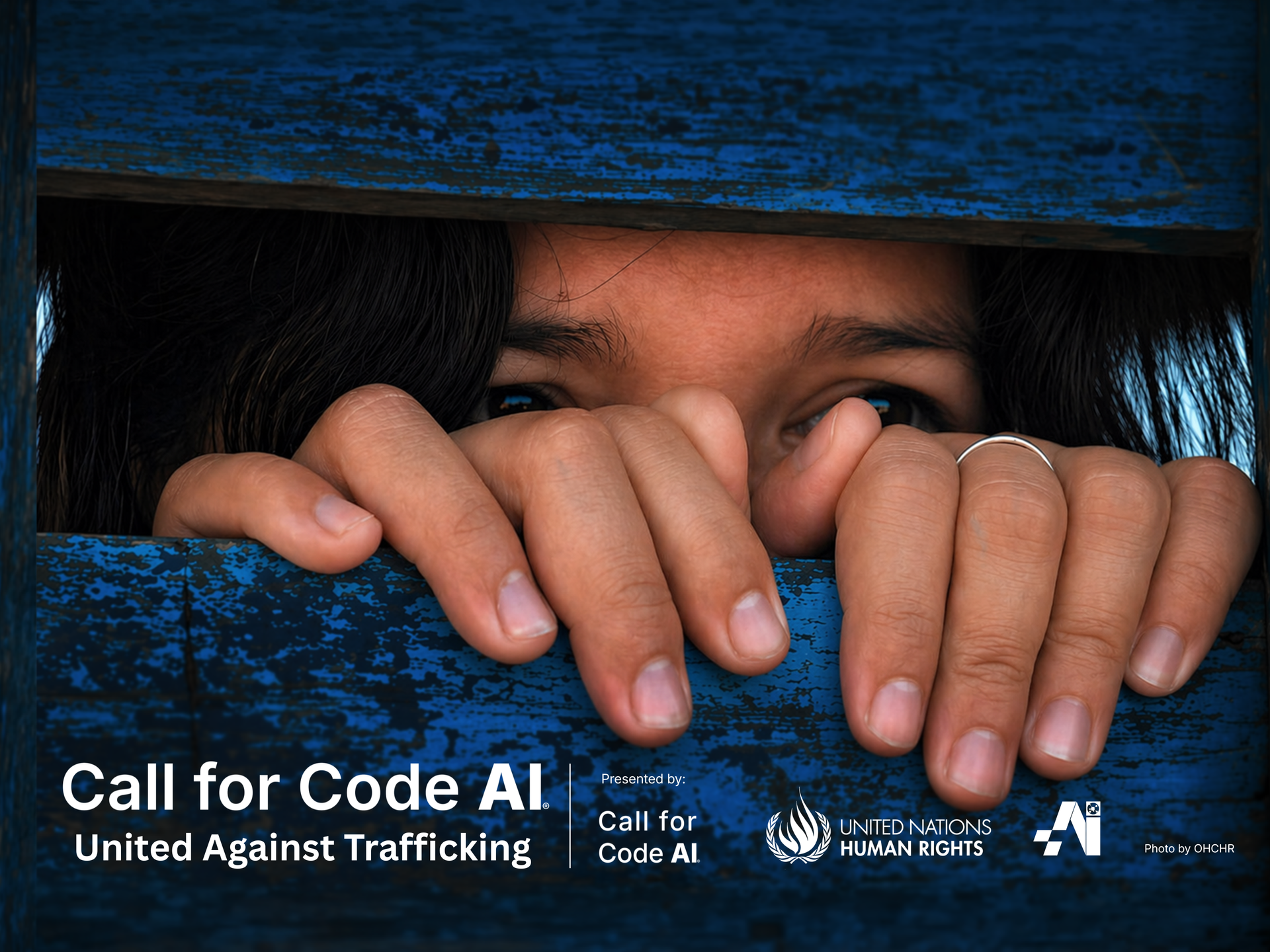
The innovations, TEND, Sentinel AI and TRACE, were developed following a global July 30 call by the Office of the United Nations High Commissioner for Human Rights (OHCHR), which challenged innovators to utilize AI to combat trafficking.
July 30 marks the UN World Day Against Trafficking in Persons, coinciding with the centenary of the 1926 Slavery Convention, the first international commitment to abolish slavery in all its forms.
“A century later, an estimated 49.6 million people are living in forced labour or forced marriage on any given day. Women and girls account for more than 70 per cent of detected victims. Children account for one in three,” data from OHCHR notes.
The initiative sought to repurpose tools such as online forums, social media platforms and websites, often used to recruit, advertise and sell people, to fight back against trafficking.
OHCHR identified three persistent gaps in tackling the crime: communities not being reached before fraudulent job offers arrive, victims not being identified early enough, and survivors receiving too little support once found. Each of the top three innovations was designed to address one of these gaps.
The Office said developers, researchers and designers from dozens of countries across six continents answered the call. Their work was assessed by a panel of judges drawn from law enforcement, survivor services, human rights law, AI engineering and UN Human Rights.
The winning innovation was Project TEND by Petula Miller, a free, anonymous web application that helps survivors prepare emotionally and practically for court in English or Spanish, without requiring a name, email or phone number, thus increasing their chances of getting justice.
Accessible from any web browser, the app has the potential to support survivors worldwide, helping them seek justice with dignity and confidence. It is designed to help survivors find the strength to testify in court, often one of the most difficult steps in recovery.
The second innovation was Sentinel AI, created by Remi Pelta. Sentinel AI is designed for job platforms, NGOs and investigators to stop trafficking before it begins by protecting vulnerable people before they become victims.
Since trafficking often starts with fraudulent job offers, the app analyses suspicious recruitment advertisements, identifying warning signs such as fake accounts, recycled images and deceptive claims.
In third place was TRACE, created by Elke‑Esmeralda Dikoume. TRACE provides frontline workers with an AI assistant that transforms spoken or written notes into structured case records in five languages, even without an internet connection.
By helping identify survivors faster and more consistently, it connects more people to protection, support and recovery. The app is premised on the fact that the first conversation with a potential trafficking survivor can determine whether they are identified, protected or overlooked.
OHCHR said the ‘Call for Code AI: United Against Trafficking’ is now an annual initiative, with the next challenge slated to open in April 2027.